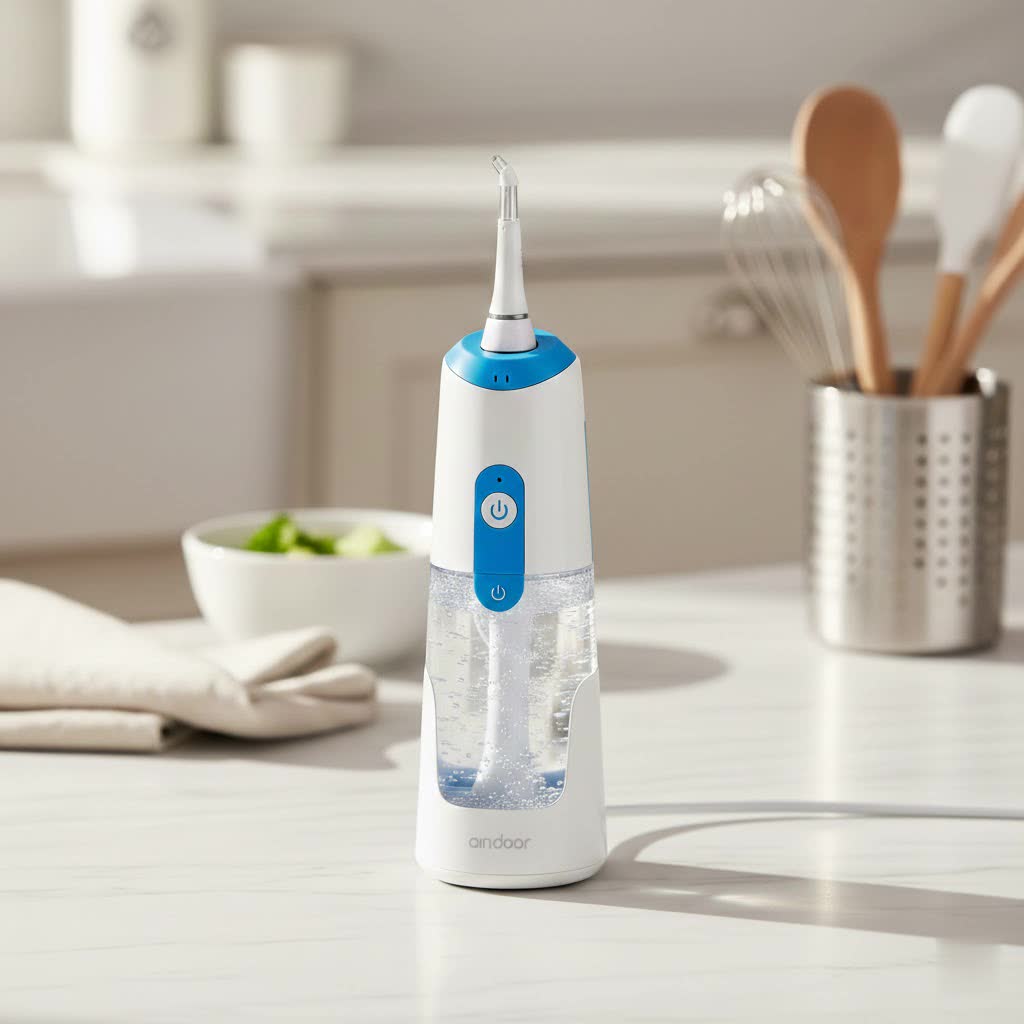
Maintaining optimal oral hygiene goes beyond just brushing. While string flossing plays a role, a handheld water flosser offers a modern, effective, and often more comfortable way to achieve a truly clean mouth. These portable powerhouses use a targeted stream of water to dislodge food particles, plaque, and bacteria from areas your toothbrush and even traditional floss can miss, leading to healthier gums and a brighter smile.
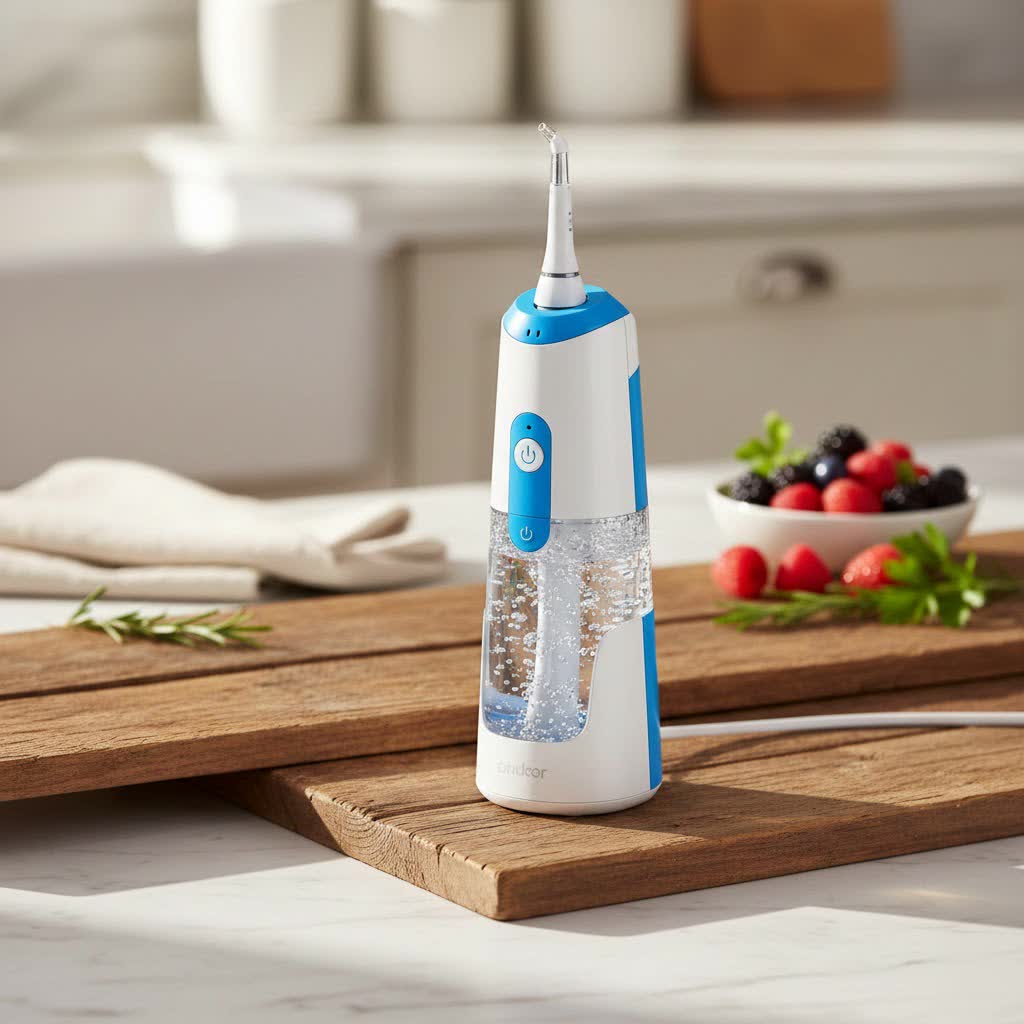
As an admin with over a decade of experience in oral care, especially with water flossers, I’ve seen firsthand how these devices can transform daily routines. In this comprehensive guide, we’ll dive deep into what makes a great handheld water flosser, compare top models, and provide all the insights you need to choose the perfect one for your dental health journey.
What is a Water Flosser? Why You Need It?
A water flosser, often known as an oral irrigator or dental water jet, is an innovative oral hygiene device designed to clean between your teeth and along the gumline. Instead of a string, it employs a motor and pump to deliver a pressurized, pulsating stream of water from a reservoir through a specialized tip directly into your mouth. This targeted water stream effectively flushes out debris and plaque buildup that brushing alone can’t reach.
The benefits extend far beyond simple cleaning. Water flossers are clinically proven to remove plaque and significantly reduce the risk of gum disease, gingivitis, inflammation, and bleeding. They are particularly beneficial for individuals with braces, dental implants, crowns, or bridges, as the water stream can navigate around complex dental work more easily than traditional floss. Moreover, many find water flossing a gentler alternative, making it ideal for those with sensitive gums or anyone who struggles with the dexterity required for string flossing. Beyond cleaning, the pulsating action also provides a soothing gum massage, stimulating blood flow and promoting overall gum health.
Handheld vs. Countertop Water Flossers: Which is Right for You?
When exploring water flossers, you’ll primarily encounter two types: handheld (cordless/portable) and countertop models. Both aim to improve your oral hygiene, but they cater to different lifestyles and needs. Understanding their distinctions is crucial for making an informed choice.
Handheld Water Flossers: Freedom and Flexibility
Handheld water flossers are the epitome of convenience and portability. Battery-powered or USB-rechargeable, they are designed for on-the-go use and minimalist bathrooms.
- Pros: Their compact and lightweight design makes them incredibly travel-friendly, easily fitting into luggage or a gym bag. Many models are fully waterproof, allowing for mess-free use in the shower. They take up minimal counter space, making them ideal for smaller bathrooms or anyone who prefers a clutter-free environment.
- Cons: The primary trade-off is their smaller water reservoir, typically offering 30-45 seconds of flossing time per fill, which may necessitate refilling mid-session. While effective, their water pressure is generally less powerful and consistent than that of countertop units. Battery life also requires regular recharging, a factor to consider for consistent use.
Countertop Water Flossers: Power and Performance
Countertop water flossers are the workhorses of oral irrigation, built for maximum performance and a comprehensive cleaning experience.
- Pros: These units plug directly into an electrical outlet, providing consistent, strong water pressure that won’t fade during use. They feature larger water reservoirs, often holding enough water for 90-120 seconds of continuous flossing, eliminating the need for refills during a single session. Countertop models usually offer a wider range of pressure settings and a greater variety of specialized tips, making them versatile for multiple users or specific dental needs like deep gum pocket cleaning.
- Cons: Their larger footprint demands dedicated counter space, and their wired design limits portability. They are also generally louder during operation than their cordless counterparts.
Making Your Choice
The “better” choice ultimately depends on your priorities. If convenience, portability, and space-saving are paramount, a handheld water flosser is an excellent solution. It’s perfect for travelers, those with smaller bathrooms, or as a supplementary device. However, if you prioritize maximum cleaning power, extended flossing sessions without refilling, and advanced features for specific dental conditions, a countertop model might be more suitable. Some individuals even opt for both – a countertop unit for home and a handheld for travel or quick touch-ups.
How to Choose the Right Handheld Water Flosser
Selecting the ideal handheld water flosser requires considering several key features to match your specific oral hygiene needs and lifestyle. Here’s a breakdown of what to look for:
Key Factors to Consider
- Water Pressure Settings: Look for models with adjustable pressure settings. Starting with a lower pressure and gradually increasing it allows your gums to adapt, preventing discomfort. This is especially important for those with sensitive gums or new users.
- Reservoir Capacity: Handheld flossers inherently have smaller reservoirs than countertop models. Consider how often you’re willing to refill during a single flossing session. A larger capacity (e.g., 150ml or 5-7 ounces) can often provide a full minute or more of continuous use.
- Nozzle Variety: While most handhelds come with standard jet tips, some offer specialized tips for braces, periodontal pockets, or plaque removal. If you have specific dental work or conditions, ensure the model you choose offers compatible tip options. A 360-degree rotating nozzle enhances maneuverability and makes reaching all areas easier.
- Battery Life & Charging: Cordless convenience relies on robust battery performance. Look for models with long-lasting batteries (e.g., lasting weeks on a single charge) and convenient charging methods, such as USB-C, which is ideal for travel.
- Waterproof Design: An IPX7 or IPX8 waterproof rating means the device can be safely used in the shower, simplifying your routine and making cleanup a breeze.
- Ergonomics & Ease of Use: A comfortable, well-balanced handle is essential for precise maneuverability, especially when reaching back teeth. Easy-to-fill reservoirs, intuitive controls, and simple tip attachment mechanisms contribute to a more pleasant user experience.
- Brand Reputation: Established brands like Waterpik, Philips Sonicare, and Aquasonic often offer reliable performance, better warranties, and readily available replacement parts and tips.
Comparative Overview of Top Handheld Water Flossers
Here’s a comparison of some highly-rated handheld water flossers, highlighting their key specifications:
| Feature | Waterpik Cordless Advanced 2.0 | Aquasonic Aqua Flosser | Quip Rechargeable Cordless |
|---|---|---|---|
| Water Pressure | 3 settings | 3 settings (Normal, Soft, Pulse) | 2 settings (Gentle, Deep Clean) |
| Reservoir Size | 7 oz (207 mL) | 150 mL (5 oz) | 150 mL (5 oz) |
| Tips Included | 4 | 4 | 1 |
| Battery Life | Good (rechargeable) | Weeks | Good (USB charging base) |
| Portability | Excellent (travel pouch) | Excellent (travel pouch) | Excellent |
| Waterproof | Yes (shower-safe) | Yes (shower-safe) | Yes |
| Extra Features | Ergonomic design, quiet | 2-minute timer, 360-degree nozzle | Magnetic charging, sleek design |
| Price Range | Mid-range | Budget-friendly | Mid-range |
Top Handheld Water Flossers for a Healthier Smile
After rigorous testing and expert review, several handheld water flossers consistently stand out for their effectiveness, user-friendliness, and innovative features. Here are some of the best choices available today:
1. Waterpik Cordless Advanced 2.0 Water Flosser
The Waterpik Cordless Advanced 2.0 is often hailed as a top contender for its blend of ergonomic design and robust features, making it ideal for both travel and daily use.
- Pros: This model boasts an ergonomic design that’s comfortable to hold and maneuver. It’s fully waterproof, allowing for convenient use in the shower. Users appreciate its ease of filling and overall user-friendliness, especially beginners. It often comes with a travel pouch and multiple tips, offering versatility.
- Cons: While effective, it typically offers three pressure settings, which might be fewer than some prefer. Its 7-ounce reservoir provides a good session length but may require a refill for an exceptionally thorough clean.
2. Aquasonic Aqua Flosser
The Aquasonic Aqua Flosser consistently receives high marks for its performance at a budget-friendly price point, offering surprising features for its category.
- Pros: Testers praise its excellent ergonomics, with a comfortable curved handle and an easy-to-use on/off switch for quick mode changes. It features three effective pressure modes, including a pulse setting that excels at dislodging debris. Its 150ml tank is notably generous for a cordless unit, often allowing a full cleaning session without a refill. A rechargeable lithium-ion battery, waterproof design, built-in two-minute timer, and 360-degree rotary nozzle further enhance its appeal.
- Cons: With only three pressure settings, advanced users seeking more granular control might find it limited.
3. Quip Rechargeable Cordless Water Flosser
Designed with a focus on simplicity and sleek aesthetics, the Quip Rechargeable Cordless Water Flosser delivers effective cleaning in a compact package, making it an excellent travel companion.
- Pros: This flosser is highly effective at removing plaque and debris, leaving teeth feeling clean and smooth. Its compact size, comfortable grip, and rotating tip make it easy to maneuver around the mouth. The USB charging base allows for upright charging, perfect for small bathrooms or while traveling.
- Cons: It offers only two pressure settings (gentle and deep clean) and comes with a single nozzle. While convenient, the need for replacement nozzles every three months adds to the long-term cost. It can also be slightly bulkier than some ultra-compact options.
Choosing Your Champion
- For Beginners & General Use: The Waterpik Cordless Advanced 2.0 or Aquasonic Aqua Flosser are excellent choices due to their ease of use and effective cleaning.
- For Budget-Conscious Buyers: The Aquasonic Aqua Flosser offers exceptional value with strong performance and features.
- For Frequent Travelers & Minimalists: The Quip Rechargeable Cordless Water Flosser shines with its ultra-portable design and USB charging.
How to Use Your Handheld Water Flosser Correctly
Using a handheld water flosser effectively is simple, but following proper technique ensures you maximize its benefits and avoid gum irritation. Here’s a step-by-step guide:
- Fill the Reservoir: Detach the water reservoir and fill it with lukewarm water. You can also add a non-alcoholic mouthwash for an extra refreshing boost, but always check your device’s instructions.
- Attach the Tip: Securely attach the desired flosser tip to the handle. Ensure it clicks into place.
- Adjust Pressure Settings: If your device has adjustable settings, start on the lowest pressure setting. You can gradually increase it to a comfortable yet effective level as your gums become accustomed to the sensation. Too high a pressure can cause sensitivity or bleeding.
- Position Yourself: Lean over a sink to allow water to drain freely, minimizing mess. Keep your mouth slightly open but your lips mostly closed around the tip to prevent splashing.
- Begin Flossing: Place the tip of the water flosser inside your mouth, aiming it at your gumline at a 90-degree angle. Start at the back of your mouth, working your way around, focusing on the spaces between your teeth and along the gumline.
- Clean Each Tooth: Glide the tip slowly along the gumline and pause briefly between each tooth, allowing the water to effectively flush out debris. Trace the natural curve of your teeth and gums.
- Spit as Needed: Periodically pause to spit out excess water and dislodged particles into the sink.
- Complete the Process: Continue until you have cleaned all areas of your mouth, including both the front and back of your teeth. Most sessions last about one to two minutes.
- Rinse and Store: After each use, empty any remaining water from the reservoir and rinse it thoroughly to prevent bacterial growth. Clean the main unit as per the manufacturer’s instructions and store your flosser and tips in a clean, dry place.
Aim to incorporate water flossing into your daily oral hygiene routine, ideally once a day after brushing, for the best results.
Where to Buy Handheld Water Flossers? Price Considerations
Finding the perfect handheld water flosser is easier than ever, with a wide array of options available both online and in physical stores. The price can vary significantly depending on the brand, features, and model.
Buying Channels
- Online Retailers: Major e-commerce platforms like Amazon, Walmart.com, and Target.com offer the widest selection, competitive pricing, and often user reviews that can help with your decision. Direct brand websites (e.g., Waterpik.com, Quip.com) are also excellent sources, sometimes offering exclusive deals or bundles.
- Physical Stores: You can find handheld water flossers at drugstores (like CVS, Walgreens), electronics retailers (Best Buy), and general merchandise stores (Walmart, Target). Buying in-store allows you to physically examine the device and ask sales associates questions.
Price Ranges and Tips for Savings
Handheld water flossers generally fall into three price categories:
- Budget-Friendly ($40 – $60): These models are great for beginners or those seeking basic, effective cleaning without many frills. Brands like Aquasonic and some entry-level Waterpik Cordless Express models often fit this range.
- Mid-Range ($60 – $90): This category offers a good balance of features, performance, and durability. The Waterpik Cordless Advanced 2.0 and Quip Rechargeable Cordless typically fall here, providing more pressure settings, better battery life, and enhanced ergonomics.
- Premium ($90+): While less common for strictly handheld units, some advanced models with extensive features, superior battery technology, or combined functionalities might reach this price point.
Tips for Saving:
- Look for Sales: Major shopping holidays (Black Friday, Prime Day) and seasonal sales are excellent times to find discounts.
- Bundles: Some brands offer bundles that include extra tips or travel accessories at a reduced combined price.
- Check for Coupons: Online retailers and brand websites often have digital coupons or promotional codes.
Cleaning and Maintaining Your Handheld Water Flosser
Proper cleaning and maintenance are vital to ensure the longevity and hygienic operation of your handheld water flosser. Neglecting these steps can lead to mineral buildup, bacterial growth, and reduced performance.
Daily Cleaning
- Empty and Rinse Reservoir: After each use, always empty any remaining water from the reservoir. Rinse it thoroughly with clean water to prevent stagnant water and bacterial accumulation. Allow it to air dry before reattaching or refilling.
- Rinse the Tip: Remove the flosser tip and rinse it under running water. Store it in a clean, dry place, or in a designated compartment if your device has one.
Weekly / Bi-Weekly Cleaning
- Clean the Handle and Exterior: Wipe down the handle and exterior of the device with a damp cloth. You can use a mild soap solution for a more thorough clean, ensuring no moisture seeps into electronic components.
- Descaling (Mineral Buildup Removal): If you live in an area with hard water, mineral deposits can accumulate in the internal components.
- Fill the reservoir with a mixture of one part white vinegar and two parts warm water.
- Run the solution through the flosser until half the reservoir is empty.
- Pause for 20-30 minutes, then run the remaining solution through until the reservoir is empty.
- Finally, flush the unit by running a full reservoir of clean warm water through it. This helps remove any vinegar residue.
Regular Tip Replacement
- Replace Tips: Flosser tips should be replaced every 3 to 6 months, or sooner if they become damaged or worn. Over time, tips can lose their effectiveness and harbor bacteria. Check your manufacturer’s recommendations for specific replacement schedules.
Troubleshooting Common Issues
- Reduced Water Pressure: Often caused by mineral buildup. Perform a descaling procedure.
- Leaking: Ensure all components, especially the reservoir, are securely attached and that O-rings are intact and not damaged.
- Battery Not Holding Charge: If the battery life significantly diminishes, it might be time for a replacement if the model allows, or consider a new unit.
By adhering to these simple cleaning and maintenance practices, you can ensure your handheld water flosser remains a reliable and effective tool for a healthy, radiant smile.
Handheld Water Flosser Buying Guide
Navigating the various options can be overwhelming, but by focusing on your budget and personal needs, you can narrow down the choices and find your ideal handheld water flosser.
Budget Considerations
- Budget-Friendly (Under $60): These flossers offer essential functionality and are great entry points into water flossing. They typically have fewer pressure settings and simpler designs but can still be highly effective. The Aquasonic Aqua Flosser is a strong contender in this category, offering solid performance for its price.
- Mid-Range ($60 – $90): This segment provides a balance of performance, features, and durability. You’ll find models with better battery life, more robust builds, and often a few extra pressure settings or tips. The Waterpik Cordless Advanced 2.0 and Quip Rechargeable Cordless are excellent examples of the value found here.
- Premium ($90+): While fewer strictly handheld models fall into this category, some may feature advanced technology, superior materials, or smart functionalities. These are often chosen by users seeking the absolute best performance and a rich feature set, where budget is less of a concern.
Tailoring to Your Personal Needs
- For Beginners: Opt for a model that is straightforward to operate with intuitive controls and comfortable ergonomics. Waterpik Cordless Express or Aquasonic Aqua Flosser are good starting points, offering gentle pressure settings to ease you into water flossing.
- For Individuals with Braces or Dental Work: Look for flossers that offer specific orthodontic tips or a 360-degree rotating nozzle for better access around brackets and wires. Strong but adjustable pressure is key to dislodging food without damaging dental work.
- For Sensitive Gums: Prioritize models with multiple, gentle pressure settings. The ability to start at a very low intensity and gradually increase it is crucial to avoid discomfort. The pulsating action of water flossers is generally gentler than string floss.
- For Frequent Travelers: Compactness, a lightweight design, and long-lasting, easily rechargeable batteries (ideally USB-C) are essential. The Quip Rechargeable Cordless Water Flosser is a prime example of a travel-friendly option. A waterproof design is also a bonus for shower use in different environments.
- For Small Bathrooms: Handheld flossers are inherently space-saving. Choose one with a minimalist design and an integrated reservoir that tucks away easily.
By carefully considering both your financial comfort zone and your unique dental requirements, you can confidently select a handheld water flosser that will seamlessly integrate into your routine and significantly boost your oral health.
Conclusion
Embracing a handheld water flosser is a significant step towards a healthier, more confident smile. These portable yet powerful devices offer a superior way to remove plaque, reduce gum disease, and ensure every crevice of your mouth feels fresh and clean. With their undeniable convenience for travel, compact design for small spaces, and gentler approach for sensitive gums or dental work, a handheld water flosser proves to be an indispensable tool in modern oral care.
Whether you’re a beginner seeking an easy entry into water flossing, a frequent traveler needing a compact solution, or someone with braces requiring specialized care, there’s a perfect handheld water flosser waiting for you. By considering factors like water pressure, reservoir capacity, and ergonomic design, you can find a device that not only meets but exceeds your expectations for daily oral hygiene.
Isn’t it time to upgrade your dental routine and unlock the full potential of your smile?