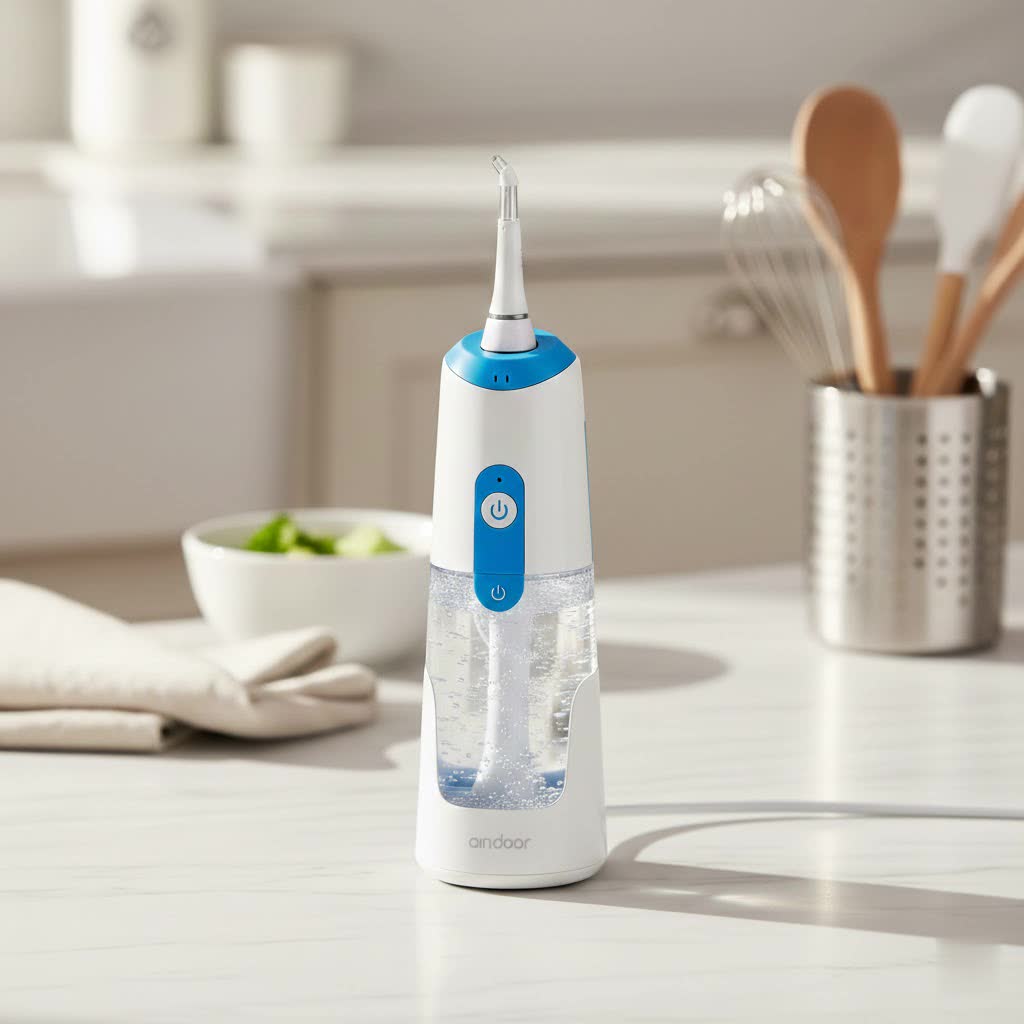
Have you ever wondered if your daily brushing routine is truly enough to keep your smile healthy? While brushing is fundamental, it often misses the critical spaces between your teeth and beneath the gumline where plaque and food particles thrive. This is where a Water Flosser steps in—a sophisticated oral hygiene tool designed to elevate your dental care to a new level. In this comprehensive guide, we’ll explore everything you need to know about water flossers, from understanding their powerful mechanism to selecting the perfect model for your unique needs, ensuring you achieve and maintain a truly healthy, radiant smile.
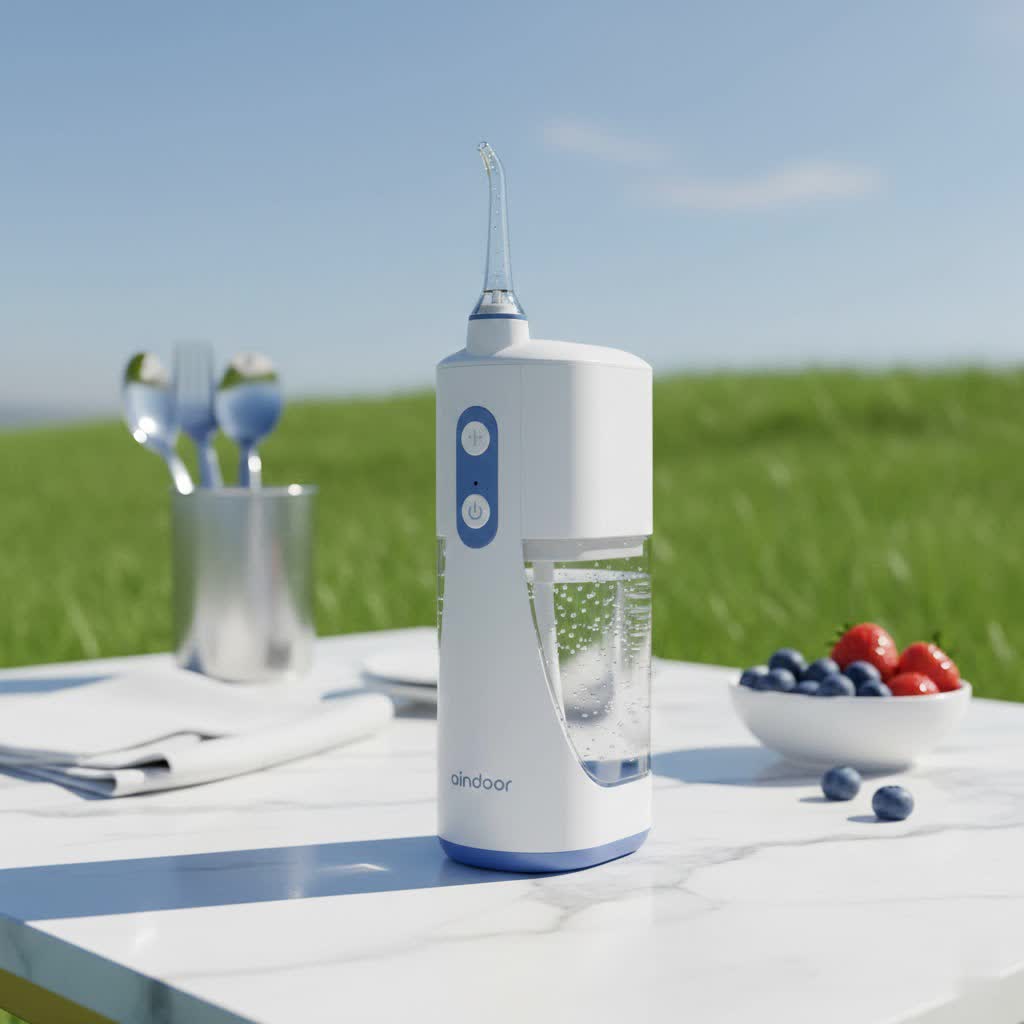
Water Flosser: A Comprehensive Oral Care Solution
A water flosser, also known as an oral irrigator or dental water jet, is an innovative device that uses a targeted stream of pulsating water to clean your teeth and gums. Its mechanism involves a small pump that creates a pressurized flow of water, dislodging food debris, plaque, and bacteria from areas your toothbrush can’t reach effectively. This technology offers a deep clean that goes beyond what traditional brushing and string flossing alone can achieve.
The benefits of incorporating a water flosser into your routine are remarkable. Compared to manual brushing and even string flossing, water flossers are highly effective at removing plaque, significantly reducing gum bleeding, and alleviating gingivitis. Scientific studies have shown water flossers to be more effective at reducing plaque, bleeding, and gingivitis than string floss alone. For instance, research indicates that adding a Waterpik™ water flosser to a brushing routine can be up to 93% better at reducing bleeding and 52% better at reducing gingivitis than traditional dental floss. They are particularly beneficial for cleaning around orthodontic appliances like braces, dental implants, crowns, and bridges, as the water jet can easily navigate these complex structures without snagging or damage. Moreover, individuals with sensitive gums often find water flossing to be a gentler and more comfortable alternative to traditional string floss. While some dental professionals recommend a combined approach for optimal results, many emphasize the water flosser as an invaluable adjunct for superior oral hygiene, especially in hard-to-reach areas and for those with specific dental considerations.
Exploring Water Flosser Types
Water flossers come in various designs, each offering distinct advantages and catering to different lifestyles. Understanding the primary types will help you narrow down the best choice for your personal dental care regimen.
Cordless/Portable Water Flossers
Cordless water flossers are designed for ultimate convenience and flexibility. They are typically battery-operated, compact, and lightweight, making them ideal for travel or for those with limited bathroom counter space. Many cordless models are also waterproof, allowing for use in the shower.
- Pros: Highly portable, excellent for travel, takes up minimal counter space, often shower-safe, great for on-the-go cleaning.
- Cons: Generally have smaller water reservoirs, requiring more frequent refills during a single cleaning session. May have slightly less powerful pressure settings compared to some countertop models.
- Ideal Users: Frequent travelers, individuals with small bathrooms, those new to water flossing who want an easy-to-handle device, or anyone needing a quick, convenient option.
Countertop Water Flossers
Countertop water flossers are typically larger, plug into an electrical outlet, and feature a more substantial water reservoir and often a wider range of pressure settings.
- Pros: Large water tank capacity for uninterrupted flossing, wider range of pressure settings, consistent power output, often come with a variety of specialized tips. Generally more powerful for a deeper clean.
- Cons: Less portable due to size and power cord, takes up more counter space.
- Ideal Users: Families, individuals requiring extensive cleaning, those with specific dental needs (like periodontal pockets or extensive dental work) that benefit from higher pressure and varied tips, and anyone who prefers a robust, feature-rich device for home use.
Choosing between these two types often comes down to your primary needs: do you prioritize portability and space-saving, or do you need maximum power, capacity, and versatility for comprehensive home use?
Your Essential Guide to Choosing a Water Flosser
Selecting the right water flosser can significantly impact your oral hygiene routine. With numerous models and features available, considering these key factors will help you make an informed decision tailored to your specific needs.
Key Factors to Consider
- Water Pressure and Settings: The ability to adjust water pressure is crucial for comfort and effectiveness. Look for models with a broad range of settings, typically from 10-100 PSI, allowing you to start gentle (ideal for sensitive gums or beginners) and gradually increase for a deeper clean as you become accustomed to it. Too much pressure can cause discomfort, while too little may not be effective.
- Water Tank Capacity: This determines how long you can floss without refilling.
- Small tanks (150-250ml): Common in cordless models, suitable for travel but may require mid-session refills.
- Medium tanks (300-450ml): Offer a balance of portability and capacity.
- Large tanks (500ml+): Found in countertop models, providing ample water for a full, uninterrupted cleaning session, ideal for families.
- Nozzles/Tips: Different tips cater to various dental needs.
- Standard Jet Tip: For general cleaning between teeth and along the gumline.
- Orthodontic Tip: Designed with a brush to clean around braces and wires.
- Plaque Seeker™ Tip: Features three thin tufts of bristles to target plaque around implants, crowns, bridges, and other dental work.
- Pik Pocket™ Tip (Periodontal Tip): A soft rubber tip for gently delivering water into periodontal pockets.
- Tongue Cleaner Tip: For freshening breath.
- Ensure the model you choose offers the tips relevant to your oral health requirements.
- Battery Life and Power Options: Corded countertop models offer consistent power without needing a recharge. Rechargeable cordless models provide portability, with battery life typically ranging from 7 days to up to 4 weeks on a single charge. Look for convenient charging methods, such as USB compatibility, for easy travel.
- Portability and Ergonomics: If you plan to travel, a compact, lightweight cordless model is essential. For all types, a comfortable, ergonomic handle and a 360-degree rotating nozzle are important for reaching all areas of your mouth, including back teeth, with ease.
- Additional Features:
- Timers: Some models include built-in timers (often 1 or 2 minutes) to ensure you floss for the recommended duration.
- Massage Modes: Offer gum stimulation for improved circulation.
- Auto Shut-Off: A safety and energy-saving feature.
- Noise Level: Consider quieter models if noise is a concern.
Comparison Table of Top Water Flossers
Here’s a comparison of some leading water flosser models, offering a snapshot of their key features and ideal uses.
| Model | Type | Pressure Settings | Tank Capacity | Special Tips | Best For | Pros | Cons |
|---|---|---|---|---|---|---|---|
| Waterpik Aquarius | Countertop | 10 (10-100 PSI) | 22 oz (650 ml) | 7 total (Ortho, Plaque, Perio) | Overall, Braces, Sensitive Gums, Families | ADA accepted, large reservoir, multiple tips, massage mode | Corded, takes up counter space |
| Waterpik Cordless Advanced | Cordless | 3 | 7 oz (207 ml) | 4 total | Travel, Small bathrooms, Beginners | Portable, magnetic charger, quiet, ergonomic | Smaller tank, battery maintenance |
| Philips Sonicare Power Flosser 3000 | Cordless | 3 intensity levels | 8.5 oz (250 ml) | Quad Stream Tip, standard | Range of settings, Deep Clean, Portability | Quad Stream for wider coverage, quiet design, USB charging | Slightly gentler pressure, smaller tank |
| Quip Rechargeable Cordless | Cordless | 2 | ~5 oz (150 ml) | 1 (360º rotating) | Basic, Sleek design, Travel | Compact, simple, good for beginners, quiet | Minimal tips, small tank |
| Oral-B Water Flosser Advanced | Cordless | 3 | ~5 oz (150 ml) | Standard, Sensitive | Sensitive teeth/gums, On-demand control | Gentle, easy to use, on-demand button for control | Small reservoir, may lack high pressure |
This table provides a starting point; always check the latest product specifications and user reviews for the most up-to-date information.
Top Water Flosser Brands and Products Favored Today
In the evolving landscape of oral hygiene, several brands consistently stand out for their innovation, effectiveness, and user satisfaction. Here are some of the most highly-rated water flossers available, offering solutions for a diverse range of needs.
Waterpik Aquarius Water Flosser (WP-660)
The Waterpik Aquarius is frequently hailed as the best overall water flosser, earning praise for its user-friendly design and powerful performance. It holds the ADA Seal of Acceptance, signifying its effectiveness in reducing gingivitis and plaque.
- Key Features: 10 pressure settings (10-100 PSI), 22-ounce water reservoir for 90+ seconds of flossing, massage mode for gum stimulation, and seven specialty tips including orthodontic, plaque seeker, and periodontal tips.
- Pros: Exceptional cleaning power, highly versatile for various dental conditions, large capacity, and dentist-recommended.
- Cons: Countertop design requires dedicated space and is not travel-friendly.
- Ideal User: Anyone seeking a robust, reliable, and versatile water flosser for comprehensive home oral care, especially those with braces, implants, or sensitive gums who appreciate customizable settings.
Waterpik Cordless Advanced Water Flosser (WP-560/562/563/565)
For those who prioritize portability without sacrificing performance, the Waterpik Cordless Advanced series is a top contender. Its waterproof design makes it perfect for use in the shower.
- Key Features: 3 pressure settings, a compact 7-ounce water reservoir, and 4 tips. It features a rapid magnetic charger and a travel bag.
- Pros: Excellent for travel and small bathrooms, convenient cordless operation, quiet, and effective.
- Cons: Smaller reservoir means more frequent refills, and battery maintenance is required.
- Ideal User: Travelers, individuals with limited counter space, or those who prefer the convenience of flossing in the shower.
Philips Sonicare Cordless Power Flosser 3000
This model from Philips Sonicare offers a strong combination of effectiveness and thoughtful design, known for its gentle yet thorough cleaning.
- Key Features: Two flossing modes (Clean and Deep Clean) with three intensity levels, Quad Stream technology for wider coverage between teeth, and a 8.5-ounce reservoir. USB-C charging for convenience.
- Pros: Quiet operation, ergonomic design, effective at removing plaque and improving gum health, good for a range of sensitivities.
- Cons: The “Deep Clean” setting might feel less powerful than some Waterpik models to users accustomed to higher pressure.
- Ideal User: Those with sensitive gums, individuals looking for a quiet and well-designed cordless option, or anyone already integrated into the Philips Sonicare ecosystem.
Soocas Neos II (Sonic Toothbrush with Built-in Water Flosser)
Representing a newer innovation, the Soocas Neos II combines two essential oral care tools into one, streamlining the routine.
- Key Features: Integrates a sonic toothbrush with a 50ml water reservoir for flossing during or immediately after brushing, IPX8 waterproof rating, multiple cleaning modes and intensity levels.
- Pros: All-in-one convenience, space-saving, excellent for maintaining a consistent routine, long battery life (over 30 days).
- Cons: Small water tank, not as powerful as dedicated water flossers, limited tip variety.
- Ideal User: Individuals looking to simplify their oral care routine, those with limited space, or travelers who want a dual-function device.
Each of these top models offers distinct advantages. Your ideal choice will depend on a careful assessment of your budget, lifestyle, and specific dental needs.
Mastering Your Water Flosser: Step-by-Step Usage Guide
Using a water flosser correctly is key to maximizing its benefits and ensuring a comfortable, effective cleaning experience. Follow these steps to integrate it seamlessly into your daily routine:
- Fill the Reservoir: Detach the water reservoir and fill it with lukewarm water. You can also add a dentist-recommended mouthwash for an extra boost of freshness and antimicrobial benefits, but always rinse with plain water afterward to prevent mineral buildup.
- Select Your Tip: Choose the appropriate flosser tip for your needs (e.g., standard, orthodontic, periodontal) and firmly insert it into the handle until it clicks.
- Adjust Pressure: If you’re new to water flossing or have sensitive gums, start with the lowest pressure setting. You can gradually increase the pressure as your gums become accustomed to the sensation.
- Lean Over the Sink: To minimize splashing, lean over the sink, place the flosser tip into your mouth, and close your lips just enough to prevent water from spraying out while still allowing water to flow into the sink.
- Target and Clean: Turn on the device. Aim the water jet at your gumline, at a 90-degree angle to your teeth. Guide the tip along your gumline, pausing briefly between each tooth, allowing the water to flush out debris. Work your way around all tooth surfaces, including the front, back, and chewing surfaces.
- Empty and Rinse: Once you’ve cleaned all areas of your mouth, turn off the device and empty any remaining water from the reservoir. This helps prevent bacterial growth and mineral deposits.
- Frequency: For optimal oral health, use your water flosser once daily, typically after brushing your teeth.
Important Tip: Always start with the lowest pressure setting and gradually increase it. Avoid blasting your gums with high pressure, as this can cause irritation or damage. Gentle, consistent use is far more effective than aggressive, infrequent flossing.
Where to Buy Your Water Flosser and Price Guide
Investing in a water flosser is a smart step for your oral health, and these devices are readily available through various channels, both online and offline.
Trusted Purchasing Channels
- Online Retailers: E-commerce giants like Amazon, Walmart, and Target offer a vast selection of water flossers from all major brands, often with competitive pricing and customer reviews.
- Brand Websites: Direct purchases from manufacturers such as Waterpik, Philips Sonicare, and Oral-B websites can provide access to exclusive bundles, warranties, and direct customer support.
- Electronics Stores: Retailers specializing in electronics, such as Best Buy, may carry a range of water flossers, especially higher-end or combined electric toothbrush models.
- Pharmacies and Drugstores: Local pharmacies like CVS or Walgreens often stock popular cordless and countertop models.
- Dental Supply Stores: While primarily for professionals, some dental supply retailers may also offer consumer-grade water flossers.
Understanding Water Flosser Price Ranges
The price of a water flosser can vary significantly based on brand, type (cordless vs. countertop), features, and included accessories.
- Budget-Friendly Water Flossers ($30 – $50): These are typically basic cordless models or entry-level countertop units with fewer features and pressure settings. They are a good starting point for beginners or those with simple flossing needs.
- Mid-Range Water Flossers ($50 – $150): This category offers a wide selection of popular cordless models with enhanced battery life, more pressure settings, and a good variety of tips. Many top-rated countertop models also fall into this range, offering a balance of performance and value.
- Premium/High-End Water Flossers ($150+): These devices often boast advanced technology, numerous pressure settings, larger capacities, smart features (like app connectivity or UV sanitizers), and may include combination units with electric toothbrushes. They are designed for users seeking the most comprehensive and technologically advanced oral care experience.
Tips for Saving: Keep an eye out for sales during major shopping events like Black Friday, Cyber Monday, or Prime Day. Subscribing to brand newsletters can also alert you to exclusive discounts. While a higher price often correlates with more features and durability, there are excellent value options across all price points.
Maintaining Your Water Flosser for Longevity
Proper cleaning and maintenance are essential to ensure your water flosser remains hygienic, functions effectively, and lasts for years to come. Neglecting maintenance can lead to mineral buildup, reduced pressure, and even mold growth.
Daily Care
- Empty the Reservoir: After each use, empty any remaining water from the reservoir.
- Air Dry: Leave the reservoir and handle open to air dry completely. This prevents stagnant water and inhibits bacterial growth.
Regular Cleaning (Monthly or Quarterly)
For a deeper clean, perform these steps every 1 to 3 months, or more frequently if you live in an area with hard water:
- Clean the Exterior: Wipe down the outside of the unit with a soft cloth and a mild, non-abrasive cleaning spray.
- Clean the Water Reservoir:
- If your reservoir is dishwasher-safe, place it on the top rack.
- Alternatively, hand wash it with warm, soapy water and a soft brush, ensuring you reach all corners. Rinse thoroughly.
- Descaling Internal Components (Vinegar/Hydrogen Peroxide Flush):
- Mix 2 parts warm water with 1 part white vinegar or hydrogen peroxide.
- Fill the reservoir with this solution.
- Run half of the solution through the flosser until the reservoir is half empty.
- Pause the unit and let it sit for 5 to 7 minutes, allowing the solution to break down mineral deposits.
- Run the remaining solution through the unit until the reservoir is empty.
- Finally, fill the reservoir with plain warm water and run it through completely to rinse out any cleaning solution.
- Clean the Flosser Tip:
- Remove the tip from the handle using the eject button.
- Soak the flosser tip in a container filled with a 2:1 ratio of water to white vinegar or hydrogen peroxide for 5 minutes.
- Rinse the tip thoroughly under warm water.
Tip Replacement
- For maximum effectiveness and hygiene, replace your water flosser tips every 3 to 6 months. Over time, tips can become clogged with mineral deposits or fray, reducing their efficiency. You can usually purchase replacement tips directly from the manufacturer or compatible third-party brands.
By following these simple cleaning and maintenance steps, you can ensure your water flosser consistently delivers a powerful, hygienic clean, contributing to your long-term oral health.
Comprehensive Water Flosser Buying Guide
Navigating the array of water flossers on the market can be daunting, but by focusing on your budget and personal needs, you can easily find the perfect device.
Budget Considerations
- Water Flosser giá rẻ (Budget-Friendly): Options typically under $50 are great for beginners or those on a tight budget. They offer essential flossing functions but might have fewer pressure settings, smaller reservoirs, or a more basic build. The trade-off is often in features and potentially durability, but they provide a solid introduction to water flossing.
- Water Flosser tầm trung (Mid-Range): Ranging from $50 to $150, these models offer the best value. They typically provide a good balance of power, multiple pressure settings, adequate tank capacity, and a selection of specialized tips. This is where most popular and dentist-recommended models fall, delivering robust performance without breaking the bank.
- Water Flosser cao cấp (High-End): Priced above $150, these flossers boast advanced features such as intelligent sensors, app connectivity, UV sanitizers, premium materials, or integrated electric toothbrushes. They are designed for users seeking cutting-edge technology and a truly comprehensive, luxury oral care experience.
Personal Needs Assessment
Consider your unique dental profile and lifestyle when making your choice:
- Water Flosser for Beginners: Look for models with easy-to-use controls, soft pressure settings, and a comfortable grip. Cordless models are often a good starting point due to their maneuverability.
- Water Flosser for Braces: Essential for effective cleaning around wires and brackets. Opt for models that include an orthodontic tip and offer adjustable pressure settings to avoid irritation. The Waterpik Aquarius is a popular choice for braces.
- Water Flosser for Sensitive Gums: Prioritize devices with multiple, gentle pressure settings and soft tips. Starting on the lowest setting is crucial to prevent discomfort.
- Water Flosser for Implants, Crowns, or Bridges: Plaque seeker tips and periodontal tips are invaluable for thoroughly cleaning around restorative dental work. Look for models with varied tip options and the ability to gently cleanse these areas.
- Water Flosser for Travelers: Compact, lightweight, cordless models with long battery life and USB charging capabilities are ideal. Consider those with a small footprint or a travel bag.
- Water Flosser for Limited Dexterity: Water flossers are often easier to use than string floss for individuals with arthritis, carpal tunnel, or other conditions affecting hand dexterity. Ergonomic handles and simple controls are key.
By thoughtfully assessing these factors, you can confidently choose a water flosser that not only meets your budget but also perfectly aligns with your individual oral hygiene needs, paving the way for a healthier, brighter smile.
Conclusion
Embracing a water flosser in your daily routine is more than just a trend; it’s a significant upgrade in your commitment to superior oral health. These powerful devices offer a unique ability to clean deep between teeth and below the gumline, areas often missed by traditional brushing and even string flossing. From dislodging stubborn food particles to significantly reducing plaque, bleeding, and gingivitis, a water flosser is an indispensable tool, particularly for those with braces, implants, or sensitive gums.
Whether you opt for the robust power of a countertop model or the convenient portability of a cordless unit, the key lies in understanding your personal needs and choosing a device with appropriate pressure settings, tank capacity, and specialized tips. Consistent use, combined with proper cleaning and maintenance, will ensure your water flosser remains a reliable ally in achieving and maintaining a healthy, confident smile for years to come. Isn’t it time you experienced the transformative power of a truly comprehensive oral care solution?
Câu Hỏi Thường Gặp
Are water flossers better than string floss?
Many studies suggest water flossers are at least as effective as string floss for removing plaque and often superior for reducing gum bleeding and gingivitis. They excel in hard-to-reach areas, especially for braces or implants. While some dentists recommend using both, water flossers offer a highly effective and often more comfortable alternative, particularly for specific dental conditions.
Can I use mouthwash in my water flosser?
Yes, you can use mouthwash in your water flosser’s reservoir to enhance freshness and provide additional antimicrobial benefits. However, it is crucial to rinse the reservoir and run plain water through the unit after each use with mouthwash to prevent mineral buildup and potential damage to the internal components.
How long should a water flossing session be?
For optimal results, a typical water flossing session should last about one to two minutes, ensuring you thoroughly clean all areas of your mouth. Many water flossers come with built-in timers to help you adhere to this recommended duration, promoting consistent and effective cleaning.
Is a water flosser safe for implants or braces?
Absolutely, water flossers are highly recommended and safe for individuals with dental implants, crowns, bridges, and braces. Unlike string floss, which can be challenging to maneuver around orthodontics and dental work, the pulsating water jet can gently and effectively clean these areas without causing damage or discomfort, significantly reducing plaque and inflammation.
What pressure setting should I use on my water flosser?
It is always recommended to start with the lowest pressure setting, especially if you are new to water flossing or have sensitive gums. Gradually increase the pressure to a level that feels comfortable and effective for you. Too much pressure can cause gum irritation, while an adequate setting ensures optimal cleaning without discomfort.