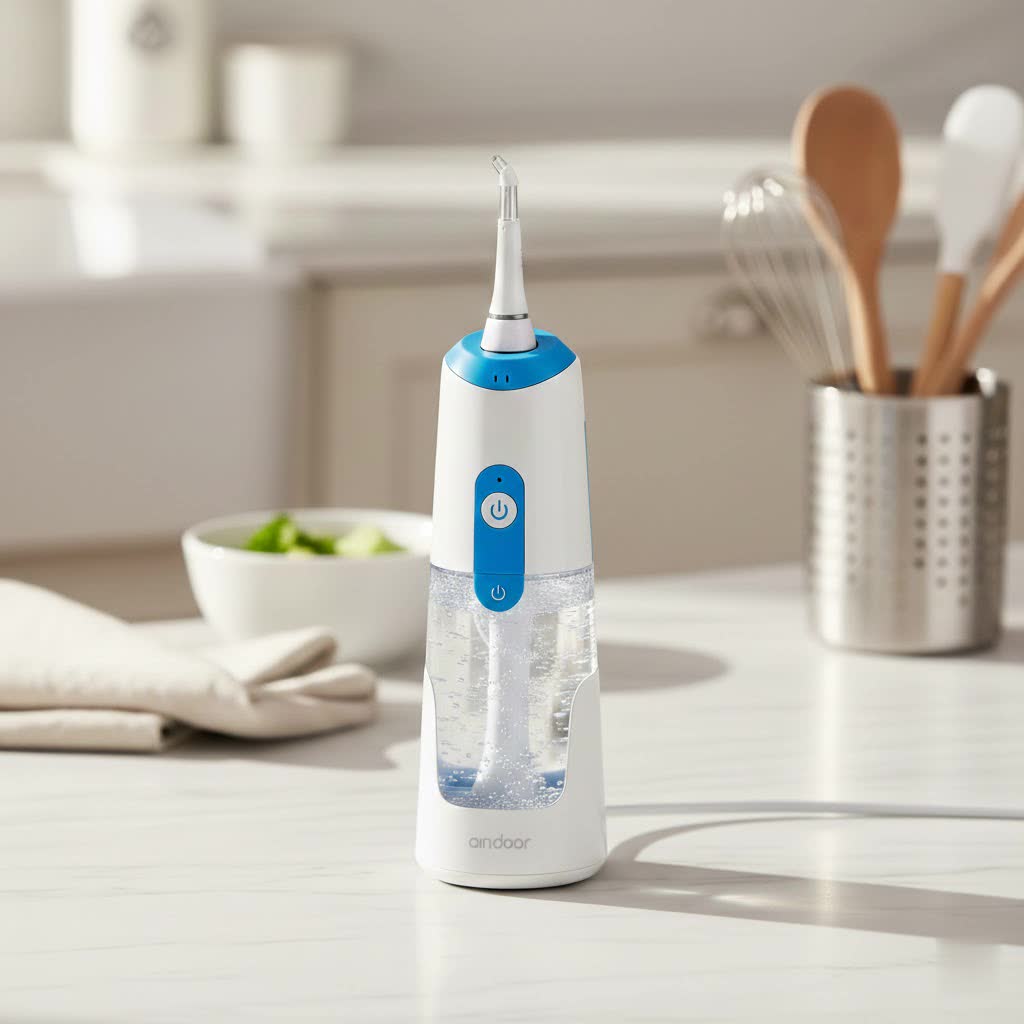
Have you ever wondered if you’re doing enough to keep your smile truly healthy? Brushing is essential, but it often misses the crucial areas between your teeth and below the gumline. This is where a water flosser steps in, offering a modern, highly effective solution to elevate your oral hygiene routine. As a dental technician with over a decade of specialized experience in oral care, particularly with water flossers, I’m here to share comprehensive insights, objective evaluations, and genuine advice to help you discover the perfect device for your needs. Let’s dive into the world of water flossers and unlock the secret to a healthier, brighter smile!
Understanding Water Flossers: What Are They and Why You Need One?
A water flosser, also known as an oral irrigator or dental water jet, is a device designed to clean between your teeth and below the gumline using a targeted stream of pulsating water. This innovative tool works by emitting pressurized water, dislodging food particles, plaque, and bacteria that traditional brushing might leave behind. It’s a powerful addition to your daily routine, promoting superior cleanliness and gum health.
The benefits of integrating a water flosser into your oral care regimen are numerous and often surpass those of brushing and string flossing alone. Studies indicate that water flossers can remove significantly more plaque than string floss, with some research suggesting up to 29% more effective plaque removal. Beyond plaque control, the gentle massaging action of the water stream stimulates gum tissue, which can lead to reduced bleeding and stronger, healthier gums. This makes them particularly beneficial for individuals with gum sensitivity or early-stage gum disease. Water flossers are also an invaluable tool for those with braces, non-removable bridgework, crowns, or dental implants, as they can effortlessly navigate around dental work to clean hard-to-reach areas where traditional floss struggles. Furthermore, individuals with dexterity issues, such as arthritis, often find water flossers much easier and more comfortable to use than manual string floss.
Exploring Water Flosser Types: Finding Your Perfect Match
When choosing a water flosser, you’ll primarily encounter two main categories: countertop models and cordless (or handheld) models. Each type offers distinct advantages and considerations, making one more suitable than the other depending on your lifestyle and preferences.
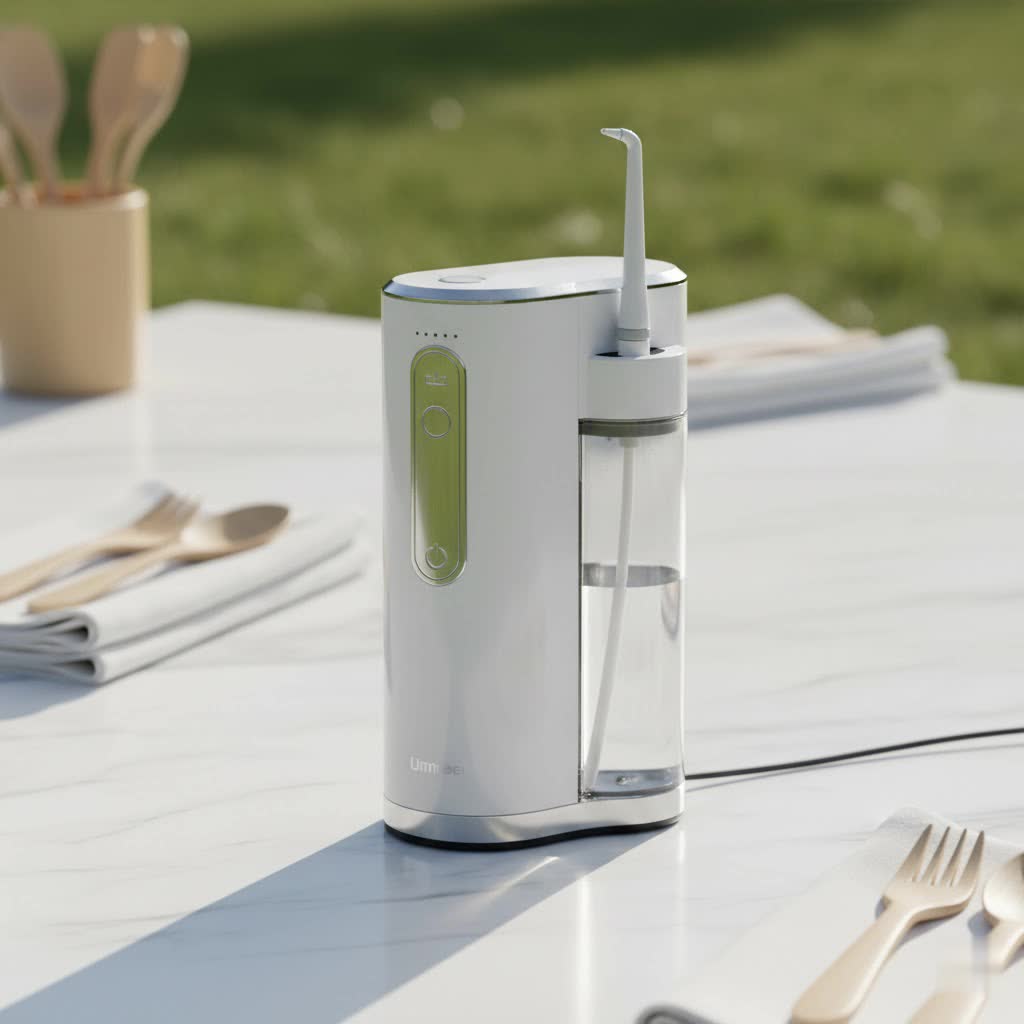
Countertop Water Flossers are typically larger units that sit on your bathroom counter, connected to a power outlet. They feature a generous water reservoir, often allowing for longer flossing sessions without refilling. These models generally provide a wider range of water pressure settings, from gentle to intense, offering greater customization for comfort and effectiveness. Their robust pumps usually deliver a more consistent and powerful stream, making them highly efficient for thorough cleaning. However, their size and reliance on an outlet mean they are less portable and take up more counter space. They are ideal for home use, especially if you have ample bathroom space and prioritize maximum power and features.
Cordless Water Flossers are compact, battery-operated devices designed for portability and convenience. Their sleek, handheld design makes them easy to maneuver and perfect for travel or for those with limited counter space. Many cordless models are also waterproof (often rated IPX7), allowing for use in the shower, which can streamline your routine and minimize mess. While highly convenient, cordless units typically have smaller water reservoirs, often requiring refills during a single flossing session. They may also offer fewer pressure settings and a slightly less powerful stream compared to their countertop counterparts. These are best suited for individuals who travel frequently, have small bathrooms, or prefer the flexibility of a portable device.
| Feature | Countertop Water Flosser | Cordless Water Flosser |
|---|---|---|
| Portability | Low (designed for home use) | High (travel-friendly, compact) |
| Water Capacity | Large reservoir (less refilling) | Smaller reservoir (may require refilling per use) |
| Pressure Settings | More varied and powerful options | Fewer settings, generally less powerful |
| Size | Larger, takes up counter space | Compact, handheld, space-saving |
| Power Source | Plugs into an outlet | Rechargeable battery |
| Ideal For | Home use, maximum features, consistent power | Travel, small bathrooms, shower use, convenience |
| Price | Generally higher initial investment | Often more budget-friendly, but can vary |
Your Guide to Choosing the Right Water Flosser
Selecting the ideal water flosser for your oral care routine involves considering various factors, from technical specifications to your personal lifestyle. Making an informed choice ensures you get a device that not only meets your needs but also enhances your daily dental hygiene.
Key Factors to Consider
- Water Pressure: Look for models with adjustable pressure settings. A range of pressures allows you to start gently, especially if you have sensitive gums, and gradually increase as your comfort level improves. Higher PSI (pounds per square inch) generally indicates a more powerful clean, but flexibility is key to avoid discomfort.
- Reservoir Capacity: This determines how long you can floss without refilling. Larger tanks on countertop models are convenient for uninterrupted sessions, while smaller tanks on cordless models prioritize portability. For a thorough cleaning, aim for a reservoir that holds enough water for at least a minute-long session.
- Flosser Tips (Picks): Water flossers come with various specialized tips designed for different oral health needs.
- Classic Jet Tips: Standard for general cleaning and everyday use.
- Orthodontic Tips: Feature a tapered brush to clean effectively around braces and wires.
- Plaque Seeker Tips: Designed with soft bristles to gently clean around implants, crowns, and bridges.
- Pik Pocket Tips: Deliver water or antimicrobial solutions deep into periodontal pockets, requiring the lowest pressure setting. Ensure the model you choose includes tips relevant to your specific dental requirements.
- Additional Features:
- Gum Massage Mode: Some models offer a mode that gently massages gums to improve circulation.
- Timers: A built-in timer or quadrant pacing guide ensures you clean your entire mouth thoroughly.
- Waterproofing (IPX7): Essential for cordless models if you plan to use them in the shower.
- Charging Method: For cordless models, USB-C charging is more convenient than proprietary chargers.
- Noise Level: Countertop models can be louder than cordless ones, which might be a consideration for some users.
- Brand Reputation and Reliability: Opt for reputable brands known for quality and customer support. Leading brands often provide better warranties and ensure access to replacement parts and tips.
Detailed Comparison Table of Top Water Flossers
To help you navigate the vast market, here’s a comparison of some highly-rated water flossers that cater to different preferences and budgets:
| Model Name | Type | Water Pressure (PSI) | Reservoir (ml) | Key Features | Ideal User | Price Range |
|---|---|---|---|---|---|---|
| Waterpik Aquarius WP-660 | Countertop | 10-100 | 650 | 10 pressure settings, massage mode, 7 tips, 1-minute timer | Everyday use, sensitive gums, comprehensive cleaning | $$$ |
| Philips Sonicare Cordless Power Flosser 3000 | Cordless | N/A (3 intensities) | 250 | Quad Stream nozzle, Pulse Wave tech, 2 modes, USB-C charging | Cordless convenience, thorough clean, travel | $$ |
| Waterpik Cordless Advanced 2.0 | Cordless | 45-75 | 207 | 3 pressure settings, 4 tips, ideal for travel, shower-safe (IPX7) | Travelers, limited space, braces wearers | $$ |
| Operan Cordless Oral Irrigator | Cordless | N/A (4 settings) | 300 | Budget-friendly, 4 tips (ortho, tongue scraper), IPX7 waterproof | Budget-conscious, basic effective flossing, shower use | $ |
| Waterpik Ultra Professional WP-100 | Countertop | 10-100 | 650 | 10 pressure settings, 7 tips, large tank, quiet operation | Families, multiple users, extensive dental work | $$$ |
Price Range: $ (Budget), $$ (Mid-range), $$$ (Premium)
Top-Rated Water Flossers on the Market
Based on expert reviews, consumer feedback, and performance, here are some of the most favored water flossers available today:
- Waterpik Aquarius WP-660: Often cited as an overall best choice, the Waterpik Aquarius offers a user-friendly design with ten pressure settings and a convenient massage mode for gum stimulation. Its large 650ml reservoir ensures you can complete your flossing without interruption, and it comes with seven different tips to cater to various oral health needs. This model excels in delivering effective, gentle cleaning, making it suitable even for those with sensitive gums.
- Philips Sonicare Cordless Power Flosser 3000: This cordless gem is praised for its innovative Quad Stream nozzle, which creates a cross-shaped pattern of water for broader coverage, efficiently cleaning multiple teeth and gum areas simultaneously. It features Pulse Wave technology, which subtly pauses the water flow to guide you to the next section of your mouth, ensuring a thorough clean. With three intensity settings and two cleaning modes, it offers excellent customization for a powerful yet comfortable experience, making it a top pick for cordless performance.
- Waterpik Cordless Advanced 2.0: For those who prioritize portability, the Cordless Advanced 2.0 is an excellent choice. It’s compact, travel-friendly, and comes with three pressure settings and four tips. Its waterproof design means you can confidently use it in the shower, adding convenience to your routine. While its reservoir is smaller, it’s perfect for on-the-go oral care or for individuals with limited bathroom space.
Mastering Your Water Flosser: A Step-by-Step Usage Guide
Using a water flosser correctly is key to maximizing its benefits and ensuring gentle yet effective cleaning. Here’s how to integrate it into your daily routine:
- Fill the Reservoir: Begin by filling the water reservoir with lukewarm water. You can add a small amount of non-alcoholic mouthwash if desired, though plain water is highly effective for plaque and debris removal.
- Select Your Tip: Choose the appropriate flosser tip for your needs and securely attach it to the handle.
- Adjust Pressure: If you’re new to water flossing or have sensitive gums, start with the lowest pressure setting. You can gradually increase the pressure as you become more comfortable.
- Position the Tip: Lean over the sink and place the tip in your mouth, aiming it at the gumline at a 90-degree angle to your teeth. Keep your lips slightly parted to allow water to drain into the sink, preventing mess.
- Begin Flossing: Turn the unit on. Guide the water stream along your gumline, pausing briefly between each tooth to allow the water to thoroughly clean the area. Work your way around your entire mouth, focusing on both the front and back surfaces of your teeth. For best results, dental professionals often recommend intermittent spraying rather than a continuous stream.
- Empty and Clean: Once you’ve finished, turn off the device, empty any remaining water from the reservoir, and rinse it out.
Important Considerations:
- Always point the water stream at your gumline, not directly into a gum pocket, especially with higher pressure, to avoid injury.
- Replace your flosser tips every three to six months, or sooner if they show signs of wear, to maintain optimal hygiene and effectiveness.
- Aim to use your water flosser at least once a day, ideally after brushing, to remove any lingering food particles and plaque.
Where to Buy and What to Expect: Price & Availability
Investing in a water flosser is a step towards superior oral health, and these devices are readily available through various reputable channels.
You can find water flossers at major online retailers like Amazon, Walmart, and Target, which often offer a wide selection of brands and models, competitive pricing, and customer reviews to aid your decision. Specialized dental product websites are also excellent sources, sometimes providing a broader range of professional-grade options and more detailed product information. For those who prefer a hands-on shopping experience, brick-and-mortar stores such as electronics retailers, pharmacies, and even some supermarkets carry popular water flosser brands.
In terms of pricing, water flossers represent a worthwhile investment, though their cost can vary significantly. You can find budget-friendly options starting from around $20-$40, which are typically basic cordless models suitable for beginners or travelers. Mid-range water flossers, priced between $50-$100, often include more features, better build quality, and a wider array of tips, offering excellent value. Premium models, ranging from $100-$150 or more, boast advanced technology, numerous pressure settings, larger capacities, and often come from well-established dental hygiene brands. Look out for sales and promotions, especially around holidays, to get the best deals on your chosen water flosser.
Maintaining Your Water Flosser for Longevity
To ensure your water flosser continues to perform effectively and remains hygienic, regular cleaning and proper maintenance are essential.
- Daily Cleaning: After each use, empty the reservoir completely and rinse it with clean water. This prevents the buildup of stagnant water and potential bacterial growth.
- Deep Cleaning (Monthly): For a more thorough clean, mix 2 tablespoons of white vinegar with 16 ounces of warm water in the reservoir. Run half of this solution through the unit, aiming the tip into the sink. Allow the remaining solution to sit in the reservoir for 20-30 minutes, then run it through until the reservoir is empty. Finish by running a full reservoir of clean warm water through the unit to rinse away any vinegar residue.
- Cleaning the Handle and Tips: Remove the flosser tip and soak both the handle (for countertop models) and the tip in a solution of equal parts vinegar and water or hydrogen peroxide for about 5 minutes. Rinse thoroughly with warm water. This helps to remove mineral deposits and sanitize the components.
- Preventing Mineral Buildup: Using distilled water can help reduce mineral deposits, especially if you live in an area with hard water.
- Troubleshooting Common Issues: If you notice a decrease in water pressure or blockages, perform a deep clean. Ensure the tip is properly seated and there are no kinks in the hose (for countertop models). If issues persist, refer to your device’s user manual or contact customer support.
- Tip Replacement: As previously mentioned, replace your flosser tips every 3 to 6 months to ensure optimal cleaning performance and hygiene.
Comprehensive Buying Guide: Tailoring to Your Needs
Choosing a water flosser isn’t a one-size-fits-all decision; it’s about finding a device that perfectly aligns with your budget and unique oral health requirements.
Budget Considerations
- Water Flossers on a Budget: Affordable models typically offer essential cleaning functions without many extra frills. Their advantages lie in accessibility and simplicity, making them a great entry point into water flossing. However, they might have smaller reservoirs, fewer pressure settings, and less durable construction compared to pricier alternatives.
- Mid-Range Water Flossers: These strike an excellent balance between cost and features. You’ll often find enhanced pressure control, slightly larger reservoirs, and a selection of specialized tips. They offer superior value, combining reliable performance with added convenience.
- High-End Water Flossers: Premium models boast advanced technology, robust construction, extensive pressure customization, and often include a wide array of specialized tips and sophisticated features like UV sanitizers. While a larger investment, they provide a comprehensive and highly refined flossing experience for those seeking the best available.
Personalized Needs
- For Beginners: Start with a cordless model with adjustable, gentle pressure settings. Their ease of handling and portability can make the transition to water flossing smoother.
- For Braces Wearers: Look for models that include an orthodontic tip. The specialized design helps navigate around brackets and wires, ensuring thorough cleaning in hard-to-reach areas. Cordless models can also offer more maneuverability.
- For Those with Sensitive Gums or Periodontal Disease: A water flosser with very low-pressure settings and a Pik Pocket tip is highly recommended. The gentle stream, especially when combined with prescribed solutions, can cleanse periodontal pockets without causing irritation.
- For Travelers: Compact, cordless, and rechargeable models with a good battery life and a travel bag are ideal. Look for IPX7 waterproofing if you wish to use it in different bathroom environments or even in the shower.
“A water flosser is a game-changer for oral hygiene, especially for those with unique dental challenges like braces or gum sensitivity. It’s about more than just cleaning; it’s about stimulating gum health and reaching every nook and cranny for a truly fresh mouth.” – Dr. Sarah Miller, Periodontist & Oral Health Expert.
Conclusion
Embracing a water flosser is a significant step towards achieving and maintaining optimal oral health. These versatile devices offer a powerful and gentle way to remove plaque, dislodge food particles, and promote healthier gums, complementing your brushing routine like never before. With a wide array of options, from compact cordless units for on-the-go freshness to powerful countertop models for a comprehensive home clean, there’s a perfect water flosser for everyone. By understanding the different types, considering key features like pressure settings and specialized tips, and following proper usage and maintenance, you can unlock a new level of dental hygiene. Isn’t it time you experienced the refreshing difference a water flosser can make for your smile?
Frequently Asked Questions
Is a water flosser better than string floss?
While some studies suggest water flossers can remove more plaque and improve gum health more effectively than string floss, many dental professionals recommend using both. String floss excels at mechanically scraping plaque from tooth surfaces, while a water flosser is excellent for rinsing debris and massaging gums, particularly in hard-to-reach areas or around dental work. It’s often a “both/and” approach for the most comprehensive clean.
Can water flossers damage gums?
When used correctly, water flossers are generally gentle and safe for gums. Starting with a low pressure setting and aiming the stream at the gumline, not directly into a pocket, prevents irritation. They are often recommended for those with sensitive gums or periodontal disease due to their gentle massaging action, which can improve gum health.
How often should I use my water flosser?
For optimal oral hygiene, it’s recommended to use your water flosser at least once a day. Many individuals find that incorporating it into their evening routine after brushing ensures all food particles and plaque accumulated throughout the day are effectively removed, contributing to fresher breath and healthier gums.
Can I use mouthwash in my water flosser?
Yes, you can typically use non-alcoholic mouthwash in your water flosser’s reservoir. Some users find it provides an extra feeling of freshness. However, for most cleaning purposes, plain lukewarm water is highly effective. If you use mouthwash, always rinse the reservoir and run clean water through the unit afterward to prevent buildup and prolong the device’s life.
What’s the difference between a water flosser and an oral irrigator?
There is no difference; “water flosser” and “oral irrigator” are interchangeable terms for the same device. Both refer to an oral health appliance that uses a stream of pulsating water to clean between teeth and below the gumline. “Waterpik” is a popular brand name that has become synonymous with the product, similar to how “Kleenex” is used for facial tissues.