Are you truly giving your teeth and gums the attention they deserve with just a toothbrush and traditional floss? Many struggle to effectively clean those hard-to-reach areas, leading to plaque buildup, gum issues, and a less-than-optimal oral hygiene routine. This is where a Countertop Water Flosser steps in, offering a powerful and precise solution to elevate your dental care. Designed for consistent performance and deep cleaning, these devices can transform your daily routine and contribute significantly to a healthier, brighter smile. This guide will explore everything you need to know about countertop water flossers, from understanding their benefits to choosing the perfect model for your needs and maintaining it for long-term oral health.
What is a Countertop Water Flosser and Why Do You Need One?
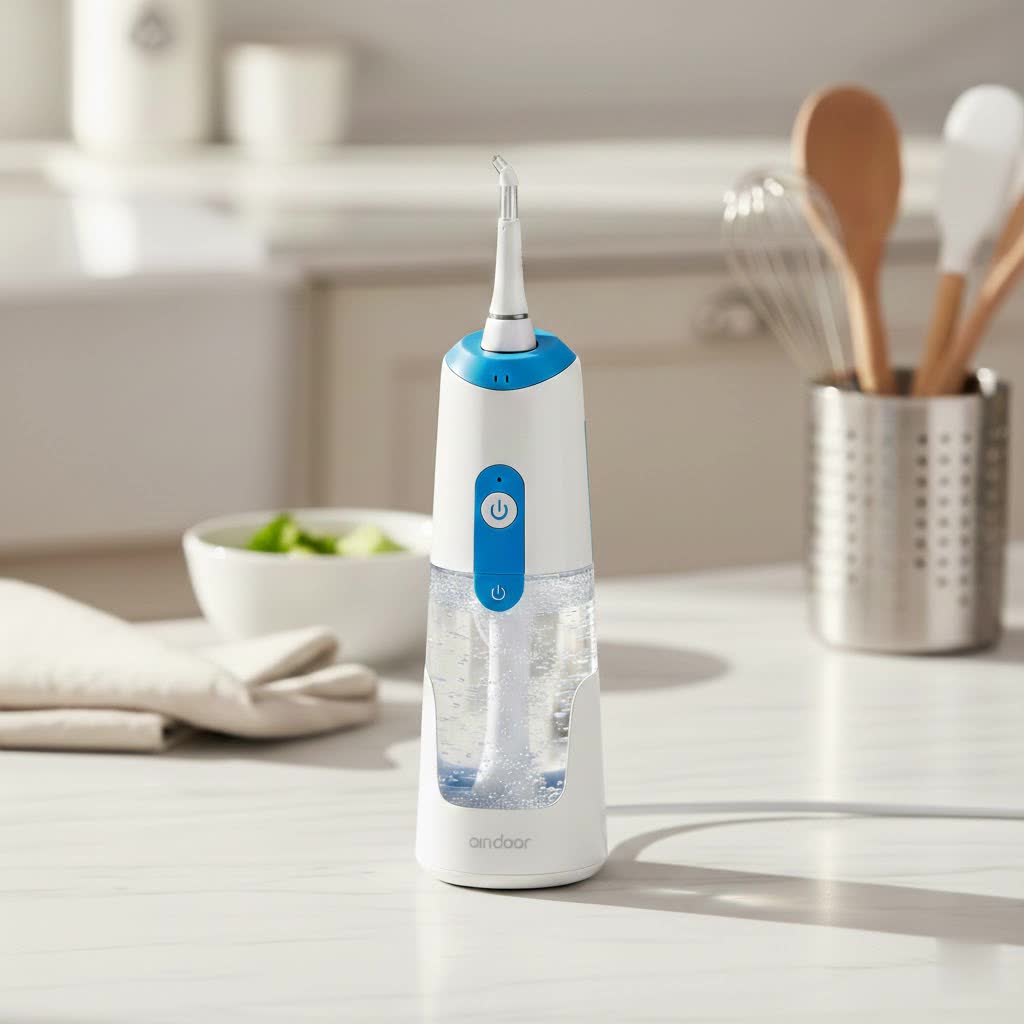
A countertop water flosser, also known as an oral irrigator, is an advanced dental device that uses a focused stream of pulsating water to remove food particles, plaque, and bacteria from between your teeth and below the gumline. Unlike traditional string floss, which relies on manual dexterity, a water flosser utilizes hydrodynamic forces to clean areas that are often missed. The steady stream of water gently yet effectively dislodges debris, rinsing away harmful bacteria and providing a superior clean that brushing alone cannot achieve.
The benefits of incorporating a countertop water flosser into your routine are substantial. Clinical studies have shown water flossers to be particularly effective in reducing gingivitis and bleeding gums, often outperforming string floss in these areas. For individuals with dental braces, implants, crowns, bridges, or crowded teeth, a water flosser is a game-changer, as its targeted stream can navigate around complex dental work and access deep pockets that traditional floss struggles to reach. Beyond cleaning, the pulsating water also provides a soothing massage for your gums, stimulating blood flow and promoting overall gum health. Many dental professionals recommend water flossers as an excellent adjunct to daily brushing and traditional flossing for comprehensive oral hygiene.
Countertop vs. Cordless Water Flossers: A Detailed Comparison
When considering a water flosser, you’ll primarily encounter two types: countertop and cordless. While both aim to improve oral hygiene, they offer distinct advantages and are suited for different lifestyles and needs. Understanding these differences is key to making an informed choice.
Countertop Water Flossers: The Powerhouse Option
Countertop models are typically larger units that plug directly into an electrical outlet, providing a continuous and powerful flow of water. They are the workhorses of water flossing, designed for robust performance and a comprehensive clean.
-
Pros:
- Stronger, Consistent Water Pressure: Countertop units generally offer a wider range of pressure settings (often up to 10), delivering a more intense and consistent stream ideal for deep cleaning.
- Larger Water Reservoir: With tanks often holding enough water for 90-120+ seconds of continuous flossing, you won’t need to refill mid-session, making for a more thorough and uninterrupted experience. This is especially convenient for multiple users in a household.
- Variety of Specialized Tips: These models usually come with an extensive assortment of tips, including standard, orthodontic, plaque seeker, periodontal pocket, and tongue cleaner tips, catering to diverse oral health needs.
- No Battery Concerns: As they are corded, there’s no need to worry about battery life or recharging; simply plug it in and use.
- Durability and Features: Often built with more advanced features, stronger motors, and a generally longer lifespan.
-
Cons:
- Requires Dedicated Counter Space: Their larger footprint means they need a permanent spot on your bathroom counter, which might be an issue for smaller bathrooms.
- Less Portable: They are not designed for travel and are meant to stay in one location.
- Generally Louder: Due to their more powerful motors, countertop models can be noticeably louder than their cordless counterparts.
Cordless Water Flossers: The Portable Choice
Cordless models are compact, battery-powered or rechargeable devices designed for flexibility and convenience.
-
Pros:
- Highly Portable and Travel-Friendly: Their compact size and lack of cords make them ideal for travel or use in different locations.
- Space-Saving: Perfect for small bathrooms, pedestal sinks, or those who prefer a minimalist countertop.
- Shower-Friendly: Many cordless models are waterproof, allowing for mess-free use in the shower.
-
Cons:
- Smaller Water Tank: Typically hold enough water for only 30-45 seconds of use, often requiring refills during a full flossing session.
- Lower and Less Consistent Pressure: While still effective, the water pressure is generally less powerful and offers fewer adjustable settings compared to countertop models.
- Battery Reliance: Requires regular charging, and battery performance can degrade over time.
For maximum cleaning power, greater water capacity, and a versatile range of settings for home use, especially for those with gum issues or orthodontic appliances, a countertop water flosser is often the superior choice. If portability and limited space are your primary concerns, a cordless model offers excellent convenience.
Choosing the Right Countertop Water Flosser: Key Factors
Selecting the ideal countertop water flosser involves evaluating several critical features to ensure it meets your specific oral care needs and preferences.
- Water Pressure Settings: Look for a model that offers a wide range of adjustable pressure settings. This versatility allows you to start with a gentle stream for sensitive gums and gradually increase the intensity for deeper cleaning as your gums adapt. Some advanced models provide up to 10 pressure settings, ensuring optimal comfort and effectiveness for every user.
- Reservoir Capacity: A generous water tank is a hallmark of a good countertop model. Aim for a reservoir that provides at least 90 seconds of continuous flossing without the need for a refill. This ensures a complete and uninterrupted cleaning session for your entire mouth.
- Tip Variety: Countertop flossers often come with a selection of specialized jet tips. Consider what your oral hygiene needs are:
- Standard Jet Tips: For general cleaning.
- Orthodontic Tips: Designed to clean around braces.
- Plaque Seeker Tips: To target plaque around implants and crowns.
- Pik Pocket Tips: For periodontal pockets and furcations.
- Tongue Cleaner Tips: For fresh breath.
- Additional Features: Modern water flossers offer various enhancements. Look for features like:
- Built-in Timers/Pacer: To guide you through a full two-minute flossing session.
- Massage Mode: For gum stimulation.
- Easy-to-Fill Reservoir: A wide opening or removable tank for convenience.
- Handle with Water Control: Allowing you to pause the stream easily.
- Brand Reputation & ADA Seal: Opt for reputable brands known for their quality and reliability in oral care. Waterpik and Philips Sonicare are two leading brands that frequently receive the American Dental Association (ADA) Seal of Acceptance, signifying that their products have been tested for safety and effectiveness.
Top Countertop Water Flosser Models to Consider
The market offers several excellent countertop water flosser models, each with unique strengths. Brands like Waterpik and Philips Sonicare consistently rank high for their performance, durability, and innovative features.
The Waterpik Aquarius Water Flosser is often cited as a top choice for its effective, gentle cleaning, particularly for those with sensitive gums or early-stage gum recession. It’s praised for its wide range of pressure settings, allowing for personalized comfort and intensity, and its ability to visibly flush out debris.
Another strong contender is the Philips Sonicare Power Flosser 5000. While some models might have a less contoured pressure dial compared to Waterpik, the Power Flosser 5000 is recognized for its comparable flossing time and cleaning results, often offering 10 different pressure settings and a practical cable clip underneath for a tidy countertop.
Here’s a general comparison table to illustrate typical features found in leading countertop models:
| Feature | Waterpik Aquarius (Example) | Philips Sonicare Power Flosser 5000 (Example) | Other High-End Models (Example) |
|---|---|---|---|
| Water Pressure | 10 settings, 10-100 PSI | 10 intensities, various modes | Multi-level, customizable |
| Tank Capacity | ~22 oz (~650 ml) for 90+ sec | ~18 oz (~530 ml) for 60+ sec | Large (~20-25 oz) |
| Included Tips | 7 (Classic, Plaque Seeker, Ortho) | 4 (Quad Stream, Standard) | Varies (up to 8) |
| Key Features | Pulse modulation, massage mode | Quad Stream technology, auto-off | UV sanitizer, digital display |
| Price Range | Mid-High | Mid-High | High |
When reviewing products, consider personal feedback on ease of use, noise level, and specific features that align with your oral health goals.
How to Use Your Countertop Water Flosser Effectively
Using a countertop water flosser correctly is essential to maximize its benefits and avoid gum irritation. Follow these steps for an optimal cleaning experience:
- Prepare the Reservoir: Fill the large reservoir with warm water. You can also add a small amount of non-alcoholic mouthwash for an extra boost of freshness and germ-killing power.
- Select Your Tip and Pressure: Choose the appropriate jet tip for your needs (e.g., standard, orthodontic) and securely insert it into the handle. Start with the lowest pressure setting, especially if you’re new to water flossing, and gradually increase it as you become comfortable.
- Position Yourself: Lean over the sink to prevent splashing. Place the tip in your mouth, directing it towards your gumline, forming a 90-degree angle with your teeth.
- Begin Flossing: Turn the unit on. Keep your lips partially closed to contain the water, allowing it to drain into the sink. Guide the water stream along your gumline, pausing briefly between each tooth, working from your back molars to your front teeth. Be sure to clean both the inside and outside surfaces of your teeth.
- Complete the Session: Continue until you’ve cleaned all areas, or the reservoir is empty. Most dental professionals recommend a full two-minute session for comprehensive cleaning.
- Empty and Air Dry: After use, turn off the device, remove the tip, and empty any remaining water from the reservoir to prevent bacterial growth. Allow the components to air dry.
Important Notes: Always use warm water for comfort. Avoid pointing the water stream directly into gum pockets at high pressure, as this can cause irritation. Consistent daily use, ideally after brushing, will yield the best results.
Where to Buy and What to Expect on Price
Countertop water flossers are widely available, both online and in physical stores, making it convenient to find the perfect model for your needs.
- Online Retailers: Websites like Amazon, eBay, and the official brand websites (e.g., Waterpik.com, Philips.com) offer the widest selection, often with competitive pricing and customer reviews.
- Major Electronics and Pharmacy Stores: Retailers such as Target, Walmart, Best Buy, and drugstores like CVS or Walgreens typically stock popular models from leading brands. This allows you to see the products in person before purchasing.
Price tiers for countertop water flossers generally fall into three categories:
- Budget-Friendly ($30-$60): These models offer basic features, good performance for general use, and are an excellent entry point for those new to water flossing.
- Mid-Range ($60-$100): This segment provides a balance of enhanced features, more pressure settings, larger reservoirs, and often includes a wider variety of tips, offering great value for money.
- Premium ($100+): High-end models boast advanced technology, smart features, superior durability, and often come with comprehensive warranties. These are ideal for users seeking the absolute best in oral care technology.
To save money, keep an eye out for seasonal sales, holiday discounts, and bundle offers that include extra tips or dental care products.
Maintaining Your Countertop Water Flosser for Longevity
Proper maintenance is crucial for the longevity and hygienic operation of your countertop water flosser. Regular cleaning prevents the buildup of bacteria, mold, and mineral deposits, ensuring your device continues to perform effectively.
- Daily Care: After each use, empty any remaining water from the reservoir and allow it to air dry. This simple step significantly reduces the risk of mold and bacterial growth.
- Weekly Cleaning:
- Remove the reservoir and wash it with warm, soapy water. Rinse thoroughly.
- Wipe down the exterior of the unit with a soft cloth.
- Clean the jet tips by soaking them in a solution of warm water and a small amount of white vinegar for 5-10 minutes, then rinse well.
- Monthly/Quarterly Descaling (for hard water areas): If you live in an area with hard water, mineral deposits can build up in the internal components. To descale:
- Fill the reservoir with a mixture of two parts water and one part white vinegar.
- Run about half of the solution through the unit until it’s nearly empty.
- Pause the unit and let the remaining solution sit for 20-30 minutes.
- Run the rest of the solution through, then rinse by running a full reservoir of clean warm water through the unit.
- Troubleshooting: If you experience weak pressure or clogging, cleaning the internal components as described above often resolves the issue. Replace jet tips every 3-6 months, or sooner if they show signs of wear, to ensure optimal performance.
Your Essential Buying Guide for Countertop Water Flossers
Making the right choice for a countertop water flosser comes down to aligning its features with your personal needs and circumstances.
- Consider Your Budget: While higher-priced models often come with more features and better durability, excellent budget-friendly options can still provide significant oral health benefits. Determine what you’re willing to invest and explore models within that range.
- Assess Personal Needs:
- For Beginners: Look for models with a wide range of pressure settings to start gently. Ease of use in filling and operating is also key.
- For Braces or Dental Work: Prioritize models that offer specialized orthodontic tips and strong, consistent pressure to effectively clean around brackets and wires.
- For Gum Disease or Sensitivity: Adjustable pressure settings and periodontal tips are crucial for targeted, gentle cleaning without causing irritation.
- For Multiple Users: A larger reservoir and multiple color-coded tips are ideal for family use.
- Evaluate Counter Space: Measure your available bathroom counter space to ensure the unit will fit comfortably without cluttering your sink area.
By considering these factors, you can confidently choose a countertop water flosser that will be a valuable addition to your daily oral hygiene routine.
Conclusion
A countertop water flosser is more than just a gadget; it’s a powerful tool that can significantly enhance your oral hygiene, reaching areas that brushing and traditional flossing often miss. With their robust water pressure, generous reservoir capacity, and versatile tip options, these devices offer a superior cleaning experience ideal for maintaining gum health, dislodging stubborn plaque, and catering to specific dental needs like braces or implants. Choosing the right model involves considering factors like pressure settings, tank size, and specialized tips, ensuring you find a device that seamlessly integrates into your daily routine. By embracing the power of water flossing, you’re not just cleaning your teeth; you’re investing in a lifetime of healthier gums and a brighter, more confident smile. Why not elevate your oral care routine today and experience the remarkable difference a countertop water flosser can make?
Frequently Asked Questions
Are countertop water flossers better than string floss?
|
Our Picks for the Best Water Flosser in 2026
We may earn a commission when you use one of our links to make a purchase.
|
||
| Num | Product | Action |
|---|---|---|
| 1 | Waterpik Aquarius Water Flosser For Teeth Cleaning, Gums, Braces, Dental Care, Electric Power With 10 Settings, 7 Tips For Multiple Users And Needs, ADA Accepted, Black WP-662, Packaging May Vary |

|
| 2 | COSLUS Water Dental Flosser Pick for Teeth: 4 Modes Cordless Portable 300ML Larger Tank Water Teeth Cleaner IPX7 Waterproof Flossing Cleaning Picks for Home Travel Black C30(FC5360) |
|
| 3 | Cordless Water Flosser for Teeth, U-Shaped Flossing 360° Deep Clean, 5 Modes 7 Jet Tips for Adult & Child, Portable Rechargeable Dental Flosser Pick for Braces, Travel, 350ML Large Tank |
|
| 4 | Bitvae Water Dental Flosser for Teeth, Cordless Water Teeth Cleaner Picks, 3 Modes 5 Intensities, IPX7 Waterproof, Rechargeable Water Dental Picks for Cleaning - Black |
|
| 5 | Waterpik Cordless Pulse Rechargeable Portable Water Flosser for Teeth, Gums, Braces Care and Travel with 2 Flossing Tips, Waterproof for Shower, ADA Accepted, WF-20 White, Packaging and Tips May Vary |
|
| 6 | Onlyone Rechargeable Cordless Water Flosser with Adjustable Water Pressure for Daily Oral Care, Power Dental Flosser for Home and Travel Use, Portable Oral Irrigator for Sensitive Gums and Braces Care |
|
| 7 | COSLUS Water Dental Flosser Teeth Pick: Portable Cordless Oral Irrigator 300ML Rechargeable Travel Irrigation Cleaner IPX7 Waterproof Electric Flossing Machine for Teeth Cleaning C20(F5020E) |
|
| 8 | Electric Toothbrush with Water Flosser, Upgrade Flossing Toothbrush Combo with 3 Brush + 1 Nozzle, 5 Floss Speeds&3 Brush Modes, 500mL Tank, 30-Day Battery, for Adults & Teens, Gums, Braces-White |
|
| 9 | Waterpik Aquarius Water Flosser For Teeth Cleaning, Gums, Braces, Dental Care, Electric Power With 10 Settings, 7 Tips For Multiple Users And Needs, ADA Accepted, White WP-660, Packaging May Vary |
|
| 10 | Electric Toothbrush with Water Flosser Combo, Professional Flossing Toothbrush with 3 Sonic Brush Modes & 5 Water Pressures, Cordless Water Flosser for Adults Teeth Cleaning Plaque Removal |
|
Countertop water flossers are highly effective, and studies indicate they can be superior to string floss for reducing gingivitis and bleeding gums, especially for those with braces or implants. However, many dental professionals recommend using both a water flosser and string floss for the most comprehensive plaque removal.
How often should I use my countertop water flosser?
For optimal results, it is recommended to use your countertop water flosser once a day, ideally after brushing your teeth. Consistent daily use helps prevent plaque buildup and maintains healthy gums.
Can I use mouthwash in my water flosser?
Yes, you can use a small amount of non-alcoholic mouthwash in your water flosser’s reservoir. Always dilute it with warm water according to the manufacturer’s instructions, and be sure to rinse the unit thoroughly with plain water afterward to prevent buildup.
Is a countertop water flosser good for braces?
Absolutely! Countertop water flossers are highly recommended for individuals with braces. The pulsating water stream can effectively clean around wires and brackets, dislodging food particles and plaque in areas that are very challenging to reach with traditional brushing and flossing.
How long do countertop water flossers last?
With proper care and maintenance, a good quality countertop water flosser can last for several years. Regular cleaning, descaling, and timely replacement of jet tips are crucial for extending its lifespan and ensuring consistent performance.
