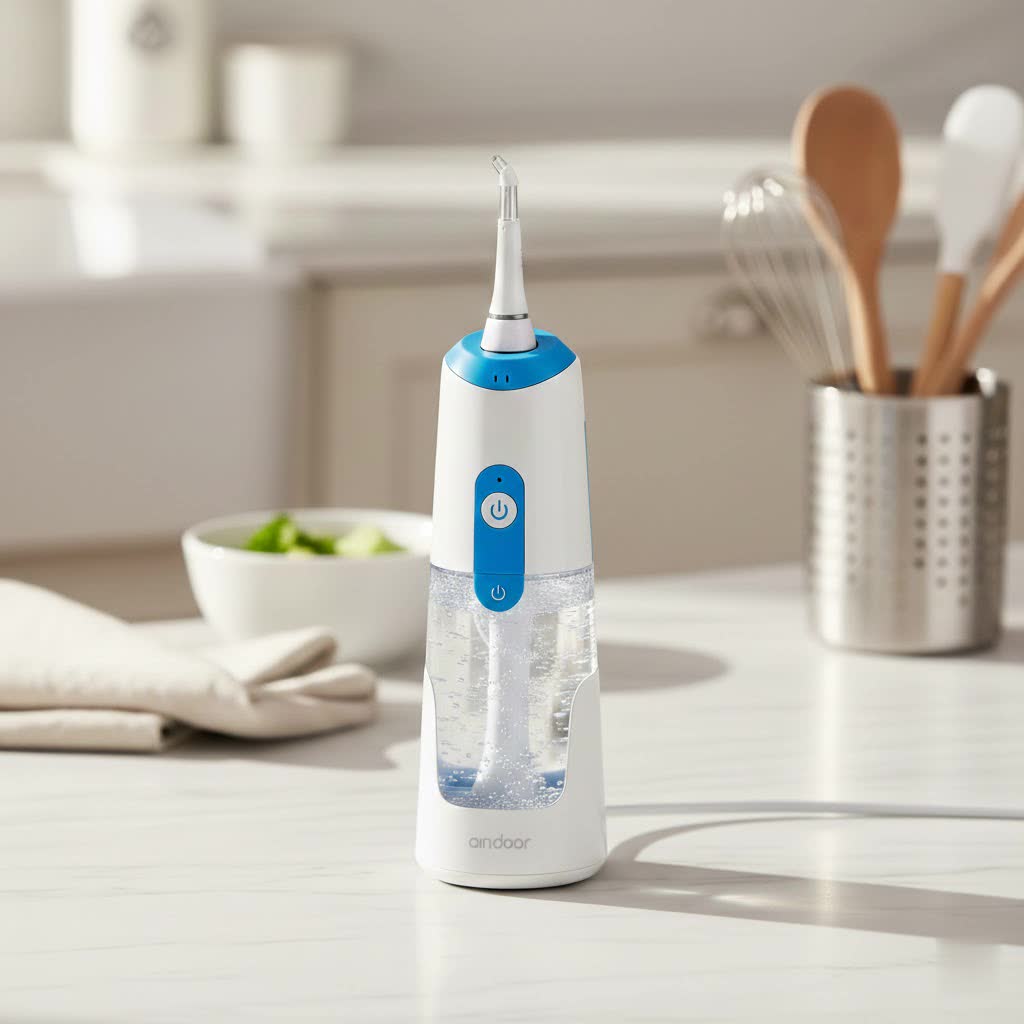
Maintaining impeccable oral hygiene can often feel like a juggling act, especially with a busy lifestyle or frequent travel. You might diligently brush twice a day, but what about those elusive food particles and plaque lurking between your teeth and beneath the gumline? This is where the best portable water flosser steps in as a game-changer, offering a convenient, effective, and refreshing solution to keep your smile healthy, no matter where life takes you. Forget the hassle of traditional string floss; these compact powerhouses are revolutionizing how we care for our teeth and gums outside the bathroom counter.
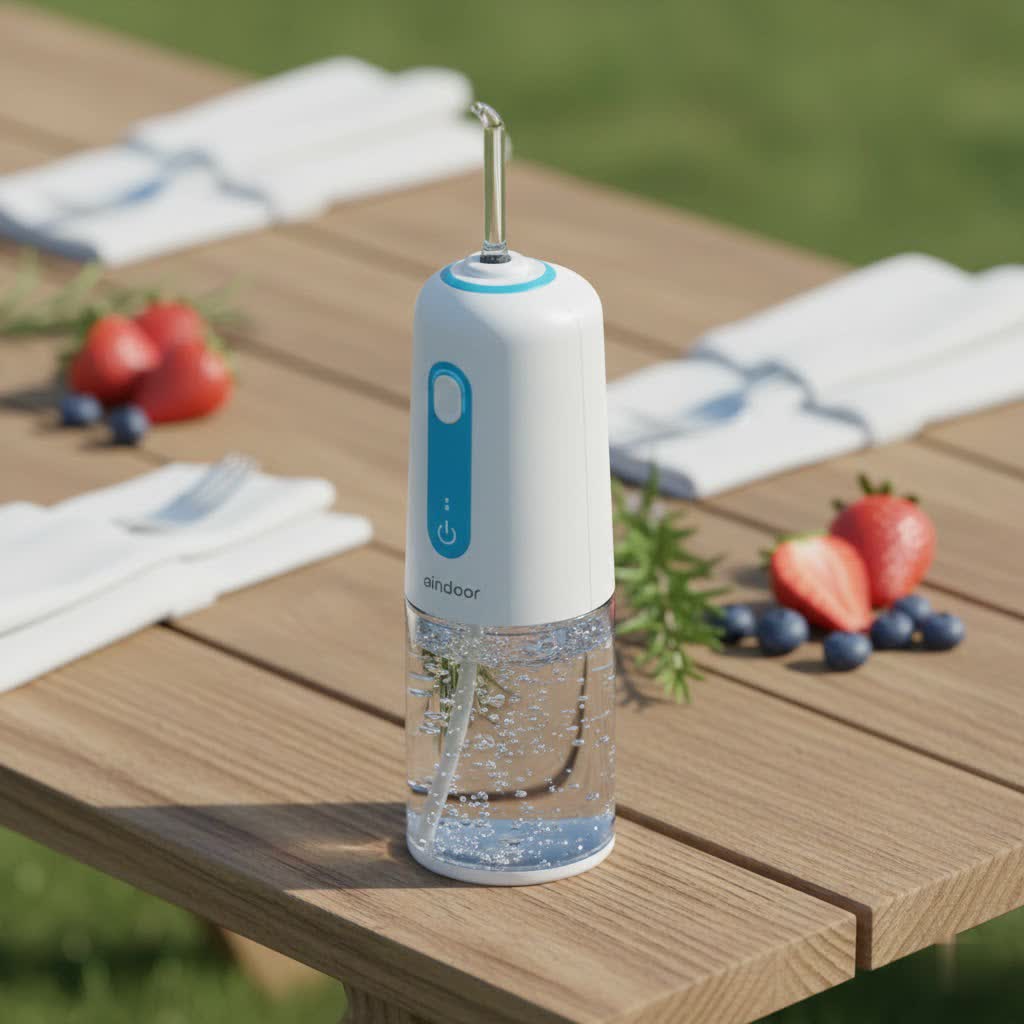
This comprehensive guide is designed to empower you with the knowledge needed to select the ideal portable water flosser for your specific needs. We’ll dive into what makes these devices essential, explore the various types available, provide a detailed buying guide with top recommendations, and share expert tips on usage and maintenance. Get ready to discover the perfect portable companion for a healthier, brighter smile!
Water Flosser: What Is It and Why You Need It?
A water flosser, also known as an oral irrigator or dental water jet, is a device that uses a pressurized stream of pulsating water to remove food particles, plaque, and bacteria from between teeth and along the gumline. Unlike traditional string floss, which relies on mechanical scraping, a water flosser utilizes hydrodynamic power to clean effectively, even in hard-to-reach areas. This mechanism is particularly beneficial as it can dislodge debris that brushing alone often misses.
The benefits of incorporating a water flosser into your daily routine are numerous and significant for overall oral health. These devices are remarkably gentle on gum tissue, helping to reduce irritation and bleeding often associated with traditional flossing, making them an excellent choice for individuals with sensitive gums. For those with dental work such as braces, crowns, bridges, or implants, water flossers offer an unparalleled ability to clean around these structures without snagging or discomfort. They also promote fresher breath by flushing out odor-causing bacteria and contribute to healthier gums by stimulating blood circulation. Studies have consistently shown that water flossers can remove more plaque than traditional string floss, leading to improved gum health and a reduced risk of gum disease.
Types of Water Flossers: Focusing on Portability
While there are various types of water flossers, including countertop models with large reservoirs, the focus for an on-the-go lifestyle is undoubtedly on portable (cordless) water flossers. These devices are specifically designed for maximum convenience and mobility.
Portable water flossers typically feature a compact, handheld design with an integrated water reservoir and a rechargeable battery. This cordless nature means you’re not tethered to an electrical outlet, allowing for use in any bathroom, or even in the shower if the device is waterproof. Their smaller footprint makes them easy to pack into a travel bag or keep discreetly in a desk drawer. While their water tanks are generally smaller than countertop versions, often requiring a refill during a full flossing session, this is a trade-off for their unmatched portability. They usually come with multiple pressure settings to customize your cleaning experience, from a gentle massage to a powerful deep clean, and various nozzle tips for different dental needs.
How to Choose a Portable Water Flosser That’s Right for You
Selecting the ideal portable water flosser involves considering several key features to match your personal preferences and dental health requirements. From water pressure to battery life, understanding these aspects will help you make an informed decision.
Key Factors to Consider When Buying
- Water Pressure and Modes: Look for models with adjustable pressure settings. A range of options, from gentle to powerful, allows you to customize the intensity to suit different areas of your mouth or varying sensitivities. Multiple modes (e.g., normal, soft, pulse, massage) offer versatility for different cleaning needs.
- Water Reservoir Capacity: Portable flossers have smaller tanks for compactness. While a larger tank means fewer refills per session, a smaller one is lighter and more travel-friendly. Most portable models require at least one refill to complete a thorough cleaning.
- Battery Life and Charging: Since portability hinges on being cordless, a long-lasting battery is crucial. Some models offer up to two weeks or even 80 days of use on a single charge, while others have quick-charge features. USB charging is a convenient bonus for travel.
- Nozzle Types and Attachments: Most water flossers come with standard jet tips. However, specialized tips like orthodontic tips (for braces), plaque seeker tips (for implants or crowns), periodontal tips (for gum pockets), and tongue cleaners enhance the device’s versatility and effectiveness for specific concerns. A 360-degree rotating nozzle is also a plus for reaching all areas of the mouth.
- Size, Weight, and Ergonomics: A truly portable device should be lightweight, compact, and easy to hold and maneuver, especially when reaching back teeth. Consider models with ergonomic designs that fit comfortably in your hand.
- Waterproof Design: Many portable water flossers are fully waterproof, allowing for safe use in the shower. This can add significant convenience to your daily routine.
- Brand Reputation and Warranty: Opt for established brands known for oral care products. Check for warranty information and customer support, as these indicate a manufacturer’s confidence in their product’s durability and performance.
Comparative Table of Top Portable Water Flossers
Here’s a comparison of some highly-rated portable water flossers, highlighting key specifications to help your decision-making:
| Feature | Philips Sonicare Cordless Power Flosser 3000 | Waterpik Cordless Plus (WP-450UK/462) | COSLUS Water Teeth Flosser | Oral-B Aquacare 6 Pro-Expert | Burst Water Flosser |
|---|---|---|---|---|---|
| Pressure Settings | 3 intensity (Deep Clean mode) | 2 (High/Low) | 4 (Normal, Soft, Pulse, Sinus) | 3 intensity, 2 streams (6 settings) | 3 (Standard, Turbo, Pulse) |
| Water Reservoir | 250ml / 8.5 oz | 210ml | 300ml | 150ml | 4 oz |
| Battery Life | 2 weeks (USB charging) | ~45 seconds run time (daily charge) | Undisclosed, but praised as long | Good battery life (GHI) | 80 days |
| Nozzle Types | Standard, Quad Stream | Jet, Orthodontic, Plaque Seeker, Tongue Cleaner | Standard, Orthodontic, Cleaning | Oxyjet, Waterjet | 1 Standard |
| Waterproof | N/A | Yes | No | No | Yes |
| Special Features | Quad stream nozzle, easy fill | Dual water pressure control | Tongue scraper, affordable | Oxyjet Technology | Slim design, waterproof |
| Approx. Price Range | Mid-High | Mid | Low | Mid-High | Mid |
Note: Specifications can vary by region and model version. Always check the manufacturer’s latest details.
Top Portable Water Flosser Reviewed
Let’s delve into some of the most popular and highly-rated portable water flossers on the market, offering a closer look at their strengths and potential drawbacks.
1. Philips Sonicare Cordless Power Flosser 3000
The Philips Sonicare Cordless Power Flosser 3000 consistently receives high marks for its effectiveness and user-friendly design. It features a unique quad stream nozzle that creates four wide streams of water, designed for maximum coverage and a more thorough clean. Users appreciate its three intensity settings, including a “Deep Clean” pulsing mode, which makes it suitable for both powerful cleaning and gentle care for sensitive gums. It’s easy to fill and maneuver, with a rotating nozzle to reach all areas of your mouth. While not explicitly advertised as fully waterproof for shower use, its cordless nature makes it highly convenient for everyday use and travel, boasting a battery life of up to two weeks.
- Pros: Excellent cleaning power, effective quad stream nozzle, easy to use and fill, good for sensitive gums, long battery life.
- Cons: No timer, limited color options.
2. Waterpik Cordless Advanced 2.0 / Cordless Plus / Ultra Cordless (Various Models)
Waterpik is often synonymous with water flossing, and their cordless range, including models like the Cordless Advanced 2.0, Cordless Plus, and Ultra Cordless, offers robust performance in a portable package. These devices are renowned for their powerful cleaning action, often being recommended by dental professionals. They typically feature multiple pressure settings and a variety of tips, including specialized ones for orthodontics or plaque removal, making them ideal for individuals with specific dental needs like braces or implants. Waterpik cordless models are generally waterproof, allowing for convenient shower use. While some models may have smaller reservoirs requiring a refill, their effectiveness in removing plaque and food debris is consistently praised.
- Pros: Highly effective for plaque removal, great for braces/dental work, multiple specialized tips, waterproof design.
- Cons: Can be noisy, some models may require refilling mid-use, battery life can be shorter on older models.
3. COSLUS Water Teeth Flosser
The COSLUS Water Teeth Flosser stands out as a highly affordable yet surprisingly effective option. Praised by testers for its compact and practical design, it’s often highlighted for leaving mouths feeling exceptionally fresh. It features a generous 300ml water tank that often lasts for a single full-mouth use, a significant advantage for a portable unit. With four pressure settings and attachments, including a tongue scraper, it offers good versatility for its price point. While it might lack some advanced features of premium brands, its performance and value make it a top pick for budget-conscious buyers seeking an efficient portable flosser.
- Pros: Very affordable, effective cleaning, good tank capacity for its size, includes tongue scraper.
- Cons: No travel case, not waterproof.
4. Oral-B Aquacare 6 Pro-Expert Water Flosser
The Oral-B Aquacare 6 Pro-Expert is a strong contender, particularly noted for its innovative oxyjet technology which mixes air with water to create microbubbles for an even more thorough cleaning experience. It offers six cleaning settings through a combination of three intensity levels and two stream types (focused or rotational), providing a customizable and powerful clean. Testers have lauded its quiet operation and impressive battery life. While its 150ml reservoir might necessitate a mid-session refill, its plaque-removing capabilities and professional-level clean make it a compelling choice.
- Pros: Powerful oxyjet technology, quiet operation, good battery life, professional clean.
- Cons: Smaller water tank requires refilling mid-use.
5. Burst Water Flosser
Designed with sensitive gums in mind, the Burst Water Flosser delivers an effective yet gentle cleaning experience. Its three pressure settings—Standard, Turbo, and Pulse—are well-balanced, providing ample power to dislodge debris without causing discomfort. A standout feature is its 80-day battery life, making it exceptionally travel-friendly, and its fully waterproof design allows for convenient shower use. While its 4-ounce water capacity is on the smaller side, often requiring a couple of refills per session, its ergonomic design and effectiveness for sensitive users make it a popular choice.
- Pros: Excellent for sensitive gums, very long battery life (80 days), fully waterproof, ergonomic design.
- Cons: Small water reservoir (requires multiple refills), settings cannot be changed mid-use.
How to Use Your Portable Water Flosser Effectively
To maximize the benefits of your portable water flosser and ensure a thorough yet gentle clean, follow these steps:
- Fill the Reservoir: Detach the water reservoir and fill it with lukewarm water. You can also add a small amount of mouthwash for an extra fresh feeling, if recommended by the manufacturer. Reattach the reservoir securely.
- Select Your Tip: Choose the appropriate nozzle tip for your needs (e.g., standard, orthodontic) and attach it to the handle.
- Adjust Pressure: Start with the lowest pressure setting, especially if you’re new to water flossing or have sensitive gums. You can gradually increase the pressure as you become more comfortable.
- Position Yourself: Lean over a sink to allow the water to drain. Place the flosser tip into your mouth, aiming it at your gumline at a 90-degree angle to your teeth. Close your lips slightly to prevent splashing, but allow water to flow into the sink.
- Begin Flossing: Turn on the device. Glide the tip along your gumline, pausing briefly between each tooth. Work your way around your entire mouth, focusing on both the front and back surfaces of your teeth. Ensure the water stream reaches between your teeth and under the gumline.
- Duration: Aim for a full two-minute flossing session to clean all areas thoroughly. You may need to refill smaller portable reservoirs once or twice during this time.
- Empty and Rinse: After each use, empty any remaining water from the reservoir and rinse it with clean water. This prevents bacteria buildup and keeps your flosser hygienic.
Important Tips for Optimal Results:
- Consistency is Key: Use your water flosser at least once a day, preferably after brushing, to remove any loosened debris.
- Don’t Rush: Take your time, moving slowly from tooth to tooth to ensure thorough cleaning.
- Angle Correctly: Keep the tip at a 90-degree angle to the gumline and slightly away from the teeth to allow water to flush effectively.
- Consider Timing: You can use a water flosser before brushing to loosen food particles or after brushing to wash away residual debris.
Where to Buy Portable Water Flossers and Price Considerations
Portable water flossers are widely available, offering a range of options to suit various budgets and preferences.
Channels for Purchase:
- Online Retailers: Websites like Amazon, Boots, Walmart, and the official brand websites (Waterpik, Philips Sonicare, Burst Oral Care, etc.) offer the widest selection, competitive pricing, and often detailed customer reviews. This is typically the best place to find deals and compare models.
- Drugstores and Pharmacies: Major pharmacy chains often stock popular models from well-known brands, providing convenience for in-person shopping.
- Electronics Stores: Some larger electronics retailers may carry dental care appliances, including water flossers.
Price Guide:
- Budget-Friendly (Under $50): These models often offer basic features, fewer pressure settings, and sometimes smaller reservoirs. Brands like COSLUS and Binefia can be found in this range, providing a great entry point into water flossing without a significant investment.
- Mid-Range ($50 – $100): This category includes many popular and highly effective portable water flossers, such as the Waterpik Cordless Plus or Burst Water Flosser. They offer a good balance of features, performance, and durability.
- Premium ($100+): High-end portable water flossers, like the Philips Sonicare Cordless Power Flosser 3000 or certain advanced Waterpik models, boast superior technology, more robust build quality, extended battery life, and a wider array of specialized features and attachments.
Money-Saving Tips:
- Sales and Promotions: Keep an eye out for seasonal sales events (e.g., Black Friday, Prime Day) or direct-from-manufacturer promotions.
- Bundles: Some brands offer bundles that include extra tips or travel cases at a reduced overall cost.
- Read Reviews: Before buying, scour customer reviews to ensure the model you’re considering offers good value for its price and meets expectations for reliability and performance.
Cleaning and Maintaining Your Portable Water Flosser
Proper cleaning and maintenance are essential to extend the life of your portable water flosser and ensure hygienic operation.
- Daily Rinse: After each use, empty any remaining water from the reservoir. Rinse the reservoir thoroughly with clean water, and allow it to air dry to prevent mildew and bacterial growth.
- Clean the Nozzle Tip: Rinse the nozzle tip under running water after each use. Replace tips every 3-6 months, or sooner if they become damaged or worn, to maintain optimal hygiene and effectiveness.
- Deep Cleaning (Monthly/Bi-Monthly): To prevent mineral buildup and disinfect the unit, perform a deeper clean. Fill the reservoir with warm water and two tablespoons of white vinegar. Run a portion of this solution through the flosser until about half is gone. Turn off the unit and let the remaining solution sit for 20-30 minutes. Finish by running the rest of the solution through, then flush the unit with a full reservoir of clean water.
- Exterior Wipe Down: Wipe down the exterior of the device with a soft cloth and mild soap (if waterproof) to remove any toothpaste residue or grime.
- Battery Care: For rechargeable models, follow the manufacturer’s recommendations for charging. Avoid completely draining the battery frequently, as this can reduce its lifespan.
Common Issues and Troubleshooting:
- Low Pressure: Check if the reservoir is adequately filled. The nozzle tip might be clogged; try soaking it in white vinegar or replacing it.
- Leaking: Ensure all components, especially the reservoir, are securely attached. Inspect seals for any damage.
- Device Not Turning On: Check the battery level and ensure it’s charged. If the device is completely dead, try a different charging cable or outlet.
Portable Water Flosser Buying Guide: Matching Your Needs and Budget
Finding the “best” portable water flosser truly depends on aligning the device’s features with your individual dental needs and financial considerations.
Budget
- Water Flossers for the Frugal Shopper: If you’re on a tight budget, options like the COSLUS Water Teeth Flosser offer fantastic value. They provide the core functionality of a water flosser – effective debris removal and gum stimulation – without the premium price tag. The trade-off might be slightly less durable materials, fewer advanced features, or shorter battery life, but they are a great starting point to experience the benefits of water flossing.
- Mid-Range for Best Value: Many excellent portable water flossers fall into the mid-range price bracket. These models, such as the Waterpik Cordless Plus or Burst Water Flosser, strike a solid balance between features, performance, and cost. They often come with a good selection of pressure settings, decent battery life, and reliable brand support, making them a wise investment for most users seeking consistent performance without breaking the bank.
- Premium for Advanced Features: For those willing to invest more, high-end portable water flossers like the Philips Sonicare Cordless Power Flosser 3000 offer cutting-edge technology, superior build quality, advanced nozzle designs (like quad stream), and often extended battery life. These are ideal for users who prioritize maximum cleaning efficiency, a wide range of customization, and the latest innovations in oral care.
Personal Needs
- For Beginners: If you’re new to water flossing, choose a model with multiple, easily adjustable pressure settings, starting with the lowest. A lightweight, ergonomic design will also make the learning curve smoother. The Burst Water Flosser, with its gentle settings, is often recommended for beginners and those with sensitivity.
- For Those with Braces or Dental Work: Water flossers are exceptionally good for cleaning around braces, implants, crowns, and bridges where string floss struggles. Look for models that include specialized orthodontic tips or plaque seeker tips, such as many Waterpik cordless options, to effectively clean these areas.
- For Sensitive Gums: Opt for a water flosser with a “soft” or “gentle” mode and a wide range of pressure settings. The ability to customize pressure is crucial to avoid irritation. The Burst Water Flosser is specifically designed to be gentle yet effective for sensitive users.
- For Frequent Travelers: Size, weight, and battery life are paramount. Choose a compact, lightweight model with a long-lasting battery or USB charging capabilities. A waterproof design is a bonus for use in various environments. The Ordo Cordless Water Flosser, with its internal tip storage and good battery, is also a good travel option.
> “A portable water flosser is more than just a convenience; it’s an extension of your commitment to oral health, ensuring you never have to compromise on cleanliness, even when you’re far from home.” – Dr. Sarah Chen, Leading Dental Hygienist
Conclusion
Embracing the convenience and effectiveness of a portable water flosser can truly transform your oral hygiene routine, ensuring your teeth and gums receive a comprehensive clean no matter where your day takes you. From dislodging stubborn food particles to combating plaque and promoting gum health, these compact devices offer significant advantages over traditional flossing, especially for individuals with braces, dental work, or sensitive gums.
When choosing the best portable water flosser, prioritize features like adjustable pressure settings, sufficient battery life, appropriate water reservoir capacity, and specialized nozzle tips that cater to your unique needs. Brands like Philips Sonicare, Waterpik, COSLUS, Oral-B, and Burst each offer compelling options, whether you seek premium features, robust performance, or exceptional value. By integrating a portable water flosser into your daily regimen, you’re investing in a healthier, brighter smile that’s always ready to shine. What portable water flosser will you choose to elevate your oral care game?
Câu Hỏi Thường Gặp
Are portable water flossers as effective as countertop models?
While portable water flossers typically have smaller reservoirs and sometimes slightly less power than their countertop counterparts, they are still highly effective at removing plaque and food debris when used correctly. Their primary advantage lies in their convenience and mobility, making daily flossing more accessible for many users, which contributes significantly to overall oral health.
How often should I use my portable water flosser?
For optimal oral hygiene, it is recommended to use your portable water flosser at least once a day, preferably after brushing. Consistent daily use helps to effectively remove plaque and food particles, stimulate gum tissue, and maintain fresh breath. Your dentist or dental hygienist can provide personalized recommendations based on your specific oral health needs.
Can I use mouthwash in my portable water flosser?
Many portable water flossers are designed to be used with lukewarm water, but some models can also accommodate mouthwash. Always check the manufacturer’s instructions for your specific device before adding mouthwash, as some solutions could potentially damage internal components. If permitted, diluted mouthwash can provide an extra boost of freshness and antibacterial action.
Is a portable water flosser suitable for kids with braces?
Yes, portable water flossers are often highly recommended for children with braces. The pulsating water stream can effectively clean around orthodontic wires and brackets, reaching areas that are difficult for traditional string floss or even a toothbrush to access. Starting on a low pressure setting is important to ensure a comfortable experience for children.