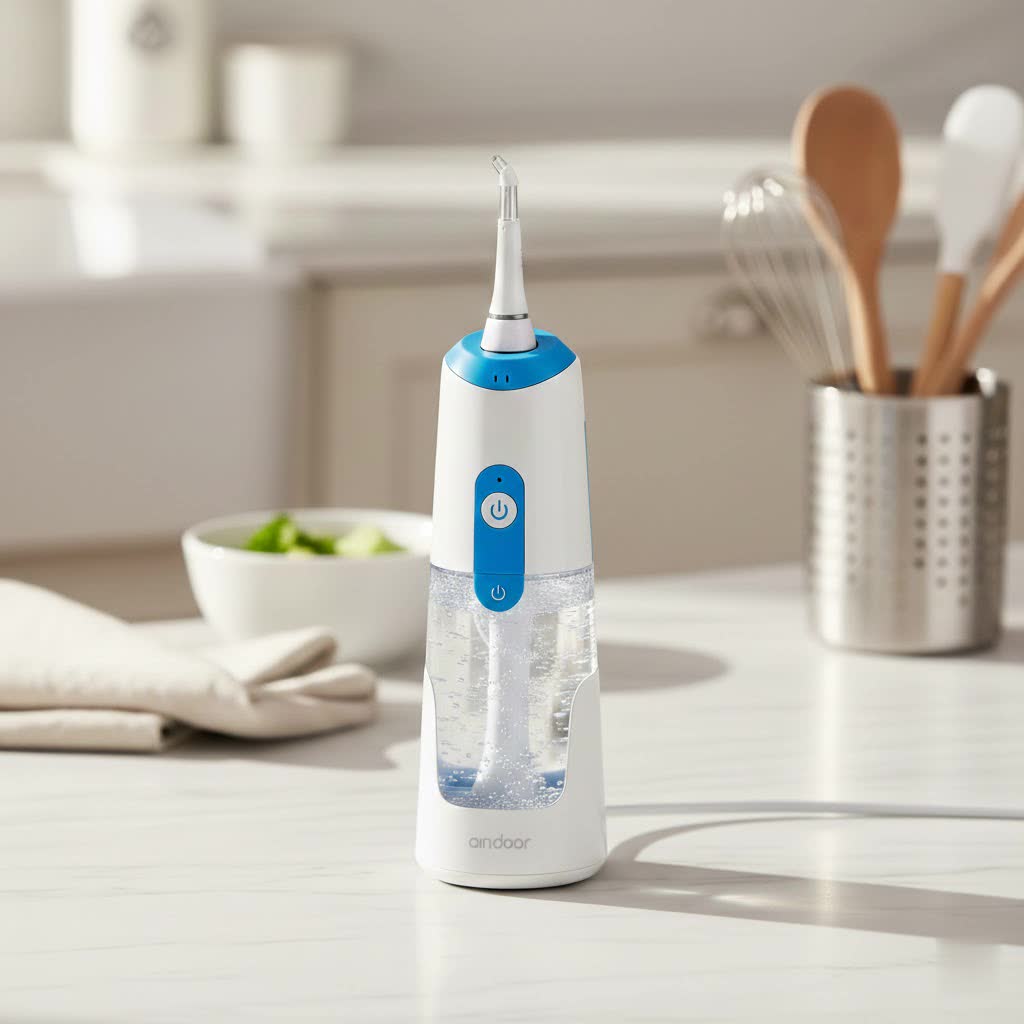
Maintaining optimal oral hygiene is crucial for a bright smile and overall well-being, yet many struggle with traditional flossing. If you’ve ever found string flossing tedious, difficult with braces, or uncomfortable for sensitive gums, a water flosser could be the game-changer you need. These innovative devices offer a powerful yet gentle way to clean between teeth and along the gumline, targeting areas your toothbrush simply can’t reach. This comprehensive guide, crafted by an oral care expert with over a decade of experience, will demystify water flossers, help you understand their benefits, explore the various types, and equip you with the knowledge to select the perfect model for your unique needs. Get ready to transform your daily routine and achieve a remarkably cleaner, healthier mouth.
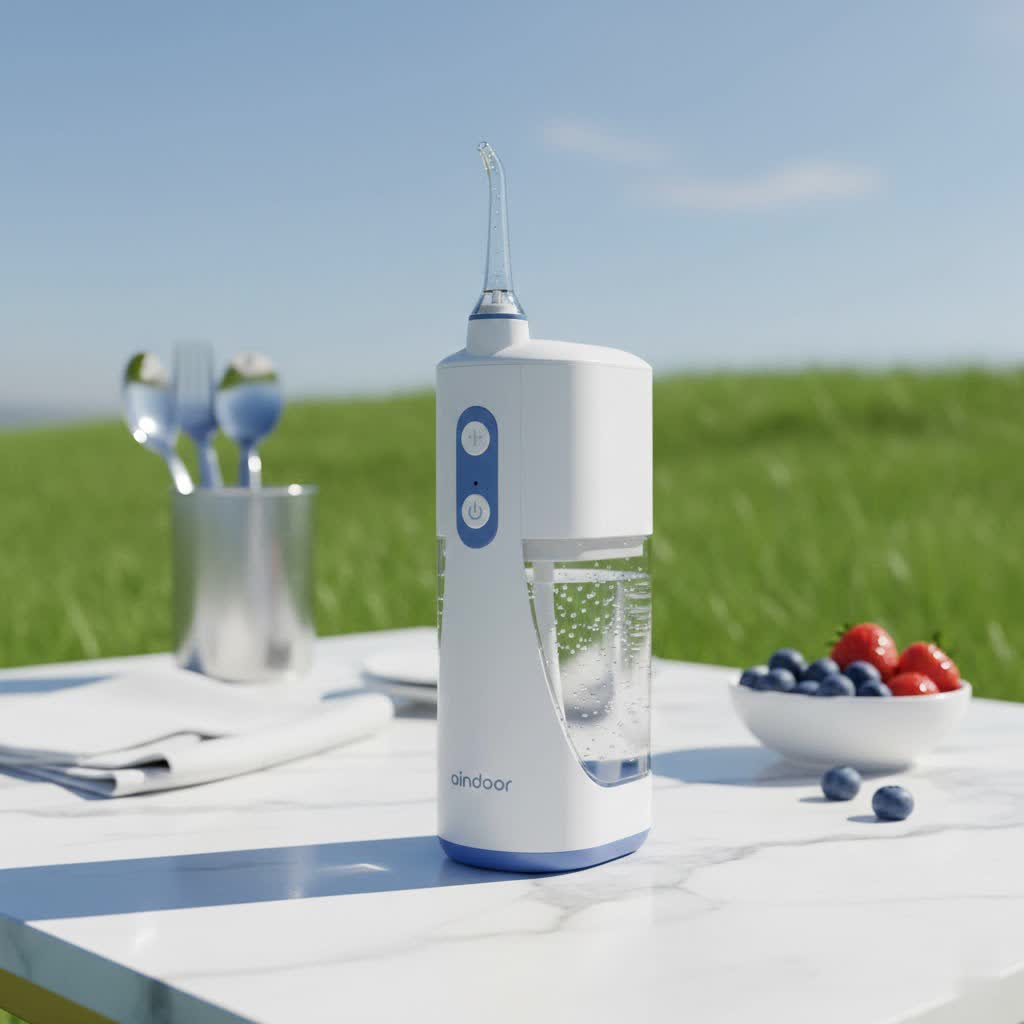
What is a Water Flosser? Your Key to Comprehensive Oral Care
A water flosser, also known as an oral irrigator or dental water jet, is a handheld device designed to spray a pulsating stream of water between your teeth and along your gumline. This stream effectively dislodges food particles, removes plaque, and rinses away bacteria that contribute to gum disease and cavities. Unlike traditional string floss, which relies on a mechanical scraping action, water flossers use hydraulic pressure to clean, making them particularly effective for reaching deep pockets and irregular surfaces.
The benefits of incorporating a water flosser into your daily routine are extensive. They are excellent for promoting gum health by stimulating blood flow, which can reduce inflammation, redness, and bleeding. Scientific studies have shown that water flossers are highly effective in reducing gingivitis and improving overall gum health. For individuals with braces, implants, bridges, crowns, or other dental work, water flossers are often a preferred method, as they can navigate around these structures with ease, clearing debris that string floss might miss. They also tend to be gentler on sensitive gums and are easier to use for those with dexterity challenges, such as arthritis. Many users find water flossing a more pleasant experience, leading to greater consistency in their oral care habits.
Exploring the Types of Water Flossers
Water flossers come in various designs, each offering distinct advantages depending on your lifestyle and preferences. Understanding the differences between popular types can help you make an informed decision.
Portable Water Flossers
Portable water flossers are compact, cordless devices powered by rechargeable batteries, making them ideal for travel or use in smaller bathrooms without ample counter space.
- Pros:
- Portability: Easy to pack and carry, perfect for vacations or gym bags.
- Convenience: No cords to deal with, can often be used in the shower due to waterproof designs.
- Space-saving: Takes up minimal counter space.
- Cons:
- Smaller Reservoir: Requires more frequent refilling during a single flossing session.
- Less Powerful: May have fewer pressure settings or slightly less powerful streams compared to countertop models.
- Battery Life: Needs regular recharging.
- Ideal Users: Frequent travelers, individuals with limited bathroom space, those who prefer cordless convenience, or beginners seeking a simple entry into water flossing.
Countertop Water Flossers
Countertop water flossers are larger units that sit on your bathroom counter and typically plug into an electrical outlet. They feature a larger water reservoir and often offer a wider range of features and pressure settings.
- Pros:
- Larger Reservoir: Generally holds enough water for a complete flossing session without refilling.
- More Powerful and Adjustable: Offers a broader spectrum of water pressure settings and sometimes special modes like gum massage.
- Variety of Tips: Comes with a greater assortment of specialized tips for different oral care needs.
- Consistent Power: No need to worry about battery depletion during use.
- Cons:
- Less Portable: Not designed for travel.
- Takes up Space: Requires dedicated counter space.
- Corded: Requires proximity to an electrical outlet.
- Ideal Users: Families, individuals seeking maximum power and customization, those with specific dental needs (e.g., periodontal pockets, extensive dental work), or anyone who prioritizes a consistent, robust flossing experience at home.
Some advanced models even combine a water flosser with a sonic toothbrush, offering an all-in-one oral care solution for ultimate convenience.
How to Choose the Right Water Flosser for Your Needs
Selecting the ideal water flosser involves considering several factors beyond just type. Here’s a comprehensive guide to help you pinpoint the best device for your unique oral health routine.
Detailed Comparison of Top Water Flosser Models
| Model | Type | Water Pressure Settings | Reservoir Capacity | Nozzle Types | Key Features | Price Range | Best For |
|---|---|---|---|---|---|---|---|
| Waterpik Aquarius Water Flosser | Countertop | 10 | 22 oz | 7 (Classic, Orthodontic, Pik Pocket, Plaque Seeker, Toothbrush, Tongue Cleaner) | Floss & Massage modes, 90-second timer, ADA Seal | $$$ | All-around use, sensitive gums, braces, dental work |
| Philips Sonicare Power Flosser 5000 | Countertop | 10 | 22 oz | 2 (Standard, Quad Stream) | Pulse Wave Technology, Quad Stream tip, Quiet operation | $$$ | Deep cleaning, gum health, quiet preference |
| Aquasonic Aqua Flosser | Portable | 3 (Normal, Soft, Pulse) | 5 oz | 4 (Standard) | Cordless, waterproof, 2-minute timer, 360-degree nozzle | $ | Budget-conscious, travel, beginners |
| Waterpik Cordless Advanced | Portable | 3 | 7 oz | 4 (Classic, Orthodontic, Plaque Seeker) | Cordless, magnetic charger, waterproof, travel bag | $$ | Travel, small bathrooms, braces |
| Bitvae C5 Water Flosser | Portable | 5 | 10 oz | 8 (Standard, Periodontal, Orthodontic, Tongue Cleaner) | 40-day battery, IPX7 waterproof, travel-friendly | $ | Value, long battery life, various tips |
| Soocas NEOS II | Combo (Brush+Flosser) | 3 intensity levels | 1.7 oz (50ml) | Integrated brush/flosser tip | Sonic brushing, IPX8 waterproof, 30-day battery | $$$ | Simplifying routine, travel, advanced users |
Price Range: $=Under $50, $$=$50-$100, $$$=Over $100
Key Factors to Consider
- Water Pressure Settings: A Good Water Flosser offers adjustable pressure levels. Beginners or those with sensitive gums should start with lower settings, while experienced users or those needing a deeper clean might prefer higher pressure. Look for a range of at least 3-10 settings.
- Reservoir Capacity: Countertop models typically have larger reservoirs (20+ ounces) for uninterrupted cleaning. Portable units have smaller tanks (5-10 ounces) which might require refilling mid-session. Consider how much water you need for a comfortable clean.
- Specialized Tips: Different tips cater to specific needs.
- Standard Jet Tips: For general cleaning.
- Orthodontic Tips: Designed to clean around braces.
- Pik Pocket Tips: For reaching deep periodontal pockets.
- Plaque Seeker Tips: Effective for cleaning around implants, crowns, and bridges.
- Tongue Cleaner Tips: To freshen breath.
- Additional Features: Look for features like gum massage modes, built-in timers (often 2-minute, with pauses at 30 or 60 seconds), waterproof designs for shower use, and easy-to-fill reservoirs. Quieter operation can also be a significant plus.
- Brand Reputation and ADA Seal of Acceptance: Trusted brands like Waterpik, Philips Sonicare, and Quip often have models recognized by the American Dental Association (ADA) for safety and effectiveness in reducing plaque and gingivitis. While not all good flossers have the seal, it’s a strong indicator of quality.
- Corded vs. Cordless: Decide if you prefer the consistent power and larger capacity of a corded countertop model or the portability and convenience of a cordless rechargeable unit.
Top-Rated Water Flossers on the Market
Based on expert reviews, user feedback, and effectiveness, here are some of the most popular and highly-rated water flossers available today:
Waterpik Aquarius Water Flosser
The Waterpik Aquarius is often considered the gold standard for countertop water flossers. It boasts 10 pressure settings, two distinct modes (Floss and Hydro-Pulse Massage), and a large 22-ounce reservoir.
- Pros: Highly effective in reducing gingivitis and plaque, wide range of pressure settings, comprehensive set of tips, ADA Seal of Acceptance, pause button on handle.
- Cons: Can be noisy at higher settings, takes up counter space.
- Recommended for: Most users looking for a reliable, powerful, and versatile home water flosser, especially those with sensitive gums or a variety of dental needs.
Aquasonic Aqua Flosser
For those seeking a highly effective portable option at an accessible price point, the Aquasonic Aqua Flosser stands out. It offers three cleaning modes (Normal, Soft, Pulse), a waterproof design, and a convenient 2-minute timer.
- Pros: Excellent value, easy to use, highly portable, good battery life, perfect for beginners and travelers.
- Cons: Smaller reservoir requires refilling, fewer pressure settings than countertop models.
- Recommended for: First-time water flosser users, travelers, and individuals on a budget who don’t want to compromise on effectiveness.
Philips Sonicare Power Flosser 5000
Known for its innovative Quad Stream tip and Pulse Wave technology, the Philips Sonicare Power Flosser 5000 is a premium countertop option designed for thorough cleaning and gum health. It offers 10 intensity settings and two flossing modes.
- Pros: Exceptionally quiet operation, unique Quad Stream tip covers more area, effective plaque removal, sleek design.
- Cons: Higher price point, fewer tip varieties than Waterpik.
- Recommended for: Users prioritizing a quiet experience, those seeking advanced cleaning technology, and individuals focused on superior gum health.
Waterpik Cordless Advanced Water Flosser
Combining portability with advanced features, the Waterpik Cordless Advanced offers three pressure settings, a magnetic charger, and a sleek, waterproof design. It’s a step up from basic cordless models.
- Pros: Cordless convenience, effective cleaning, magnetic charger, good for travel, comes with a travel bag.
- Cons: Smaller reservoir than countertop models, battery life may vary with usage.
- Recommended for: Individuals who need a powerful portable flosser for travel or small bathrooms but still want a strong clean.
Mastering Your Water Flosser: A Step-by-Step Guide
Using a water flosser correctly ensures maximum effectiveness and prevents gum irritation. Follow these steps for an optimal cleaning experience:
- Fill the Reservoir: Remove the reservoir and fill it with lukewarm water. You can also add a dentist-recommended mouthwash for an extra boost of freshness.
- Select a Tip: Choose the appropriate tip for your needs and securely attach it to the handle.
- Adjust Pressure: If you’re a new user or have sensitive gums, start with the lowest pressure setting. Gradually increase it as your gums become accustomed to the sensation.
- Lean Over Sink: Lean over the sink to allow the water to flow out of your mouth, preventing splashes.
- Place Tip: Place the tip in your mouth, aiming it just above your gumline at a 90-degree angle, with the water stream directed towards the space between your teeth.
- Turn On and Guide: Turn on the device. Glide the tip along your gumline and pause briefly between each tooth, allowing the water to clean both the front and back surfaces. Ensure you reach all areas, including the back of your molars.
- Complete the Cycle: Continue until you’ve cleaned all your teeth. Most sessions should last about one to two minutes.
- Empty and Clean: After each use, empty any remaining water from the reservoir and rinse it thoroughly to prevent bacterial growth.
Important Notes:
- Always use lukewarm water; cold water can be uncomfortable for sensitive teeth.
- Do not turn on the device until the tip is in your mouth to avoid spraying water.
- Avoid aiming the water stream directly into gum pockets at high pressure, as this can cause irritation. Angle it towards the gumline.
- For optimal oral hygiene, use your water flosser at least once a day, ideally before brushing to loosen debris for your toothbrush to sweep away.
Where to Buy Water Flossers and What to Expect with Pricing
Water flossers are widely available, offering various options for purchasing and price points to fit different budgets.
Retail Channels
- Online Retailers: Websites like Amazon, Walmart, Target, and the official brand websites (Waterpik, Philips Sonicare) offer the widest selection, competitive pricing, and often user reviews that can help with your decision.
- Electronics Stores: Major electronics retailers may carry a selection of water flossers, especially from well-known brands.
- Drugstores and Supermarkets: Many pharmacies and grocery stores stock basic to mid-range water flossers from popular brands, often conveniently located in the oral care aisle.
- Dental Offices: Your dentist or hygienist might sell or recommend specific models, often with the added benefit of expert advice.
Pricing Insights
The price of a water flosser can vary significantly based on brand, type (portable vs. countertop), features, and included accessories.
- Budget-Friendly Water Flossers (Under $50): These are typically portable models or entry-level countertop units. They offer essential flossing functions but may have fewer pressure settings, smaller reservoirs, or less durable builds. Brands like Aquasonic and Bitvae offer strong contenders in this category.
- Mid-Range Water Flossers ($50-$100): This segment provides excellent value, balancing features and performance. You’ll find popular countertop models like the Waterpik Aquarius and more advanced portable options here, offering multiple pressure settings, various tips, and improved durability.
- High-End Water Flossers (Over $100): These premium devices often include advanced technology, such as sonic brushing capabilities (combo units), ultra-quiet operation, sleek designs, and a wider array of specialized features. Philips Sonicare’s advanced models often fall into this category.
Tips for Saving Money:
- Look for Sales: Major shopping holidays (Black Friday, Prime Day, Cyber Monday) often feature significant discounts on oral care appliances.
- Bundle Deals: Some retailers or brands offer bundles that include a water flosser with extra tips or other oral care products at a reduced price.
- Compare Prices: Always check prices across different retailers, both online and in-store, before making a purchase.
Maintaining Your Water Flosser for Longevity
Proper cleaning and maintenance are essential to ensure your water flosser remains hygienic and functions effectively for years to come. Neglecting maintenance can lead to mineral buildup, reduced performance, or even bacterial growth.
How to Clean Your Water Flosser
- Daily Rinse: After each use, empty any remaining water from the reservoir and rinse it thoroughly with clean water. Allow it to air dry, or wipe it down.
- Weekly Deep Clean (Reservoir): For a more thorough clean, fill the reservoir with warm water and two tablespoons of white vinegar. Run the solution through the unit until the reservoir is empty. Then, rinse the reservoir with plain warm water and run plain water through the unit to flush out any vinegar residue.
- Tip Cleaning: Rinse your water flosser tips under warm water after each use. Replace tips every 3-6 months, or sooner if they become worn or clogged.
- Exterior Wiping: Wipe down the exterior of the unit with a soft, damp cloth regularly to remove toothpaste splatter or water spots.
- Drying: Ensure all parts are thoroughly dry before reassembling or storing to prevent mold and mildew growth.
Common Issues and Troubleshooting
- Reduced Water Pressure: This often indicates mineral buildup. Try a vinegar solution deep clean (as described above). If the problem persists, check for blockages in the hose or tip.
- Leaking: Ensure all connections are secure, especially the reservoir. Check for cracks in the reservoir or hose.
- Unit Not Turning On: For cordless models, ensure it’s fully charged. For corded units, check the power outlet and cord connection.
- Noise Issues: While some noise is normal, excessive or unusual noise might indicate a motor issue or a blockage.
If you encounter persistent issues, refer to your device’s user manual or contact the manufacturer’s customer support.
Your Ultimate Water Flosser Buying Guide
Navigating the world of water flossers can feel overwhelming, but by focusing on your budget and personal oral health needs, you can simplify the decision.
Budget Considerations
- Water Flosser on a Budget: If cost is a primary concern, portable models often provide an excellent entry point without sacrificing essential cleaning power. While they might have fewer features, they still deliver significant benefits for gum health and plaque removal. Look for models like the Aquasonic Aqua Flosser or Bitvae C5.
“You don’t need to break the bank for a good water flosser. Many affordable options deliver powerful cleaning, especially for consistent daily use.” – Dr. Emily R. Chen, Dental Hygienist Specialist
- Mid-Range Water Flosser (Best Value): This category offers the sweet spot between price and performance. You’ll find robust countertop units with multiple pressure settings and various tips, alongside advanced cordless options. These provide durability, reliability, and a comprehensive set of features that cater to most users. The Waterpik Aquarius is a prime example of exceptional value here.
- Premium Water Flosser (Advanced Features): For those seeking the latest innovations, maximum customization, and superior design, premium models are worth the investment. These often include quieter operation, unique flossing technologies (like Philips Sonicare’s Quad Stream), or integrated toothbrush functions, providing a luxurious and highly effective oral care experience.
Personal Needs
- For Beginners: Start with a portable model with fewer settings or a countertop unit on a low-pressure setting. Ease of use and a comfortable experience are key to forming a consistent habit. The Aquasonic Aqua Flosser or Waterpik Cordless Express are good starting points.
- For People with Braces: Orthodontic tips are specifically designed to clean around wires and brackets, making water flossers incredibly effective for brace wearers. Look for models that include these specialized tips, such as the Waterpik Aquarius or Waterpik Cordless Advanced.
- For Sensitive Gums or Periodontal Disease: Gentle pressure settings and specialized Pik Pocket tips are crucial. Water flossers can effectively clean deep gum pockets and reduce inflammation without the abrasive nature of string floss, offering a more comfortable solution. The Waterpik Aquarius, with its range of settings and Pik Pocket tip, is highly recommended.
- For Those with Dental Work (Implants, Crowns, Bridges): Plaque Seeker tips are ideal for cleaning around these dental restorations, ensuring proper hygiene without damaging the work. The pulsating stream is excellent for flushing out debris from hard-to-reach areas.
Conclusion
Choosing the right water flosser is a significant step towards achieving superior oral health. These powerful devices offer an effective, gentle, and often more enjoyable alternative or supplement to traditional flossing, making it easier to maintain clean teeth and healthy gums. By understanding the different types, key features, and how to match a model to your personal needs and budget, you can confidently select a water flosser that will transform your daily dental routine. Embrace the power of the water stream and unlock a fresher, healthier smile.
Are you ready to experience the difference a good water flosser can make in your oral care journey?
Câu Hỏi Thường Gặp
Is a water flosser better than string floss for plaque removal?
While both water flossers and string floss are effective at removing plaque, studies show that water flossers can be more effective in reducing gingival bleeding and inflammation. Water flossers are particularly adept at cleaning deep gum pockets and around dental work, making them a valuable tool for comprehensive oral hygiene. Many dental professionals recommend using both for optimal results.
Can water flossers help with bad breath?
Yes, water flossers can significantly help reduce bad breath. By flushing out food particles, bacteria, and plaque from between teeth and below the gumline, they eliminate many of the sources of odor-causing bacteria in the mouth, leaving your breath feeling fresher.
How often should I use a water flosser?
For optimal oral health, it is generally recommended to use a water flosser at least once a day. Integrating it into your daily routine, ideally before brushing your teeth, will help dislodge debris and maintain clean interdental spaces and healthy gums.
Can I use mouthwash in my water flosser?
Yes, you can use mouthwash in your water flosser. Mixing mouthwash with water in the reservoir can provide an extra layer of freshness and therapeutic benefits, especially if you’re using an antimicrobial mouthwash. Always remember to rinse the reservoir thoroughly with plain water after using mouthwash to prevent residue buildup.
What is the best water flosser for travel?
The best water flossers for travel are typically cordless, compact, and have a good battery life. Models like the Waterpik Cordless Advanced, Aquasonic Aqua Flosser, or Bitvae C5 are excellent choices due to their portability, waterproof designs, and ability to hold a charge for several weeks, making them convenient for on-the-go oral care.
Do dentists recommend water flossers?
Many dentists and dental hygienists highly recommend water flossers, especially for patients with braces, implants, crowns, bridges, or those who struggle with traditional string floss due to dexterity issues or sensitive gums. While they may suggest using string floss in conjunction for cavity prevention, water flossers are widely recognized for their benefits in improving gum health and removing debris.