Navigating life with braces is a transformative journey towards a perfect smile, but it undoubtedly introduces unique challenges to your daily oral hygiene routine. Food particles and plaque have a knack for finding every nook and cranny around brackets and wires, making traditional brushing and flossing a time-consuming and often frustrating task. If you’ve found yourself struggling to maintain optimal cleanliness, a water flosser might be the game-changer you need. This comprehensive guide will explain why water flossers are not just beneficial but essential for braces wearers, help you choose the best model, and provide expert tips for a truly healthy mouth.
Water Flosser: A Complete Oral Care Solution for Braces Wearers
What is a Water Flosser and How Does It Work?
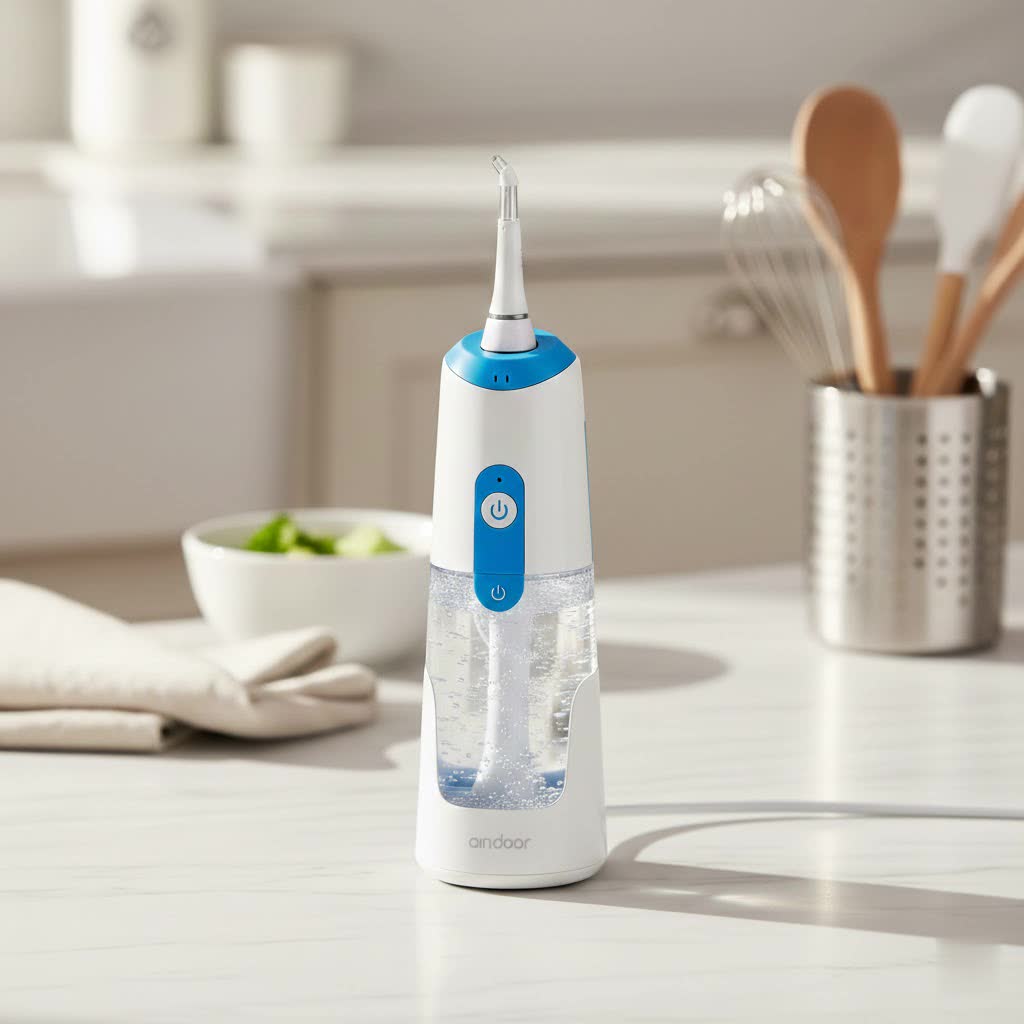
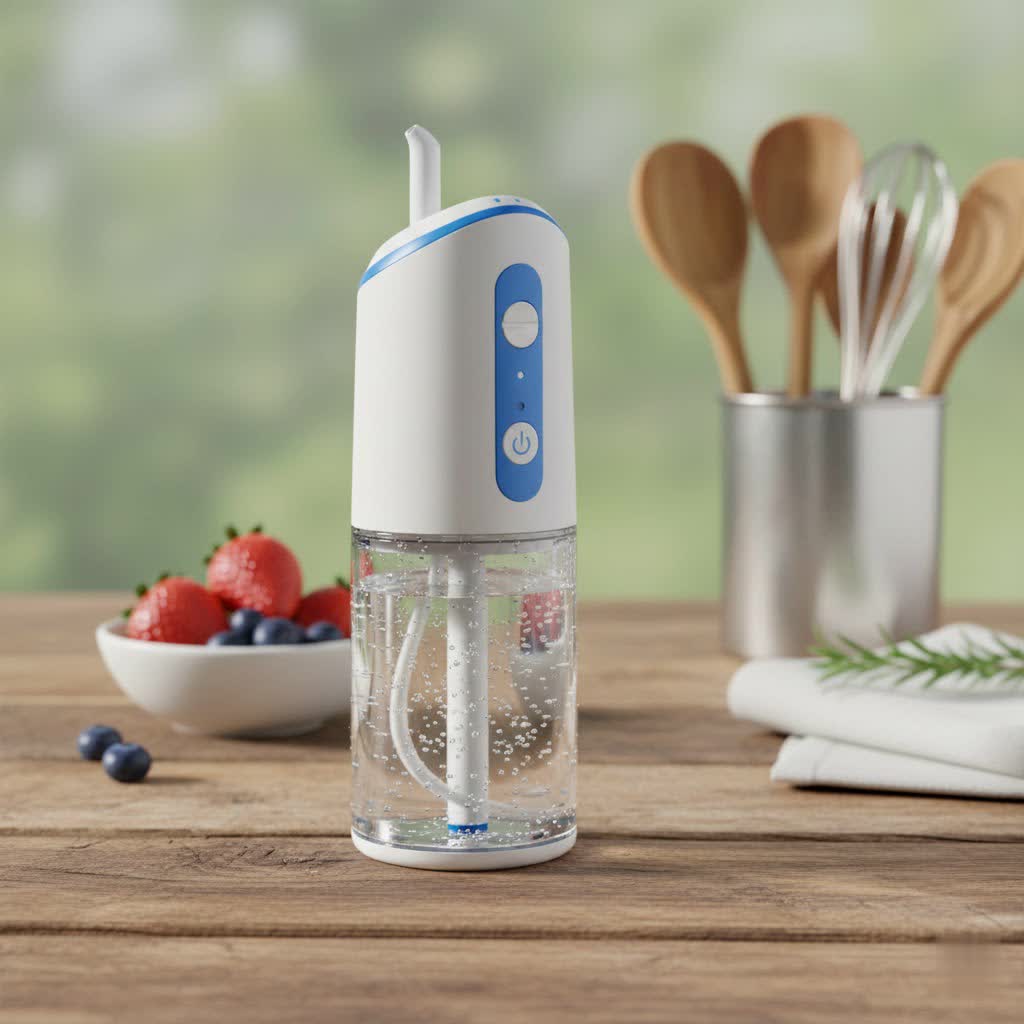
Bảng trống.A water flosser, also known as an oral irrigator, is an electric device designed to complement your brushing routine by using a pressurized stream of water to clean your teeth and gums. It features a motor, a pump, a water reservoir, and a specialized tip that directs the pulsating water. Unlike traditional string floss that requires manual threading around wires, a water flosser simply directs a focused jet of water to dislodge food debris, plaque, and bacteria from between teeth, along the gumline, and, critically, around orthodontic appliances. This mechanism allows for a thorough and gentle clean, reaching areas that are notoriously difficult to access with a toothbrush or string floss when you have braces.
Why is a Water Flosser Essential for Braces?
Wearing braces significantly increases the risk of plaque buildup, gum inflammation (gingivitis), and even decalcification—the white spots that can appear on teeth after braces are removed. Traditional string flossing around wires and brackets can be cumbersome and less effective. This is where a water flosser truly shines, offering several key advantages:
- Superior Plaque and Food Removal: Braces create numerous traps for food particles. A water flosser efficiently flushes out trapped debris and plaque from behind wires and around brackets, significantly reducing the risk of buildup. Independent clinical studies have shown Waterpik Water Flossers to be up to three times more effective than dental floss and up to five times more effective than a manual toothbrush for cleaning around braces.
- Reduced Gum Inflammation: The gentle, pulsating water stream massages the gums, improving circulation and reducing inflammation, which is common in orthodontic patients. For those experiencing gum sensitivity, water flossers offer a less abrasive cleaning option.
- Prevention of Decalcification: By thoroughly removing plaque from around brackets, water flossers help prevent the development of decalcification, protecting your enamel and ensuring a more aesthetically pleasing smile post-braces.
- Easier and Faster Cleaning: Water flossing takes about one minute per day, making it a quicker and simpler alternative to navigating string floss through intricate orthodontic hardware. This ease of use often leads to better compliance with daily oral hygiene routines.
> “Water flossers are not just a convenience for orthodontic patients; they’re a clinical necessity for maintaining optimal gum health and preventing issues like decalcification around brackets. The ability to effectively clean in hard-to-reach areas dramatically improves oral hygiene outcomes.” – Dr. Emily R. Chen, Orthodontic Specialist
Types of Water Flossers
Understanding the different types of water flossers available can help you decide which model best fits your lifestyle and needs while wearing braces.
- Countertop Models: These are typically larger units with a substantial water reservoir and a cord. They often offer the widest range of pressure settings and specialized tips. Countertop models are ideal for consistent, daily use at home, providing continuous power without needing to be recharged. The larger reservoir means fewer refills during a single cleaning session.
- Cordless/Portable Models: Designed for convenience and travel, cordless water flossers are smaller, rechargeable, and battery-operated. While their reservoirs are smaller, requiring more frequent refills, they offer excellent portability for on-the-go cleaning or for use in smaller bathrooms.
- Combination Units: Some advanced systems combine a water flosser with an electric toothbrush, offering an all-in-one oral care solution. These can be a great space-saving option if you’re looking to upgrade both your brushing and flossing tools simultaneously.
Choosing the Right Water Flosser for Braces
Selecting the ideal water flosser involves evaluating specific features that cater to the unique needs of orthodontic patients. Consider these factors before making your purchase:
Key Factors to Consider
- Orthodontic Tips: This is arguably the most crucial feature for braces wearers. Look for models that include, or are compatible with, a specialized orthodontic tip. These tips feature a tapered brush designed to navigate and clean effectively around brackets, wires, and other orthodontic hardware without causing damage.
- Adjustable Pressure Settings: Since braces can sometimes make your gums sensitive, a water flosser with multiple pressure settings is essential. This allows you to start with a gentle stream and gradually increase the intensity as your gums adapt, ensuring comfort while still achieving a thorough clean.
- Reservoir Capacity: A larger water reservoir means you can complete your entire flossing routine without needing to stop and refill, which is particularly beneficial for thorough cleaning around braces. Countertop models generally offer larger capacities.
- Portability and Size: If you travel frequently or have limited counter space, a cordless or compact model might be more suitable. However, for a robust daily routine at home, a countertop unit often provides more features and power.
- Additional Features: Consider features like hydro-pulse massage modes for gum stimulation, built-in timers for optimal flossing duration, magnetic charging (for cordless models), and ease of cleaning for the unit itself to prevent mineral buildup.
Detailed Comparison of Top Water Flossers for Braces
| Feature / Model | Waterpik Aquarius WP-660 | Philips Sonicare Power Flosser 5000 | Oclean W10 Cordless | Waterpik Cordless Advanced 2.0 | Aquasonic Aqua Flosser |
|---|---|---|---|---|---|
| Type | Countertop | Countertop | Cordless | Cordless | Cordless |
| Pressure Settings | 10 (10-100 PSI) | 10 Intensity Settings | 5 Modes (5-level pressure) | 3 Settings | 3 Modes |
| Reservoir Capacity | 22 oz (650 mL) | 18.6 oz (550 mL) | 6.7 oz (200 mL) | 7 oz (207 mL) | 5 oz (150 mL) |
| Special Tips | Orthodontic tip, Plaque Seeker | Orthodontic nozzle, F1 Standard | Orthodontic tip | Orthodontic tip | Orthodontic tip |
| Unique Features | Hydro-pulse massage, ADA Accepted | Quad Stream technology, Magnetic dock | Gravity ball design, IPX7 | Rapid magnetic charge, Quiet | Travel pouch |
| Ideal For | Home use, comprehensive cleaning | Efficient plaque removal | Portability, daily use | Travel, small bathrooms | Budget-conscious, basic use |
Top Water Flossers Recommended for Braces
Based on expert reviews, user feedback, and features crucial for braces, here are some of the most favored water flossers on the market:
- Waterpik Aquarius WP-660: Often cited as the gold standard for braces wearers, the Aquarius offers 10 pressure settings (from 10-100 PSI), an orthodontic tip specially designed to clean around brackets and wires, and a generous 22-ounce reservoir for two minutes of continuous flossing. Its hydro-pulse massage mode also helps soothe inflamed gums.
- Philips Sonicare Power Flosser 5000: This countertop model is praised for its impressive cleaning efficiency and versatility. It boasts 10 intensity settings and two flossing modes, including a “Deep Clean” mode, making it an excellent choice for thoroughly cleaning around orthodontic appliances.
- Oclean W10 Cordless Water Flosser: A fantastic portable option, the Oclean W10 is recommended by dentists for daily braces care. It features five cleaning modes and comes with an orthodontic tip. Its compact size makes it ideal for those needing a reliable flosser on the go.
- Waterpik Cordless Advanced 2.0: For those prioritizing portability without sacrificing power, this cordless model is a top contender. It’s rechargeable, quiet, and comes with an orthodontic tip, making it perfect for travel or smaller bathrooms. Its rapid magnetic charging system is also a convenient feature.
- Aquasonic Aqua Flosser: If you’re looking for an effective yet budget-friendly option, the Aquasonic Aqua Flosser is a strong choice. Simple to use and efficient, it provides a solid water flossing experience for maintaining oral hygiene with braces without a hefty price tag.
How to Use a Water Flosser with Braces Correctly
Using your water flosser effectively with braces is key to maximizing its benefits. Follow these steps for an optimal clean:
- Prepare Your Flosser: Fill the reservoir with lukewarm water. If recommended by your dentist, you can also use a small amount of ADA-accepted mouthwash. Firmly place the reservoir on the base.
- Select the Right Tip: Attach the specialized orthodontic tip to the handle. If your model has interchangeable tips, ensure the orthodontic one is securely in place.
- Adjust Pressure: Start with the lowest pressure setting, especially if you’re new to water flossing or have sensitive gums. You can gradually increase the pressure as you become more comfortable.
- Position Yourself: Lean over the sink and place the tip into your mouth, closing your lips slightly around it to prevent splashing while allowing water to flow into the sink.
- Begin Flossing: Turn on the machine. Starting with your back teeth, aim the tip towards your gumline at a 90-degree angle. Gently glide the water stream along your gumline and carefully around each bracket and wire. Pause for approximately two seconds on each tooth, allowing the water to flush out debris.
- Work Systematically: Move methodically from tooth to tooth, covering both the front and back surfaces of your teeth and braces. Don’t forget the chewing surfaces.
- Empty and Clean: Once you’ve cleaned all your teeth, turn off the device, empty any remaining water from the reservoir, and air dry the unit to prevent bacterial growth.
Important Note: Remember to replace your orthodontic tip every three months, just as you would your toothbrush head, to ensure optimal performance and hygiene. You can use your water flosser either before brushing to remove larger food particles or after brushing to clean any remaining debris between teeth and braces.
Where to Buy and Expected Pricing
Water flossers are widely available, making them accessible to most consumers. You can find them through various channels:
- Online Retailers: Websites like Amazon, Best Buy, and the official manufacturer websites (Waterpik, Philips Sonicare, Oclean, Oral-B) offer a broad selection, competitive pricing, and often user reviews.
- Brick-and-Mortar Stores: Major retailers like Target, Walmart, and drugstores such as CVS or Walgreens typically carry a range of popular water flosser brands. You might also find them at specialized dental supply stores.
Pricing varies significantly depending on the brand, features, and type of water flosser:
- Budget-Friendly Water Flossers: Expect to pay between $40 and $60 for basic yet effective cordless models like the Aquasonic Aqua Flosser.
- Mid-Range Water Flossers: Most popular countertop and advanced cordless models, such as the Waterpik Aquarius or Philips Sonicare Power Flosser 5000, typically range from $60 to $100. These often provide a good balance of features and value.
- Premium Water Flossers: High-end models with advanced technology, larger capacities, or combination units can cost upwards of $100.
Keep an eye out for sales and promotions, especially around holidays, to get the best deal on your chosen water flosser.
Cleaning and Maintaining Your Water Flosser
Proper maintenance of your water flosser is crucial for its longevity and hygienic operation.
- Daily Cleaning: After each use, empty any remaining water from the reservoir. You can also rinse the reservoir with warm water. Leave the reservoir lid open to allow it to air dry, preventing mold and mildew growth.
- Cleaning the Handle and Tip: Wipe down the handle and hose regularly. Remove the tip and rinse it under running water.
- Deep Cleaning/Descaling: Over time, mineral deposits can build up, especially if you live in an area with hard water. Every 1-3 months, deep clean your unit:
- Add 2 tablespoons of white vinegar to a full reservoir of warm water.
- Run the solution through the unit until the reservoir is half empty.
- Pause the unit and let it sit for 20 minutes to allow the vinegar to break down deposits.
- Run the remaining solution through the unit.
- Rinse by filling the reservoir with plain warm water and running it through the system.
- Tip Replacement: As mentioned, replace your orthodontic tips every three months for optimal cleaning performance.
Buying Guide: Tailoring Your Choice
Your personal circumstances and preferences should guide your final decision when choosing a water flosser for braces.
Budget
- Water Flosser on a Budget: If affordability is your primary concern, look for simpler, reliable cordless models. They may have fewer pressure settings or a smaller reservoir but still deliver effective cleaning for braces.
- Mid-Range Value: This segment offers the best balance of features, performance, and price, with models like the Waterpik Aquarius providing comprehensive care without breaking the bank.
- Premium Features: For those who want the latest technology, multiple modes, larger capacities, or integrated solutions, investing in a high-end countertop or combination unit will provide superior functionality.
Personal Needs
- For Beginners or Sensitive Gums: Opt for a model with a wide range of adjustable pressure settings, allowing you to start very gently and increase intensity as you get used to it.
- For Travelers: A compact, cordless, and rechargeable model is indispensable. Look for good battery life and easy portability.
- For Comprehensive Oral Health: If you want to integrate an electric toothbrush, consider a combination unit. If you simply want maximum cleaning power and features at home, a top-tier countertop model will be your best bet.
- For Families with Braces: A countertop model with a large reservoir and multiple interchangeable tips can be a cost-effective solution for several family members using braces.
Frequently Asked Questions
Can a water flosser damage braces?
No, when used correctly, a water flosser will not damage your braces. In fact, many models come with specialized orthodontic tips designed specifically to clean around brackets and wires safely and effectively. Always start with a low-pressure setting and gradually increase it.
How often should I use a water flosser with braces?
For optimal oral hygiene, it is recommended to use your water flosser at least once daily, preferably after brushing. Some orthodontists even suggest using it after every meal to quickly remove trapped food particles.
Can I use mouthwash in my water flosser?
Yes, you can use an ADA-accepted mouthwash in your water flosser, either alone or diluted with water. This can provide added antibacterial benefits and a fresher feeling. Always rinse the unit thoroughly with plain water after using mouthwash to prevent buildup.
Is a water flosser a replacement for brushing and string floss with braces?
A water flosser is a powerful adjunct to your oral hygiene routine, not a complete replacement. It significantly enhances cleaning around braces, but you should still brush twice daily with a soft-bristled toothbrush and consult your orthodontist about the necessity of supplemental string flossing with a floss threader for interdental cleaning.
Conclusion
Living with braces requires a dedicated approach to oral hygiene, and a water flosser emerges as an indispensable tool in this journey. By effectively removing plaque and food debris from hard-to-reach areas, reducing gum inflammation, and preventing common orthodontic complications like decalcification, a water flosser offers superior cleaning and a healthier, more comfortable experience. With various types and features available, choosing the right model tailored to your needs—whether it’s a powerful countertop unit, a portable cordless device, or one with specialized orthodontic tips—is simpler than ever. Investing in a quality water flosser is an investment in your long-term oral health and the radiant smile you’re working so hard to achieve. Which water flosser will you choose to transform your oral care routine?