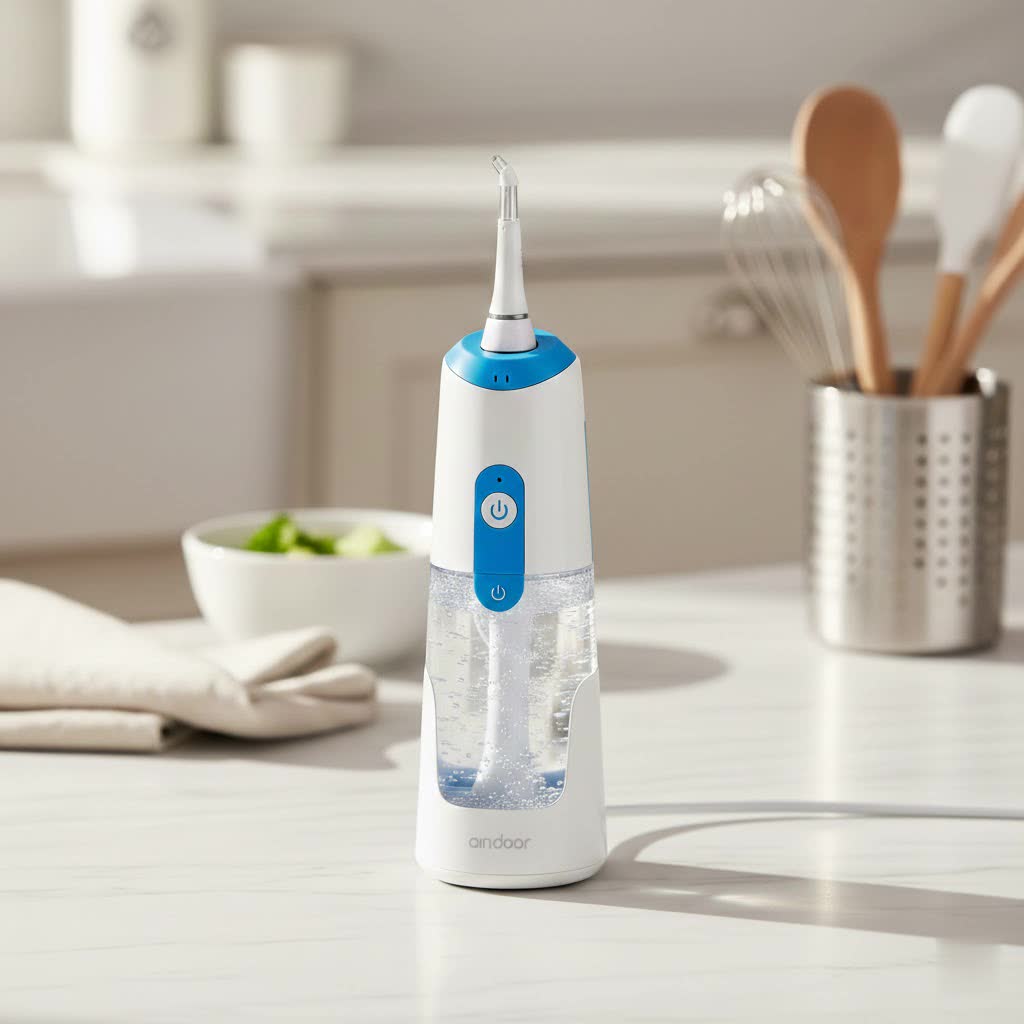
Are you tired of the endless struggle with traditional string floss, or perhaps you’re looking for a more efficient way to maintain a truly dazzling smile? Embracing a Handheld Water Flosser can revolutionize your daily oral hygiene routine, reaching areas your toothbrush often misses and providing a refreshing clean that string floss simply can’t match. As an Admin for ReviewGeh.com with over a decade of specialized experience in dental care technology, particularly water flossers, I’m here to navigate you through the world of these innovative devices. This comprehensive guide will equip you with the knowledge to choose, use, and maintain the perfect handheld water flosser for your unique needs, ensuring your journey to optimal oral health is both effective and enjoyable.
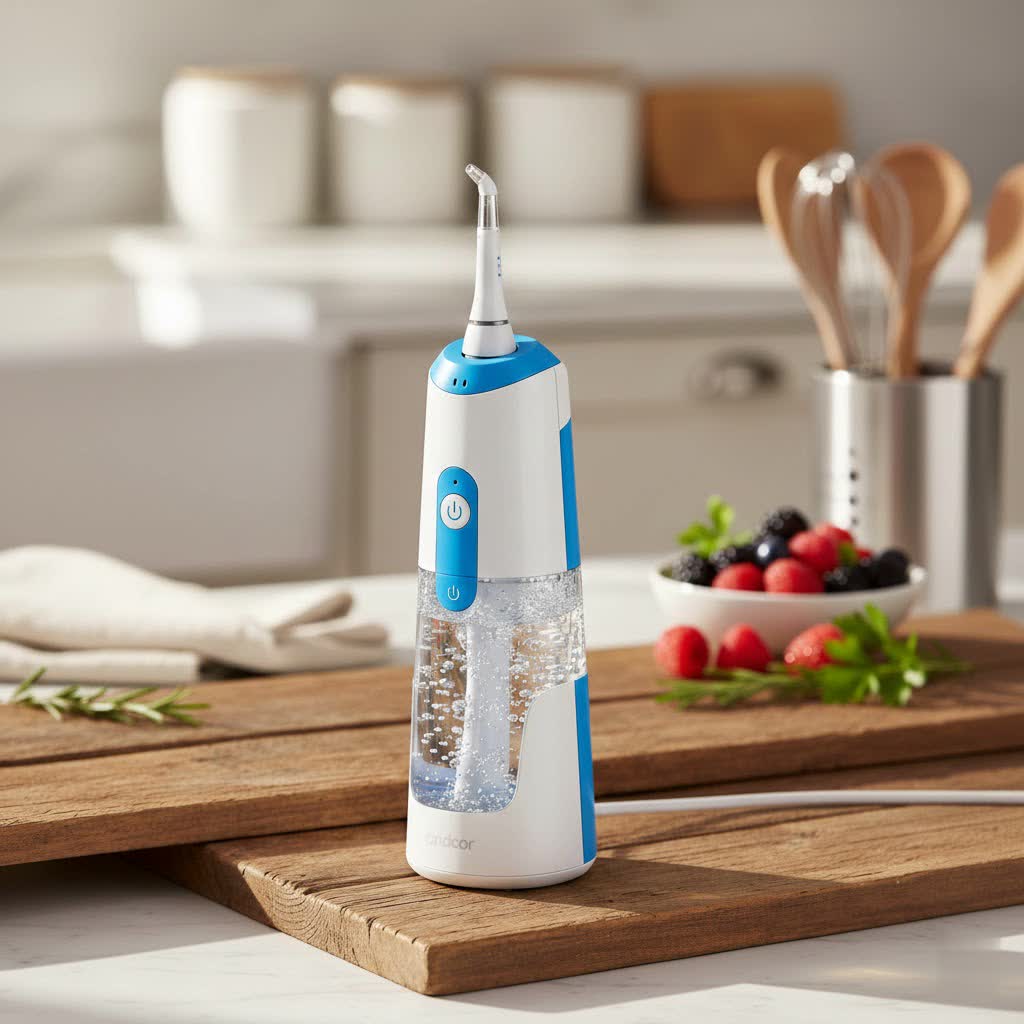
What is a Water Flosser? Why You Need One?
A water flosser, also known as a dental water jet or oral irrigator, is a device that uses a stream of pulsating water to remove food particles, plaque, and bacteria from between teeth and below the gumline. It works by directing a fine, pressurized jet of water into the crevices of your mouth, dislodging debris and gently massaging your gums. This mechanism offers a distinct advantage over manual brushing and string flossing, which can often struggle to reach every nook and cranny, especially in hard-to-access areas.
The benefits of incorporating a water flosser into your routine are significant. Beyond superior plaque removal, these devices are clinically proven to improve gum health, reducing bleeding and inflammation. For individuals with dental braces, implants, crowns, or bridges, a water flosser is a game-changer, easily cleaning around orthodontic hardware and dental work where string floss might be cumbersome or ineffective. Moreover, people with dexterity issues, such as arthritis, often find water flossing much easier and more comfortable than traditional methods, promoting consistent and thorough oral care. The convenience and effectiveness of a water flosser encourage a more regular and enjoyable flossing experience, contributing significantly to overall oral hygiene.
Handheld vs. Countertop Water Flossers: Which is Right for You?
When considering a water flosser, you’ll primarily encounter two types: handheld (cordless) and countertop (corded) models. Each offers distinct advantages and disadvantages, making the choice dependent on your lifestyle and specific needs.
Handheld Water Flossers: Freedom and Flexibility
Handheld water flossers are compact, battery-powered devices designed for ultimate portability and convenience. They are often referred to as cordless water flossers, emphasizing their freedom from electrical outlets during use.
Pros:
- Portability & Travel-Friendly: Their compact size and lightweight design make them ideal for travel, easily fitting into luggage or a carry-on, ensuring your oral hygiene doesn’t skip a beat wherever you go.
- Shower-Safe: Many models are waterproof, allowing for mess-free flossing in the shower, which can integrate seamlessly into your daily routine.
- Space-Saving: Perfect for smaller bathrooms or those who prefer a clutter-free countertop, as they can be stored away easily.
- Maneuverability: The cordless design offers greater freedom of movement around the mouth.
Cons:
- Smaller Water Reservoir: Typically have smaller tanks, often requiring one or more refills per flossing session, which can interrupt your routine.
- Battery Life: Rechargeable batteries mean you need to remember to charge the device regularly, though some models offer extended battery life.
- Generally Lower Pressure: While effective, the water pressure might be less powerful compared to some countertop units, which could be a factor for those desiring the deepest possible clean.
Countertop Water Flossers: Power and Performance
Countertop water flossers are larger, plug-in devices that sit on your bathroom counter. They are known for their robust performance and feature-rich designs.
Pros:
- Larger Water Capacity: Feature substantial reservoirs, allowing for uninterrupted flossing sessions and fewer refills, even for multiple users or thorough cleans.
- Stronger Water Pressure: Often deliver a more powerful and consistent water stream, providing an intensive cleaning experience.
- More Pressure Settings: Tend to offer a wider range of pressure settings, from gentle to maximum, allowing for greater customization.
- No Battery Worries: Plug directly into an outlet, so you never have to worry about the battery running out mid-session.
Cons:
- Less Portable: Their size and cord dependency make them unsuitable for travel and less convenient for moving between bathrooms.
- Requires Counter Space: They demand dedicated space on your bathroom counter, which might be an issue in smaller living arrangements.
- Tethered to Outlet: Usage is restricted to areas near an electrical outlet.
Detailed Comparison: Handheld vs. Countertop Water Flossers
| Feature | Handheld Water Flosser | Countertop Water Flosser |
|---|---|---|
| Portability | Excellent (travel-friendly, compact) | Poor (fixed, bulky) |
| Water Tank | Smaller (often requires refills) | Larger (fewer refills) |
| Water Pressure | Good (effective for most, generally lower) | Excellent (stronger, more consistent) |
| Power Source | Rechargeable Battery (needs charging) | Corded (plug-in, consistent power) |
| Space Required | Minimal (easy to store) | Significant (takes up counter space) |
| Noise Level | Generally quieter | Can be louder |
| Best For | Travelers, small bathrooms, shower-users | Families, extensive cleaning, multiple users |
Ultimately, if flexibility, portability, and space-saving are your top priorities, a handheld water flosser is likely the ideal choice. If maximum power, larger capacity, and a fixed bathroom setup are more important, a countertop model might be preferred.
How to Choose the Best Handheld Water Flosser
Selecting the right handheld water flosser involves considering several key features to ensure it meets your dental needs and lifestyle.
Key Factors to Consider:
- Water Pressure Settings: Look for models with multiple pressure settings. This allows you to start with a gentle stream, especially if you have sensitive gums or are new to water flossing, and gradually increase the intensity as your gums adapt. Adjustable pressure is crucial for comfort and effectiveness.
- Tank Capacity: Handheld models inherently have smaller reservoirs. Consider how many seconds of flossing time a full tank provides. Most offer 30-45 seconds, which might require refilling for a thorough, full-mouth clean. Balance portability with your desired flossing duration.
- Battery Life & Charging: An excellent handheld water flosser will offer a decent battery life – ideally lasting at least a week or two on a single charge for daily use. Check the charging method (USB-C is convenient for travel) and charging time.
- Nozzle Tips: Different tips serve different purposes.
- Standard jet tips are for general cleaning.
- Orthodontic tips are designed to clean around braces and wires effectively.
- Plaque seeker tips target areas around implants, crowns, and bridges.
- Pik Pocket™ tips deliver therapeutic rinses into periodontal pockets. Ensure the model you choose comes with or supports the tips relevant to your oral health needs.
- Portability & Design: Since you’re opting for a handheld model, evaluate its size, weight, and ergonomic grip. Is it comfortable to hold? Is it truly compact enough for your travel bag? Many shower-safe models are also popular for minimizing mess.
- Brand Reputation & ADA Seal: Opt for reputable brands known for dental products. While not all water flossers carry the American Dental Association (ADA) Seal of Acceptance, those that do have undergone rigorous testing for safety and effectiveness.
Buying Guide by Personal Needs:
- For Travelers: Prioritize models with excellent battery life, a compact design, a travel case, and versatile charging options (e.g., USB). A shower-safe feature is a bonus for easy use on the go.
- For Braces & Orthodontics: Look for models that specifically include or offer orthodontic tips. The pulsating water stream is highly effective at dislodging food from brackets and wires, making daily cleaning much simpler.
- For Sensitive Gums: Choose a flosser with very gentle pressure settings. Starting with the lowest setting and gradually increasing is key to a comfortable experience. Look for features like “massage mode” for gentle gum stimulation.
- For First-Time Users: An easy-to-fill reservoir, intuitive controls, and a good range of pressure settings are beneficial. Cordless models can offer a less intimidating introduction due to their simplicity and maneuverability.
Budget Considerations:
- Entry-Level (Under $50): Often provide basic functionality with fewer pressure settings and smaller tanks. Good for trying out water flossing.
- Mid-Range ($50-$100): Offer a better balance of features, battery life, pressure options, and durability. This category often provides the best value.
- Premium (Over $100): Feature advanced technology, superior battery life, multiple specialized tips, ergonomic designs, and often come from leading brands with strong warranties.
Top Handheld Water Flossers Recommended for a Healthier Smile
Based on current market offerings, expert reviews, and user feedback, here are some of the top handheld water flossers that stand out:
-
Waterpik Cordless Advanced Water Flosser (WP-560/580 Series):
- Pros: Highly effective, compact, multiple pressure settings (3 levels), various tips (including orthodontic and plaque seeker), good battery life (up to 4 weeks), waterproof for shower use. Known for its strong performance despite being cordless.
- Cons: Reservoir may still need refilling for a complete clean.
- Ideal for: General users, travelers, individuals with braces/implants.
-
Philips Sonicare Cordless Power Flosser 3000:
- Pros: Excellent ergonomic design, good reservoir capacity for a cordless unit (enough for a minute-long session), multiple intensity settings and two modes (Clean, Deep Clean), easy to fill. Dentist recommended.
- Cons: Can be pricier than some alternatives.
- Ideal for: Users seeking a premium feel, customizable cleaning, and consistent performance.
-
Coslus Water Flosser:
- Pros: Often praised for being more affordable while still delivering noticeable freshness. Features effective plaque removal.
- Cons: Specific features and tip variety can vary by model.
- Ideal for: Budget-conscious buyers looking for reliable performance.
-
Quip Rechargeable Cordless Water Flosser:
- Pros: Sleek, minimalist design, very compact and genuinely travel-friendly. Simple to use, making it great for beginners or those who prefer fewer bells and whistles.
- Cons: May have fewer advanced features or pressure settings compared to other top-tier models.
- Ideal for: Minimalists, frequent travelers, and those new to water flossing.
-
Bitvae C5 Cordless Water Flosser:
- Pros: Often cited as a great value option with good pressure settings and decent battery life. Generally comes with a variety of tips.
- Cons: Brand recognition might be lower than Waterpik or Sonicare.
- Ideal for: Value seekers, offering a solid feature set at a competitive price point.
When choosing from these top models, consider which specific features align best with your priorities – whether it’s battery life, pressure customization, tip variety, or overall design.
Mastering Your Handheld Water Flosser: A Step-by-Step Usage Guide
Using a handheld water flosser correctly is essential to maximize its benefits and avoid gum irritation. Here’s how to integrate it effectively into your oral hygiene routine:
-
Preparation:
- Fill the Reservoir: Detach the water reservoir and fill it with lukewarm water. While you can use mouthwash, plain lukewarm water is usually sufficient and helps prevent mineral buildup in the device.
- Attach the Tip: Firmly click your chosen flosser tip (e.g., standard, orthodontic) into the handle.
-
Positioning:
- Lean Over the Sink: Before turning it on, lean over the sink. This allows the water to flow directly into the drain and prevents splashing water around your bathroom.
- Place Tip in Mouth: Place the flosser tip into your mouth, aiming it at your gumline. Partially close your lips around the tip to further minimize splashing, but allow water to flow from your mouth into the sink.
-
Flossing Technique:
- Turn On the Unit: Power on your water flosser, starting with the lowest pressure setting if you’re new to it or have sensitive gums. You can gradually increase the pressure as you get comfortable.
- Aim at the Gumline: Direct the water stream at a 90-degree angle to your teeth, focusing on the gumline.
- Move Slowly: Begin with your back teeth and slowly glide the tip along the gumline, pausing briefly (about two seconds) between each tooth, both on the front and back surfaces. Ensure the stream reaches the space between your teeth and under the gumline.
- Duration: Aim for a full-mouth clean, which typically takes about one to two minutes.
Important Tips for Optimal Results:
- Avoid Looking in the Mirror: While it might feel natural, watching in the mirror can cause you to hold the flosser at incorrect angles. Focus on the sensation and the path of the water stream.
- Keep the Unit Upright: For consistent water flow, especially with gravity-fed handheld models, keep the unit upright during use.
- Floss Before or After Brushing: While some studies suggest flossing before brushing removes more plaque, you can use your water flosser either before or after brushing your teeth. Many find flossing before brushing helps loosen debris for the brush to sweep away.
- Don’t Forget the Back: Remember to clean the back surfaces of your teeth, particularly molars, which are often overlooked.
With practice, using a handheld water flosser will become a quick and intuitive part of your daily routine, leaving your mouth feeling incredibly fresh and clean.
Where to Buy Handheld Water Flossers? Price Ranges?
Handheld water flossers are widely available, both online and in physical stores, making it easy to find a model that fits your budget and preferences.
Where to Buy:
- Online Retailers: Major e-commerce platforms like Amazon, eBay, and Walmart.com offer a vast selection of handheld water flossers from various brands. These sites often feature competitive pricing, customer reviews, and detailed product comparisons.
- Brand Websites: Leading manufacturers such as Waterpik, Philips Sonicare, and Oral-B often sell directly through their official websites. This can be a good source for the latest models, exclusive bundles, and direct warranty support.
- Electronics Stores: Retailers like Best Buy may carry a selection of oral care devices, including higher-end handheld water flossers.
- Drugstores & Supermarkets: Pharmacies and large grocery stores (e.g., Walgreens, CVS, Target) often stock popular models, providing a convenient option for in-person shopping.
General Price Ranges:
The price of handheld water flossers can vary significantly based on brand, features, and technology.
- Budget-Friendly ($30 – $60): These models are great for those new to water flossing or on a tight budget. They typically offer essential functions, 2-3 pressure settings, and a basic set of tips. Brands like Bitvae and some generic options fall into this range.
- Mid-Range ($60 – $100): This category includes popular models from reputable brands like Waterpik and Philips Sonicare. You’ll find more advanced features, improved battery life, a wider array of pressure settings, and often more specialized tips for specific needs (e.g., braces).
- Premium ($100+): High-end handheld water flossers boast cutting-edge technology, superior build quality, exceptional battery life, extensive customization options, and often come with travel cases and a full suite of specialized tips.
Tips for Saving Money:
- Look for Sales: Keep an eye out for seasonal sales, holiday discounts, and special promotions offered by retailers and manufacturers.
- Bundle Deals: Sometimes, brands offer bundles that include a water flosser with extra tips or a compatible electric toothbrush at a reduced price.
- Read Reviews: Before purchasing, always check customer reviews to ensure the chosen model offers good value for its price and meets expectations for durability and performance.
Investing in a handheld water flosser is an investment in your oral health, and with a bit of research, you can find a high-quality device that fits your budget perfectly.
Keeping It Clean: Maintenance for Your Handheld Water Flosser
Regular cleaning and proper maintenance are crucial to ensure your handheld water flosser remains hygienic, functions effectively, and lasts longer. Neglecting cleaning can lead to mineral buildup (limescale) and bacterial growth, which can impair performance and compromise your oral hygiene.
Daily Maintenance:
- Empty and Rinse the Reservoir: After each use, empty any remaining water from the reservoir. Rinse it thoroughly with warm water to prevent residue buildup.
- Air Dry: Allow the reservoir to air-dry completely before storing it. Keeping it open can help prevent moisture buildup and bacterial growth.
- Clear the Tubing: Run the flosser for a few seconds with an empty tank. This helps to flush out any water remaining in the internal tubing, preventing limescale and mold.
- Rinse Tips: Rinse the flosser tip under running water after every use to remove debris.
Monthly (or Every 1-3 Months) Deep Cleaning:
A more thorough cleaning should be performed regularly, especially if you use tap water, which can be high in minerals.
-
Clean the Reservoir and Valve:
- Remove the reservoir from the unit.
- If your model has a black reservoir valve (often found on Waterpik models), remove it by pushing from underneath. Massage the valve under warm water for 30-45 seconds.
- The reservoir itself can often be placed on the top rack of your dishwasher (remove before the heated dry cycle to air dry) or hand-washed with warm, soapy water. For cordless flossers, a small bottle brush can be useful.
- Reinsert the valve (dome side up) firmly once clean.
-
Clean Internal Parts (Descaling):
- Prepare a cleaning solution: Mix 1 part white vinegar with 2 parts warm water. You can also use a solution of half water and half hydrogen peroxide.
- Fill the reservoir with this solution.
- Run about half of the solution through the flosser into the sink.
- Turn off the unit and allow the remaining solution to sit in the flosser for 10-20 minutes. This helps dissolve mineral deposits.
- Run the rest of the solution through the unit until the reservoir is empty.
- Rinse thoroughly: Fill the reservoir with a full tank of clean, warm water and run it through the unit to flush out any vinegar or peroxide residue.
-
Clean Exterior and Handle:
- Wipe the outside of your handheld water flosser with a soft cloth and a non-abrasive cleanser. Avoid harsh chemicals that could damage the finish.
-
Deep Clean Tips:
- Remove the flosser tips and soak them in a container of white vinegar or hydrogen peroxide for 5-7 minutes.
- Rinse them thoroughly under warm water afterward.
When to Replace Tips:
Flosser tips should be replaced every 3 to 6 months, or sooner if they become worn or damaged, to ensure optimal performance and hygiene.
Important Warning: Avoid using mouthwash containing sugar in your water flosser. Sugary solutions can feed bacteria and mold, leading to buildup and potential damage to your device. Always opt for sugar-free rinses if you choose to use anything other than water, or stick to the recommended vinegar/peroxide cleaning method.
By following these simple cleaning and maintenance steps, your handheld water flosser will continue to provide effective oral care for years to come.
Conclusion
Embracing a handheld water flosser is a powerful step towards achieving and maintaining superior oral health. These compact, portable devices offer a convenient and highly effective way to remove plaque and food debris from between your teeth and below the gumline, areas often missed by traditional brushing and string flossing. Whether you’re a frequent traveler, manage dental braces, or simply seek a more comfortable and efficient cleaning experience, a handheld water flosser provides unparalleled freedom and flexibility.
By understanding the distinct advantages of handheld models, knowing what key features to look for, and committing to proper usage and maintenance, you can unlock the full potential of this dental innovation. It’s an investment that pays dividends in fresher breath, healthier gums, and a visibly cleaner smile. Why settle for less when the path to optimal oral hygiene is so accessible and refreshing?
Frequently Asked Questions
Is a handheld water flosser as effective as string floss?
Many dental professionals agree that water flossers are highly effective, often removing more plaque and significantly reducing gum bleeding than string floss, especially for those with braces or implants. While some experts recommend using both, a handheld water flosser is an excellent alternative for consistent interdental cleaning.
Can I use mouthwash in my handheld water flosser?
Yes, you can use mouthwash in your handheld water flosser, but it is crucial to use a sugar-free, non-foaming variety. After using mouthwash, always run a full reservoir of plain water through the device to rinse out any residue and prevent buildup or bacterial growth.
How often should I use my handheld water flosser?
For optimal oral health, it is recommended to use your handheld water flosser once a day, ideally at night before bed. This helps remove food particles and plaque accumulated throughout the day, ensuring you wake up with a cleaner mouth.
Are handheld water flossers safe for people with braces?
Handheld water flossers are exceptionally safe and highly recommended for individuals with braces. The pulsating water stream effectively cleans around brackets and wires, dislodging food debris and plaque that string floss often struggles to reach. Many models also offer specialized orthodontic tips.
What’s the ideal water temperature for a water flosser?
Using lukewarm water in your handheld water flosser is generally recommended. Cold water can be uncomfortable, especially for sensitive teeth, while hot water could potentially damage the device or irritate your gums.
How long does the battery typically last on a handheld water flosser?
Battery life varies significantly by model and usage, but most quality handheld water flossers can last anywhere from one to four weeks on a single charge with daily use. Always check the manufacturer’s specifications for accurate battery life estimates.
How do I know when to replace my flosser tip?
Flosser tips should generally be replaced every three to six months, similar to toothbrush heads. You should also replace them sooner if you notice any visible wear, damage, or if the water stream appears to be inconsistent.