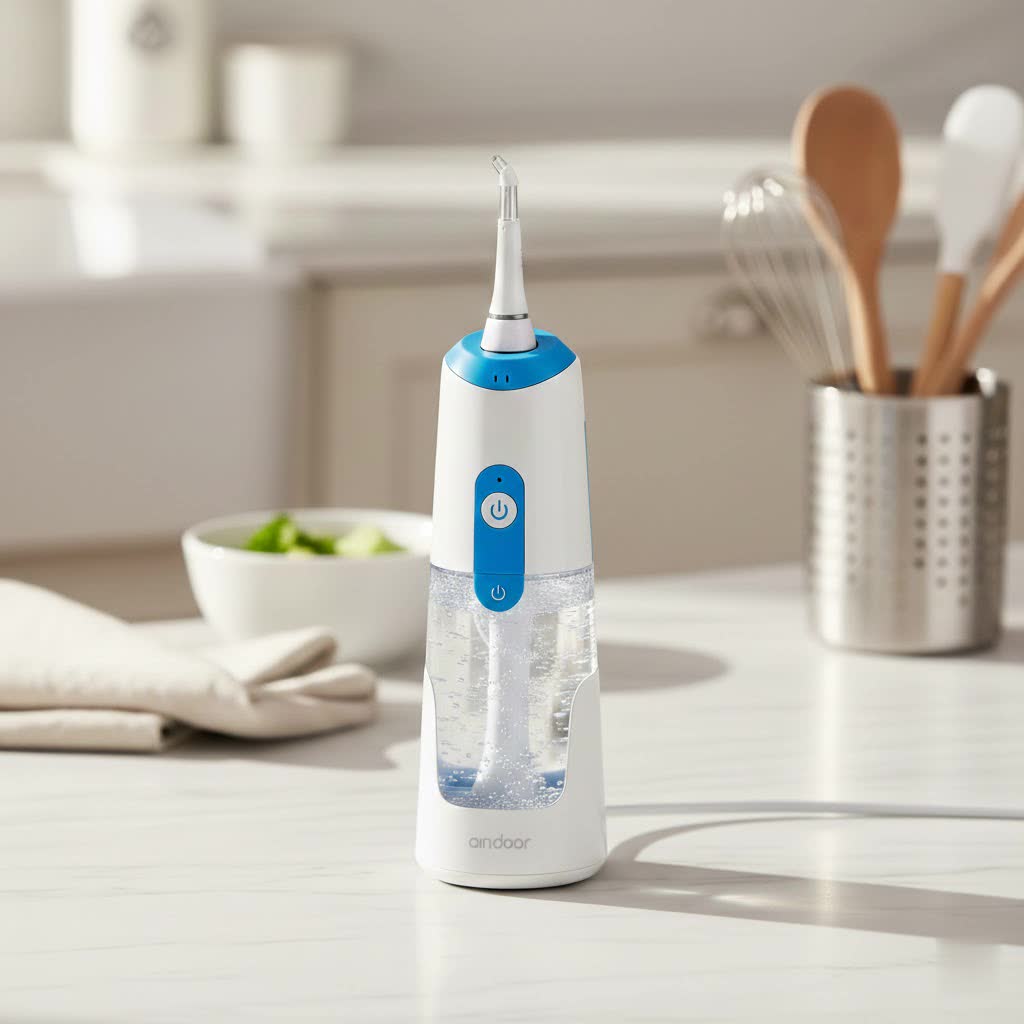
Are you tired of string flossing and looking for a more convenient yet effective way to maintain your oral hygiene, especially when you’re out and about? Traditional string floss can be cumbersome, and full-sized water flossers aren’t always practical for travel or small living spaces. This is where the Mini Water Flosser steps in, offering a powerful and portable solution to keep your smile sparkling and your gums healthy. This comprehensive guide will navigate you through everything you need to know about these compact powerhouses, ensuring you make the best choice for your unique needs.
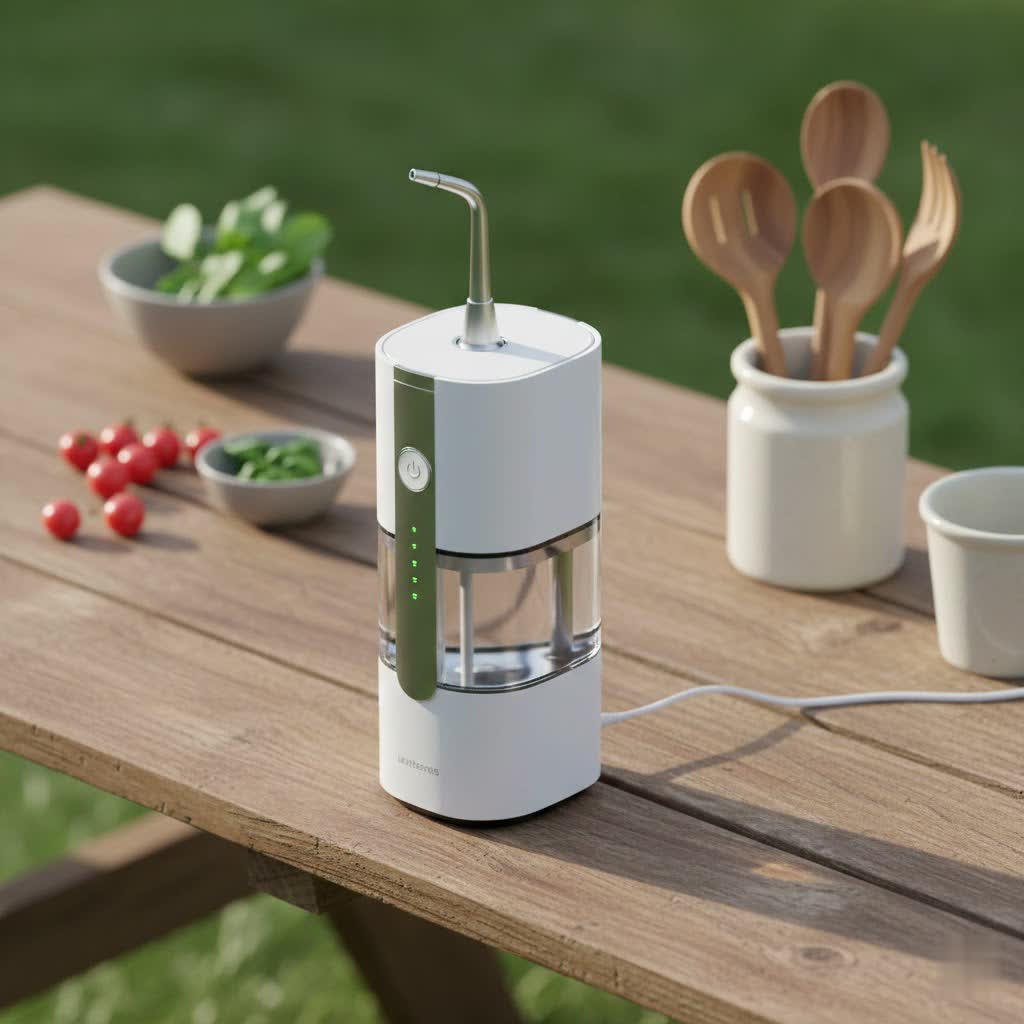
What is a Mini Water Flosser? Why Do You Need It?
A mini water flosser, often synonymous with a portable or cordless water flosser, is a handheld device designed to deliver a targeted stream of pulsating water between your teeth and along your gumline. Unlike string floss that requires manual dexterity to scrape away plaque, a water flosser effectively dislodges food particles and bacteria with its hydrodynamic action. This mechanism reaches areas traditional brushing and flossing might miss, including deep gum pockets, making it an invaluable tool for comprehensive oral care.
The benefits of incorporating a mini water flosser into your daily routine are extensive. It significantly outperforms string floss in removing plaque and reducing gingivitis, leading to healthier gums and fresher breath. Many users find water flossing gentler on their gums, with the pulsating water flow providing a soothing massage that enhances blood circulation and minimizes inflammation. This makes it particularly beneficial for individuals with sensitive gums, gum disease, dental implants, or orthodontic appliances like braces, where navigating around wires and brackets with string floss can be challenging and less effective. Ultimately, a mini water flosser offers superior cleaning efficiency and ease of use, making consistent oral hygiene more achievable for everyone.
Types of Water Flossers
Water flossers primarily come in two categories: countertop and portable. While countertop models typically offer larger reservoirs and more robust pressure settings, mini water flossers fall into the portable category, prioritizing compactness and convenience.
Portable (Cordless) Water Flossers
Portable water flossers are designed for ultimate flexibility. They are battery-operated, eliminating the need for a constant power outlet, and feature smaller, integrated water reservoirs. This makes them ideal for travel, use in small bathrooms, or even in the shower, as many models are waterproof.
- Advantages:
- Portability: Lightweight and compact, easily fits into travel bags or small bathroom cabinets.
- Convenience: Cordless operation allows for use anywhere, including in the shower.
- Ease of Use: Simple to operate, often with just a few pressure settings.
- Gentle: Excellent for sensitive gums, braces, and dental work due to adjustable pressure.
- Disadvantages:
- Smaller Reservoir: Requires more frequent refilling during a single flossing session.
- Less Powerful: May have fewer pressure settings and slightly less power than countertop models.
- Battery Dependence: Requires regular charging, and battery life can vary.
Compact Countertop Water Flossers (Brief Mention)
Some brands offer “mini” or “nano” countertop water flossers. These are corded but have a significantly smaller footprint than traditional countertop models. They aim to bridge the gap between powerful countertop performance and space-saving design, though they are not truly “portable” in the way cordless models are. They might suit those with very small bathroom counters who don’t need to travel with their device.
How to Choose the Right Mini Water Flosser
Selecting the perfect mini water flosser involves weighing several key factors that cater to your specific oral health needs and lifestyle. Consider these elements carefully before making your purchase:
- Water Pressure Settings: A good mini water flosser should offer multiple pressure settings, typically ranging from gentle to deep clean. Beginners or those with sensitive gums should start with a lower PSI (Pounds Per Square Inch) setting and gradually increase it. More advanced users might prefer higher pressure for a more intense clean.
- Reservoir Capacity: Given their compact size, mini water flossers have smaller reservoirs, often between 150ml and 200ml (approximately 5-7 ounces). This usually provides about 30-60 seconds of continuous flossing. While this may require a refill for a complete session, a larger capacity within the “mini” category is generally more convenient.
- Nozzle Types: Most mini water flossers come with standard jet tips. However, look for models that include specialized tips for braces (orthodontic tip), periodontal pockets (Pik Pocket tip), or plaque removal (plaque seeker tip). The ability to store nozzles within the device or a travel case is a bonus for portability.
- Battery Life and Charging: As cordless devices, battery life is crucial. Look for models with long-lasting batteries (e.g., several weeks per charge) and convenient charging options like USB-C, which allows for universal charging with your existing adapters.
- Portability Features: Consider the overall size, weight, and any unique travel-friendly designs. Some models feature collapsible bodies (like the Waterpik Cordless Slide or Synhope) and include travel pouches, making them exceptionally easy to pack and carry.
- Brand Reputation and Reliability: Opt for reputable brands known for dental care products, such as Waterpik or Philips Sonicare, as they often offer better warranty support and readily available replacement parts and nozzles. Always check for the American Dental Association (ADA) Seal of Acceptance, which indicates the product’s effectiveness has been scientifically verified.
Detailed Comparison: Top Mini Water Flossers
Here’s a comparison of some highly-rated mini water flossers to help you decide:
| Feature | Waterpik Cordless Advanced 2.0 | Waterpik Cordless Slide Pro | Quip Rechargeable Cordless | Synhope Mini Cordless Portable |
|---|---|---|---|---|
| Type | Compact Cordless | Collapsible Cordless | Compact Cordless | Collapsible Cordless |
| Reservoir Size | 7 oz (207ml) | 6 oz (180ml) | 150ml | 150ml |
| Pressure Settings | 3 (45-75 PSI) | 3 (50-80 PSI) | 2 (Gentle, Deep Clean) | 3 (Up to 140 PSI claimed) |
| Usage Time per Fill | 45-65 seconds | 38-46 seconds | ~40-60 seconds | 30-45 seconds |
| Nozzles Included | 4 | 2 | 1 (rotating) | 4 (only jet stows) |
| Travel Features | Travel pouch | Collapsible, easy drain | USB charging | Collapsible, nozzle storage |
| Approx. Price | $75-$80 | $35 | $78 | Cheaper alternative |
| Key Advantage | Comfortable grip, good battery | Ultra-compact, easy dry | USB-C, sleek design | Very small, budget-friendly |
| Consideration | Still somewhat bulky | Nozzle rotation difficulty | Single nozzle type | Claimed pressure may differ |
Top Mini Water Flossers Currently Popular
Let’s dive deeper into some of the most popular and effective mini water flossers on the market, highlighting their unique selling points and who they are best suited for.
Waterpik Cordless Advanced 2.0 Water Flosser
The Waterpik Cordless Advanced 2.0 is a robust option for those seeking a balance of power and portability. It’s a popular choice for beginners due to its intuitive use and comfortable, lightweight design. With three pressure settings (45-75 PSI) and a 7-ounce reservoir, it offers a solid 45-65 seconds of flossing per fill. The inclusion of a travel pouch and multiple tips makes it versatile. Its ergonomic design and the ease of rotating the nozzle contribute to a thorough cleaning experience, even for those tight-to-reach areas. While not the smallest, its reliable performance and dentist recommendations make it a top contender for daily use and occasional travel.
Waterpik Cordless Slide Professional Water Flosser
For the frequent traveler or those extremely tight on space, the Waterpik Cordless Slide Professional is a game-changer. Its defining feature is its collapsible design, shrinking to roughly the size of a smartphone. This ultra-compact form factor doesn’t compromise on cleaning power, offering three pressure settings (50-80 PSI) and a 6-ounce reservoir for 38-46 seconds of use. A notable design element is its ability to easily dismantle and drain, preventing mildew and making it ready to pack almost immediately after use. While the nozzle might not rotate as freely as other models, its unparalleled portability makes it an excellent compromise for on-the-go oral care.
Quip Rechargeable Cordless Water Flosser
The Quip Rechargeable Cordless Water Flosser stands out for its sleek aesthetic and user-friendly features. It offers two pressure settings—gentle and deep clean—and a 150ml reservoir. Its key advantages include a magnetic 360-degree rotating floss tip, which ensures comprehensive coverage, and convenient USB charging that lasts up to 8 weeks. Users often praise its comfortable grip and the way it leaves teeth feeling exceptionally clean and smooth. It’s an excellent choice for individuals who value design, ease of charging, and effective cleaning without an overwhelming number of settings.
Synhope Mini Cordless Portable Water Flosser
As a more budget-friendly and incredibly compact alternative, the Synhope Mini Cordless Portable Water Flosser offers impressive portability with its collapsible body. It features a 150ml tank and three modes, claiming up to 140 PSI. It comes with various tips, including those for orthodontics and periodontal care, and cleverly allows the standard jet tip to be stowed inside the device for travel. While some users note that its perceived power might not match the claimed PSI, it remains a viable option for those prioritizing maximum compactness and affordability, especially for short trips.
How to Use Your Mini Water Flosser Correctly
Using a mini water flosser effectively can transform your oral hygiene. Follow these steps for optimal results:
- Fill the Reservoir: Detach the reservoir and fill it with lukewarm water. You can also add a small amount of mouthwash for extra freshness, but check your device’s manual first.
- Select Your Tip: Choose the appropriate nozzle for your needs (e.g., standard, orthodontic, periodontal) and securely attach it to the handle.
- Choose a Pressure Setting: If your flosser has multiple settings, start with the lowest pressure to get accustomed to the sensation, especially if you have sensitive gums. Gradually increase the pressure as you become more comfortable.
- Position Yourself: Lean over a sink to prevent splashing. Place the tip of the flosser inside your mouth, pointing it towards your gumline. Close your lips enough to avoid excessive splashing but allow water to flow into the sink.
- Floss Systematically: Turn on the device. Glide the tip along your gumline, pausing briefly between each tooth, on both the front and back surfaces. Ensure the water stream forms a 90-degree angle with your teeth and gums.
- Complete the Routine: Continue until you have cleaned all areas of your mouth. A typical session with a mini water flosser might require a refill of the reservoir.
- Empty and Dry: After use, empty any remaining water from the reservoir and allow it to air dry to prevent mold and bacterial growth.
For best results, dentists often recommend using your water flosser once a day, preferably in the evening after brushing, when salivary flow is reduced. This helps flush away any lingering food particles before bacteria can feed on them overnight.
Where to Buy a Mini Water Flosser? Price Points?
Mini water flossers are widely available, both online and in physical stores, making them accessible to almost everyone.
- Online Retailers: Websites like Amazon, Best Buy, Walmart, and the official brand websites (Waterpik, Philips Sonicare, Quip) offer a vast selection, competitive pricing, and often user reviews that can aid your decision. Keep an eye out for seasonal sales and promotions.
- Physical Stores: Major electronics retailers, pharmacies (e.g., CVS, Walgreens), and even some department stores stock a range of mini water flossers. Buying in-store allows you to physically compare sizes, grips, and features.
Pricing:
The price of mini water flossers can vary significantly based on brand, features, and technology.
- Budget-Friendly ($30-$50): These often include basic cordless models from lesser-known brands or entry-level models from established brands. They typically have fewer pressure settings and a smaller range of features but can still be effective.
- Mid-Range ($50-$80): This category offers a sweet spot between price and performance. You’ll find reputable brands like Waterpik Cordless Advanced and Quip here, providing a good balance of pressure settings, reservoir capacity, and enhanced features like travel pouches and USB charging.
- Premium ($80+): While mini water flossers generally don’t reach the high price points of advanced countertop models, some premium portable options or hybrid devices (like water flosser-toothbrush combos) might fall into this range, offering superior battery life, advanced features, and a more robust build.
To save money, compare prices across different retailers, look for bundle deals, and consider purchasing during major sales events like Black Friday or Prime Day.
Cleaning and Maintaining Your Mini Water Flosser
Proper cleaning and maintenance are crucial for extending the lifespan of your mini water flosser and ensuring hygienic operation.
- Daily Cleaning: After each use, empty the reservoir completely and rinse it with clean water. Allow it to air dry to prevent the buildup of mold and bacteria.
- Tip Cleaning: Rinse the water flosser tip under running water after each use. Replace tips every 3 to 6 months, or sooner if they become damaged.
- Deep Cleaning (Monthly): To prevent mineral buildup and bacteria, perform a deep clean once a month.
- Fill the reservoir with warm water and two tablespoons of white vinegar or a specialized dental appliance cleaning solution.
- Run about half of the solution through the flosser into a sink.
- Pause the device and let the remaining solution sit in the reservoir and internal components for 20-30 minutes.
- Run the rest of the solution through the flosser.
- Rinse by running a full reservoir of clean water through the device.
- Battery Care (for Cordless Models): Follow manufacturer guidelines for charging. Avoid overcharging, and if storing for an extended period, ensure the battery has some charge.
- Troubleshooting Common Issues: If your flosser loses pressure or stops working, first check the reservoir for debris or clogs. Ensure the tip is securely attached and the battery is charged. Regular descaling with vinegar can often resolve pressure issues caused by mineral buildup.
Buying Guide: Your Perfect Mini Water Flosser Awaits
Navigating the options for mini water flossers can be simple once you pinpoint your budget and personal needs.
Budget Considerations:
- Affordable Options (Under $50): Perfect for first-time users or those on a tight budget. These models offer essential flossing capabilities, making oral hygiene more accessible without a significant investment. Expect fewer bells and whistles, but reliable core functionality.
- Mid-Range Value ($50-$80): This segment provides excellent value, combining robust features with a reasonable price. You’ll find models from leading brands with multiple pressure settings, good battery life, and useful accessories, striking a balance between cost and advanced functionality.
- Premium Features ($80+): While fewer mini water flossers fall into this category, these devices offer cutting-edge technology, superior build quality, extended battery life, and potentially unique features like advanced pulsation modes or smart connectivity. They are for those who want the best portable experience available.
Tailoring to Personal Needs:
- For Beginners: Opt for a model with a straightforward design and adjustable pressure settings, allowing you to start gentle and gradually increase intensity. Look for an ergonomic grip for easy handling. The Waterpik Cordless Advanced 2.0 is an excellent starting point.
- For Braces & Orthodontic Work: Water flossers are highly recommended. Choose models with specialized orthodontic tips that are designed to clean effectively around wires and brackets. The powerful jet stream helps dislodge food particles that get trapped, preventing plaque buildup and reducing the risk of gum inflammation.
- For Sensitive Gums: Prioritize a mini water flosser with a wide range of pressure settings, including a very gentle mode. The pulsating action can be less abrasive than string floss, promoting healthier gums without irritation.
- For Frequent Travelers: Compactness and ease of packing are key. Collapsible designs, internal nozzle storage, and USB-C charging capabilities are highly beneficial. The Waterpik Cordless Slide Professional or the Synhope Mini are prime examples.
> “A mini water flosser empowers individuals to maintain consistent oral hygiene, regardless of their location or bathroom size. It’s a crucial tool for preventive care.” – Dr. Sarah Chen, Lead Dentist, Modern Smiles Clinic
Conclusion
The mini water flosser is a powerful and practical tool that revolutionizes daily oral care, especially for those prioritizing convenience and portability. By delivering a targeted stream of water, it effectively removes plaque and food debris, promotes gum health, and freshens breath in ways traditional string floss often can’t. Whether you’re a frequent traveler, have limited bathroom space, or simply seek a gentler yet more effective flossing method, a compact cordless water flosser offers a compelling solution. With various models offering different features, from adjustable pressure to collapsible designs, there’s a mini water flosser perfectly suited to every smile. Investing in one of these innovative devices means investing in a healthier, more confident smile wherever life takes you. What dental advantage will a mini water flosser bring to your routine?
Frequently Asked Questions
Is a mini water flosser as effective as a full-sized countertop model?
While mini water flossers typically have smaller reservoirs and sometimes fewer pressure settings than full-sized countertop models, they are generally just as effective at removing plaque and improving gum health when used correctly. The primary difference lies in convenience and capacity, not necessarily cleaning power.
How often should I use my mini water flosser?
For optimal oral hygiene, it is recommended to use your mini water flosser at least once a day, preferably in the evening after brushing your teeth. Consistent daily use helps prevent plaque buildup and maintains healthy gums.
Can I use mouthwash in my mini water flosser?
Yes, most mini water flossers can be used with mouthwash. However, it’s generally recommended to use a mixture of warm water and a small amount of mouthwash (check your device’s manual for specific instructions). Always rinse the reservoir and internal components thoroughly with plain water after using mouthwash to prevent buildup.
How long does the battery last on a cordless mini water flosser?
Battery life varies significantly by model and usage frequency. Many quality cordless mini water flossers offer several weeks of use on a single charge. Advanced models, like the Quip, claim up to 8 weeks of battery life, making them very convenient for extended travel.
Is a mini water flosser suitable for people with braces?
Absolutely! Mini water flossers are highly recommended for individuals with braces as they can effectively clean around wires and brackets, reaching areas that string floss struggles to access. Orthodontic tips are often available for even better results.