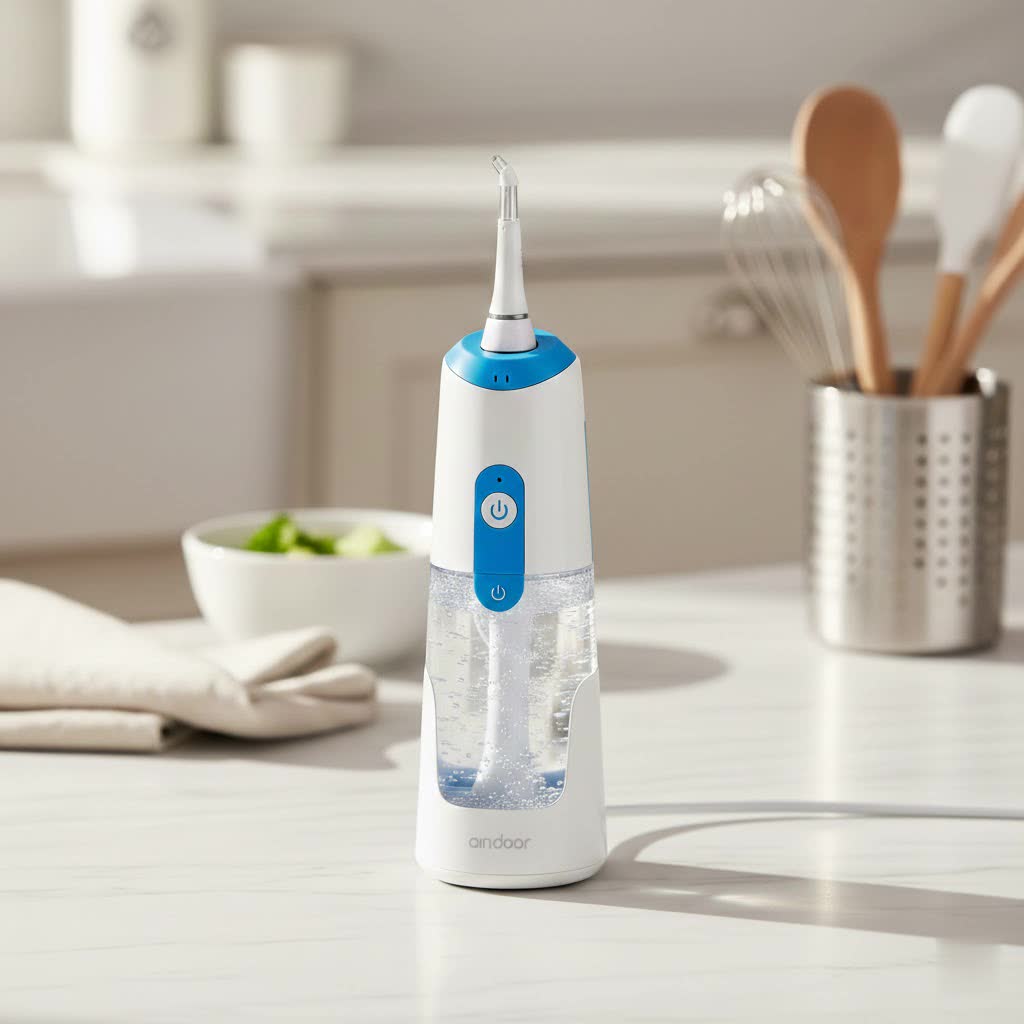
Do you ever feel like traditional string flossing is a chore, difficult to master, or simply doesn’t reach every nook and cranny of your mouth? Many people struggle with conventional flossing methods, leaving behind plaque and food debris that can lead to various oral health issues. Fortunately, modern dental technology offers an innovative and effective solution: the Mouth Water Flosser. This comprehensive guide will explore everything you need to know about water flossers, from how they work and their incredible benefits to choosing the perfect model and maintaining it for a healthier, brighter smile.
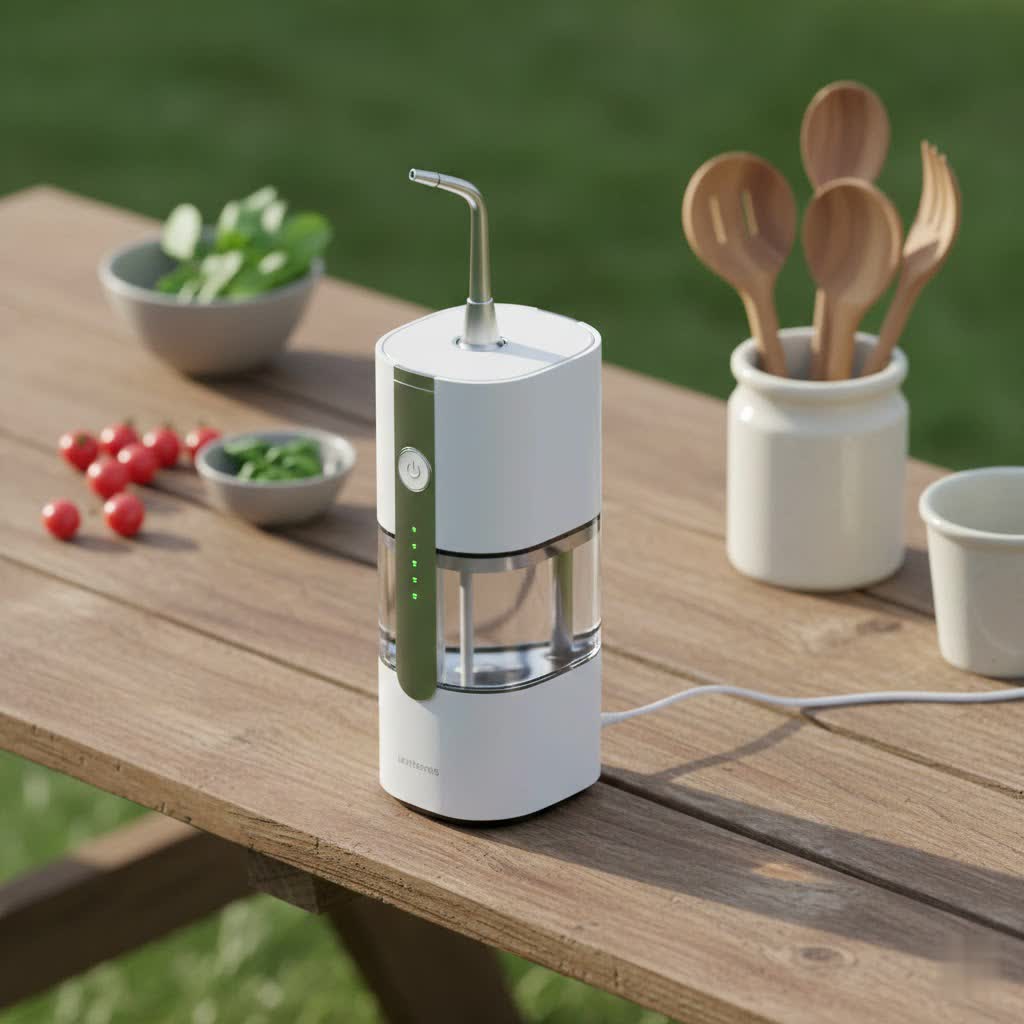
What is a Water Flosser? Why Do You Need One?
A mouth water flosser, also known as an oral irrigator or dental water jet, is a device that uses a pulsating stream of water to clean between your teeth and along your gumline. Its mechanism relies on hydrokinetics – the movement of water – to effectively dislodge food particles, plaque, and bacteria that traditional brushing and flossing might miss. This powerful yet gentle action is a game-changer for maintaining optimal oral hygiene.
Why should you consider adding a water flosser to your daily routine? The benefits are numerous and scientifically supported. Water flossers are particularly effective at reducing plaque biofilm and significantly decreasing gingivitis (gum inflammation) and bleeding gums. Studies have shown remarkable improvements; for instance, some research indicates a 74.4% reduction in whole mouth plaque and an 81.6% reduction in plaque between teeth with water flosser use, surpassing the effectiveness of dental floss in these areas. They are also ideal for cleaning around dental work such as braces, implants, crowns, and bridges, where string floss can be challenging to maneuver. For those with sensitive gums, the pulsating water stream offers a gentler alternative while still providing a thorough clean.
Types of Water Flossers
Water flossers come in different designs to suit various preferences and needs. The two primary types are countertop and cordless models, each offering distinct advantages.
Countertop Water Flossers
These models are typically larger, designed to sit on your bathroom counter, and often plug directly into an electrical outlet.
- Advantages: Countertop units generally boast a larger water reservoir, allowing for longer, uninterrupted flossing sessions without needing to refill. They also tend to offer a wider range of pressure settings, from very gentle to powerful, providing greater customization for different oral care needs. Their stable power supply often translates to more consistent performance and higher water pressure.
- Disadvantages: Their size can take up significant counter space, and their corded design limits portability.
- Best for: Individuals who prefer maximum power and capacity, have ample bathroom space, or those with specific dental conditions requiring varied pressure settings. They are excellent for family use as they often come with multiple tips.
Cordless Water Flossers
Designed for portability and convenience, cordless water flossers are handheld and battery-operated (usually rechargeable).
- Advantages: Their compact size makes them perfect for travel or smaller bathrooms. Many cordless models are shower-safe, allowing for a mess-free flossing experience. They are lighter and easier to hold, which can be beneficial for individuals with dexterity issues.
- Disadvantages: Cordless flossers typically have smaller water reservoirs, meaning you might need to refill them during a single flossing session. They may also offer fewer pressure settings compared to their countertop counterparts, and battery life needs to be managed through regular charging.
- Best for: Travelers, those with limited counter space, individuals who prefer to floss in the shower, or anyone seeking a lightweight and easy-to-handle device.
| Feature | Countertop Water Flosser | Cordless Water Flosser |
|---|---|---|
| Water Reservoir | Large (e.g., 22 oz) for longer use | Smaller (e.g., 7-10 oz) for portability |
| Pressure Settings | More options, higher max pressure (e.g., 10-100 PSI) | Fewer options, potentially lower max pressure |
| Power Source | Plugs into outlet (consistent power) | Rechargeable battery (travel-friendly) |
| Portability | Low (bulky, corded) | High (compact, lightweight) |
| Counter Space | Requires more | Requires less |
| Use Environment | Typically sink-side | Can be used in shower (many models) |
How to Choose the Right Water Flosser
Selecting the best mouth water flosser depends on your unique oral health needs and lifestyle. Consider these factors to make an informed decision:
- Water Pressure and Settings: Look for a model with adjustable pressure settings. If you’re new to water flossing or have sensitive gums, starting with a low-pressure setting is crucial. You can gradually increase the pressure as your gums become accustomed. Many top models offer a wide range (e.g., 10-100 PSI) for optimal customization.
- Reservoir Capacity: This dictates how long you can floss before refilling. Larger reservoirs (20+ ounces) found in countertop models provide a continuous experience, while smaller tanks (under 10 ounces) in cordless models are suitable for quick, portable use but may require refills for a complete session.
- Specialized Tips: Different tips cater to various dental needs.
- Standard Jet Tip: For general everyday cleaning.
- Orthodontic Tip: Designed to clean around braces, wires, and brackets.
- Plaque Seeker Tip: Features fine bristles to target plaque around implants, crowns, and bridges.
- Periodontal Tip: Delivers a gentle stream for deep cleaning periodontal pockets.
- Additional Features:
- Portability & Battery Life: If you travel frequently, a cordless model with a long-lasting rechargeable battery and a travel bag is essential.
- Noise Level: Some models can be quite loud; if quiet operation is important to you, check reviews for noise levels.
- Timers: Built-in timers (often 1-2 minutes) ensure you floss for the recommended duration.
- 360° Rotating Nozzle: This feature allows for easy access to all areas of your mouth, including back teeth.
- ADA Seal of Acceptance: This seal indicates that the product has been scientifically tested and proven safe and effective by the American Dental Association.
- Brand Reputation and Budget: Research reputable brands known for quality and durability. While budget models are available, investing in a well-regarded brand often ensures better performance and longevity.
Top Mouth Water Flossers Recommended for a Healthier Smile
The market offers a variety of excellent water flossers. Here are some top contenders known for their performance and user satisfaction:
- Waterpik Aquarius Water Flosser: Often considered the gold standard, the Aquarius is a countertop model praised for its powerful cleaning, 10 pressure settings, and a generous 22-ounce reservoir. It typically includes seven specialized tips, making it versatile for various needs, including braces and periodontal care. It holds the ADA Seal of Acceptance.
- Waterpik Cordless Advanced/Plus Water Flosser: For those seeking portability, the Cordless Advanced offers a strong performance in a compact, rechargeable design. It’s often shower-safe and comes with multiple tips and a travel bag, making it ideal for on-the-go oral care.
- Philips Sonicare Power Flosser 5000 (or 3000): This line offers both countertop and cordless options with innovative Quad Stream technology for broader cleaning coverage. Known for being quieter than some competitors and excellent for sensitive gums or braces, it provides multiple pressure levels and a sleek design.
- Aquasonic Aqua Flosser: A popular budget-friendly cordless option, it offers good effectiveness with three modes and a 360-degree rotating nozzle. It’s praised for ease of use and value.
How to Use Your Water Flosser Correctly
Using your water flosser properly is key to maximizing its effectiveness and preventing gum irritation. Follow these steps for an optimal cleaning experience:
- Prepare the Device: Ensure your water flosser is clean and the tip is securely attached. Fill the reservoir with lukewarm water to avoid shocking sensitive gums. You can also add a dentist-approved mouth rinse if desired.
- Adjust Pressure: If you’re a first-time user or have sensitive gums, start on the lowest pressure setting. Gradually increase the pressure over time as your gums adapt.
- Position Yourself: Lean over the sink and place the tip in your mouth. Close your lips partially around the tip to prevent splashing while allowing water to flow into the sink.
- Floss Each Tooth: Aim the water jet at a 90-degree angle to your gumline. Start with your back molars and work your way around your mouth, cleaning both the inner and outer surfaces of your teeth. Pause briefly (about two seconds) between each tooth to allow the water to thoroughly clean the area.
- Take Your Time: A complete and effective water flossing session should last 1 to 2 minutes. Don’t rush, as a thorough cleaning ensures maximum plaque and debris removal.
- Do Not Replace Brushing: Remember, a water flosser is a supplement to your brushing routine, not a replacement. Continue to brush your teeth twice daily for comprehensive oral hygiene.
Where to Buy a Water Flosser? Price Ranges Explained
Water flossers are widely available, both online and in physical stores. You can find them at major retailers like Amazon, Target, Walmart, and directly from brand websites such as Waterpik and Philips Sonicare.
- Price Ranges:
- Budget-Friendly ($20 – $50): These often include basic cordless models or entry-level countertop units from lesser-known brands or during sales events. They can be a good starting point for trying water flossing.
- Mid-Range ($50 – $100): This category includes many popular cordless and countertop models from well-known brands like Waterpik and Philips Sonicare, offering a good balance of features, performance, and durability.
- Premium ($100+): High-end models may offer advanced features, larger reservoirs, more tips, smart technology, or come as part of a combined toothbrush-flosser system.
Look for seasonal sales, bundle deals, and compare prices across different retailers to get the best value.
Cleaning and Maintaining Your Water Flosser for Longevity
Proper cleaning and maintenance are crucial to prevent bacterial buildup, limescale, and to ensure your water flosser performs optimally for years to come.
- Daily Routine: After each use, empty any remaining water from the reservoir. Rinse the reservoir thoroughly with warm water and leave the tank door open or reservoir detached to air dry completely. Run the flosser for a few seconds with an empty tank to flush out any water remaining in the tubing and prevent mold growth.
- Monthly Deep Clean: To combat mineral buildup and disinfect the internal components, perform a monthly deep clean. Fill the reservoir with a mixture of one part white vinegar (or hydrogen peroxide) to two parts warm water. Run half of this solution through the unit, then turn it off and let it sit for 20-30 minutes. Run the remaining solution through, then flush the unit by running a full reservoir of clean, warm water through it.
- Clean Tips: Rinse your water flosser tips under running water after each use. Every one to two weeks, soak them in a vinegar and water solution or citric acid solution to remove limescale and bacteria.
- Replace Tips: Water flosser tips should be replaced every 3 to 6 months, as recommended by manufacturers, to ensure maximum effectiveness and hygiene.
Buying Guide: Tailoring Your Water Flosser Choice
Choosing the right water flosser is a personal journey, influenced by your budget and individual oral health requirements.
Budget Considerations:
- Entry-Level (Under $50): These models are great for those new to water flossing or on a tight budget. They offer essential cleaning functions but might have fewer features or smaller capacities.
- Mid-Range ($50 – $100): This category provides excellent value, balancing advanced features with affordability. You’ll find robust countertop and cordless options from reputable brands.
- High-End ($100+): For the ultimate oral care experience, premium models offer superior build quality, extensive features, and often combine flossing with electric brushing capabilities.
Personal Needs:
- For Beginners: Start with a cordless model offering gentle pressure settings. Its ease of handling and portability can make the transition to water flossing smooth and enjoyable.
- For People with Braces: A countertop model with an orthodontic tip and adjustable pressure is highly recommended. The powerful stream effectively cleans around brackets and wires, significantly reducing plaque and gum inflammation.
- For Sensitive Gums: Choose a flosser with multiple, low-pressure settings. Brands like Philips Sonicare are often highlighted for their gentle yet effective cleaning for sensitive mouths.
- For Travelers: Opt for a compact, cordless water flosser with good battery life and a travel bag. Look for models that are shower-safe for ultimate convenience.
> “Water flossing can reach deeper below the gum line than traditional floss, flushing out bacteria and debris that often contribute to gum disease and bad breath. It’s an indispensable tool for enhanced oral health, especially for those with unique dental challenges.” – Dr. Sarah Miller, Periodontist
By considering these aspects, you can confidently select a mouth water flosser that will seamlessly integrate into your routine and significantly elevate your oral hygiene.
In conclusion, incorporating a mouth water flosser into your daily regimen is a simple yet powerful step towards achieving superior oral health. With its proven ability to effectively remove plaque, reduce gingivitis, and clean hard-to-reach areas, a water flosser stands as an invaluable tool alongside your toothbrush. By understanding the different types, choosing a model tailored to your needs, and maintaining it properly, you can unlock a new level of clean and enjoy a healthier, more confident smile. Why wait to experience the refreshing difference a water flosser can make for your oral hygiene?
Frequently Asked Questions
Can a water flosser replace string floss?
No, a water flosser is designed to complement, not entirely replace, traditional string flossing and regular brushing. While highly effective at removing loose plaque and debris, string floss remains crucial for scraping plaque film off tooth surfaces. Many dental professionals recommend using both for comprehensive oral care.
How often should I use a water flosser?
For optimal results, most dental professionals recommend using a water flosser once a day, preferably in the evening, after brushing your teeth. Consistency is key to maintaining good oral hygiene.
Is a water flosser good for sensitive gums?
Yes, water flossers can be excellent for sensitive gums. You can start with the lowest pressure setting and gradually increase it as your gums become accustomed. The pulsating water stream is generally gentler than string floss, which can sometimes cause irritation or bleeding with incorrect technique.
Can I use mouthwash in my water flosser?
Yes, you can use dentist-approved mouthwash in your water flosser. It can enhance the cleaning experience and provide additional benefits, such as freshening breath or delivering therapeutic agents to your gums. Always remember to rinse the reservoir thoroughly with plain water after using mouthwash to prevent residue buildup.