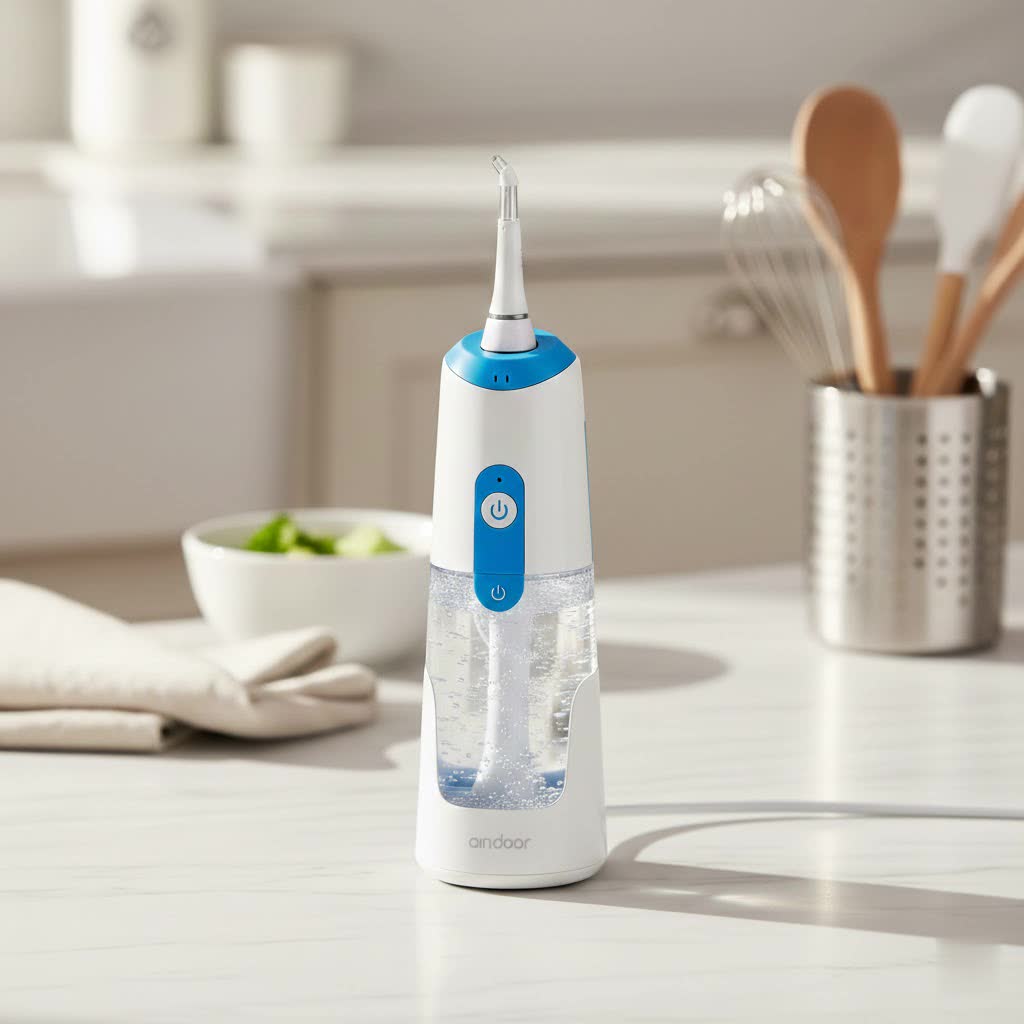
Maintaining optimal oral hygiene is crucial for your overall health, and while brushing and traditional flossing are foundational, many people seek advanced solutions to achieve a truly pristine clean. The Nicwell Water Flosser has emerged as a popular choice, offering a convenient and effective way to elevate your daily dental care routine. This guide will delve deep into what makes the Nicwell Water Flosser a valuable tool, exploring its features, benefits, usage, and how it can contribute to a brighter, healthier smile.
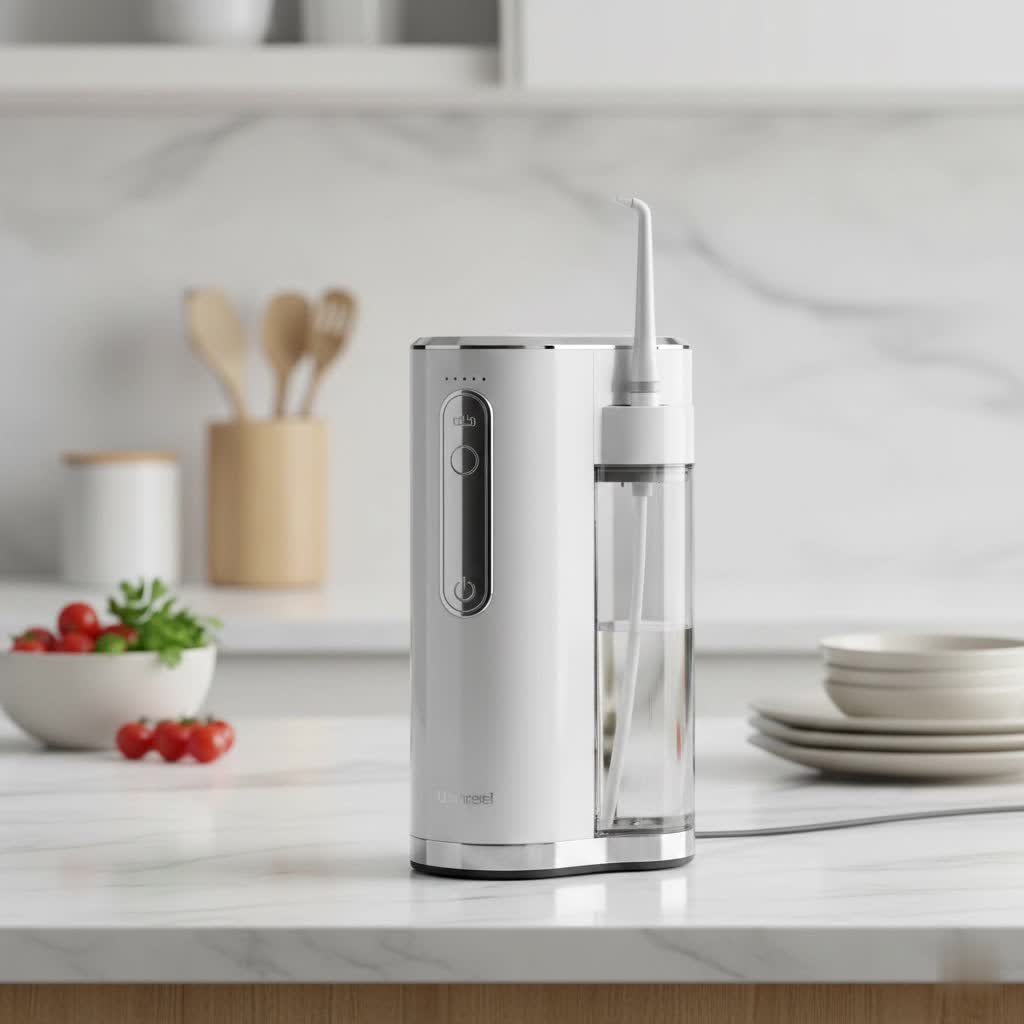
Understanding the Nicwell Water Flosser: What It Is and Why You Need It
A water flosser, also known as an oral irrigator or dental water jet, is a device designed to clean between teeth and below the gumline using a targeted stream of pulsating water. Unlike traditional string floss that physically scrapes surfaces, a water flosser uses hydraulic pressure to dislodge food particles, plaque, and bacteria from hard-to-reach areas. The Nicwell Water Flosser harnesses this technology, providing powerful water pulses ranging from 1400 to 1800 times per minute and water pressure between 30 to 110 PSI to effectively clean your mouth.
The benefits of incorporating a water flosser into your routine extend beyond what a toothbrush alone can achieve. It offers superior cleaning in areas traditional brushing might miss, such as tight interdental spaces and beneath the gumline. For individuals with dental work like braces, implants, crowns, or bridges, a water flosser is particularly advantageous as it can navigate around these structures without snagging or discomfort, providing a thorough clean that string floss often struggles to deliver. Regular use can significantly improve gum health by stimulating circulation and helping to reduce inflammation, ultimately leading to healthier gums and fresher breath.
Unpacking the Nicwell Water Flosser: Key Features and Specifications
The Nicwell Water Flosser stands out with a range of features designed for user convenience and effective oral care. Its thoughtful design aims to make daily flossing an easy and enjoyable part of your routine.
-
Cordless & Portable Design: Engineered for flexibility, the Nicwell Water Flosser is a cordless and lightweight device, making it an excellent companion for travel and ideal for smaller bathrooms where countertop space is limited. Its ergonomic grip ensures comfortable handling during use.
-
Multiple Flossing Modes: To cater to diverse oral health needs, the Nicwell typically offers four distinct cleaning modes:
- Clean Mode: Delivers 1800 pulses per minute for powerful daily cleaning, effectively removing food debris.
- Soft Mode: Provides a gentler 1400 pulses per minute, perfect for sensitive teeth and gums or first-time users.
- Massage Mode: Features a pulsating rhythm between 1400-1800 times per minute to stimulate and massage the gums, promoting better circulation and gum health.
- Custom Mode: Some models offer a customizable setting, allowing users to fine-tune the water pressure across several speeds (e.g., 1-8 speeds) for a truly personalized experience.
-
Powerful Water Pressure & Pulses: The device utilizes an upgraded pulsation technique to deliver high-pressure water pulses (30-110 PSI, 1400-1800 times/min). This strong stream efficiently dislodges hidden food particles, bacteria, and plaque from deep within the oral cavity.
-
Interchangeable Jet Tips: Each Nicwell Water Flosser usually includes five interchangeable jet tips to accommodate various needs and allow for multiple users within a family. These often include standard nozzles for general cleaning, an orthodontic jet tip specifically designed to clean around braces, and a tongue scraper for comprehensive oral freshness. The 360-degree rotatable nozzle further enhances access to all areas of the mouth.
-
Long-lasting Battery Life: Powered by a robust lithium battery, the Nicwell Water Flosser boasts an impressive battery life. A full charge, typically taking about four hours via a USB cable, can provide up to 21 days of continuous use, making it highly reliable for extended trips or busy schedules.
-
IPX7 Waterproof Rating: With an IPX7 waterproof rating, the device is designed to withstand immersion in water, allowing for safe use in the shower and hassle-free cleaning under running water.
-
Detachable Water Tank: The water reservoir is typically detachable, simplifying the refilling process and making it easy to clean and maintain, preventing the build-up of residue.
Nicwell Water Flosser: Pros and Cons
Like any oral care product, the Nicwell Water Flosser comes with its own set of advantages and considerations.
Pros:
- Enhanced Deep Cleaning: Its powerful water jet effectively removes plaque and food debris from areas brushing and string flossing often miss, promoting superior oral hygiene.
- Improved Gum Health: The pulsating action can stimulate gum tissue, enhancing blood circulation and helping to reduce gingivitis and bleeding gums.
- Ideal for Specific Needs: Particularly beneficial for individuals with braces, dental implants, crowns, bridges, or those who find traditional flossing difficult due to dexterity issues.
- Convenient and Portable: The cordless, lightweight design and long battery life make it excellent for travel and everyday use in any bathroom setting.
- Customizable Experience: Multiple modes and interchangeable tips allow users to personalize their flossing experience according to their sensitivity and specific oral care requirements.
- Waterproof Design: IPX7 rating ensures durability and safe use in wet environments like the shower, simplifying the cleaning routine.
Cons:
- Water Tank Capacity: While designed for portability, the 300ml water tank may require refilling during a single flossing session for some users who prefer longer, uninterrupted cleaning.
- Pressure Settings for Some: While offering various modes, some users might find the lowest setting too strong for extremely sensitive gums, while others might desire an even higher pressure for specific deep cleaning needs.
- Not a Complete Replacement for String Floss: Dentists often recommend water flossing as a powerful complement to, rather than a total replacement for, traditional string floss, especially for removing sticky plaque directly between teeth.
- Noise Level: As with many motorized dental devices, some water flossers can produce a noticeable sound during operation.
- Initial Learning Curve: First-time users might experience some splashing or find it takes a few uses to master the technique for optimal effectiveness and mess-free operation.
How to Effectively Use Your Nicwell Water Flosser
Using your Nicwell Water Flosser correctly ensures maximum effectiveness and a pleasant experience. Follow these steps for a thorough clean:
- Prepare the Reservoir: Detach the water tank and fill it with lukewarm water. You can also add a small amount of dentist-recommended mouthwash if desired. Ensure the tank is securely reattached.
- Select a Tip: Choose the appropriate jet tip for your needs (e.g., standard, orthodontic) and firmly insert it into the handle until it clicks.
- Choose Your Mode: Turn on the device and select your preferred mode. If you’re a first-time user or have sensitive gums, start with the “Soft” mode and gradually increase pressure as you get comfortable.
- Position Yourself: Lean over a sink. Place the tip into your mouth, aiming it at your gumline. Close your lips enough to prevent splashing but allow water to flow from your mouth into the sink.
- Begin Flossing: Turn on the water flosser. Start with your back teeth and work your way around, aiming the tip at a 90-degree angle to your gumline. Glide the tip along the gumline, pausing briefly between each tooth to allow the water to thoroughly clean the area.
- Clean All Surfaces: Ensure you clean both the inside and outside surfaces of your upper and lower teeth. Use the 360-degree rotating nozzle to reach all angles.
- Empty and Clean: Once finished, turn off the device, empty any remaining water from the reservoir, and rinse the tank to prevent bacterial growth.
Tips for Optimal Results:
- Start Gentle: Always begin with the softest mode, especially if you have sensitive gums or are new to water flossing.
- Angle Correctly: Aim the water stream at the gumline and slightly between the teeth.
- Keep Moving: Don’t hold the stream in one spot for too long; glide it along your gumline.
- Regularity is Key: For best results, use your Nicwell Water Flosser once a day, ideally after brushing.
Who Benefits Most from the Nicwell Water Flosser?
While beneficial for almost anyone looking to enhance their oral hygiene, certain individuals will find the Nicwell Water Flosser particularly revolutionary for their dental care.
- Individuals with Braces or Orthodontics: The intricate wires and brackets of braces create numerous traps for food particles. The specialized orthodontic tip and powerful water stream can effectively dislodge debris from around these devices, which is notoriously difficult with traditional floss.
- Those with Implants, Crowns, or Bridges: Water flossers are excellent for cleaning around complex dental work, ensuring plaque and bacteria don’t accumulate in hard-to-reach areas and compromise the longevity of these restorations.
- People with Sensitive Gums or Gum Disease: The massaging action of the water stream can be gentler than string floss for inflamed or sensitive gums, while still promoting healing and reducing bacterial load that contributes to gingivitis.
- Anyone Seeking Enhanced Daily Oral Hygiene: Even without specific dental concerns, a water flosser offers a deeper clean, removing more plaque and food particles than brushing alone, leading to fresher breath and a healthier mouth.
- Travelers: Its compact, cordless design and long battery life make the Nicwell Water Flosser an ideal travel companion, ensuring consistent oral care wherever you go.
- Individuals with Dexterity Issues: For those who struggle with the manual manipulation required for string flossing, a water flosser provides an easier and more accessible method of interdental cleaning.
Comparing Nicwell: What to Look for in a Water Flosser
When considering a water flosser like the Nicwell, it’s helpful to understand the key factors that differentiate models and ensure you choose the best device for your needs.
- Water Pressure & Pulsations: Look for a range that accommodates both sensitive gums and powerful cleaning. Nicwell’s 30-110 PSI and 1400-1800 pulses/min are a good indicator of its effectiveness.
- Tank Capacity: While larger tanks offer longer continuous use, they compromise portability. Nicwell’s 300ml tank is a common size for cordless models, balancing portability with sufficient cleaning time.
- Number of Modes & Tips: More modes and specialized tips (like orthodontic or tongue scrapers) offer greater versatility for different oral care needs. The Nicwell typically includes multiple tips and modes.
- Battery Life & Portability: For those on the go, a cordless model with a long-lasting battery (like Nicwell’s 21-day life) is crucial.
- Brand Reputation & Price: Researching user reviews and comparing prices across brands helps you assess reliability and value. While Nicwell is a popular portable option, countertop models from brands like Waterpik might offer larger reservoirs and more pressure settings, though at the cost of portability.
- Waterproof Rating: An IPX7 rating (like Nicwell’s) indicates the device can withstand water exposure, crucial for bathroom use and easy cleaning.
Maintenance and Longevity: Keeping Your Nicwell Water Flosser in Top Shape
Proper care and maintenance are essential for extending the lifespan of your Nicwell Water Flosser and ensuring it continues to perform optimally.
- Daily Cleaning: After each use, empty any remaining water from the reservoir. Rinse the tank with clean water to prevent mineral buildup and bacterial growth. For a deeper clean, the detachable tank allows for thorough washing.
- Tip Care: Rinse the jet tip under warm water after each use. Periodically, you can soak tips in a solution of 2 parts water and 1 part white vinegar for 5-7 minutes to remove mineral deposits.
- Device Exterior: Wipe down the exterior of the device with a soft, damp cloth. Avoid abrasive cleaners or harsh chemicals.
- Descaling (Monthly): To prevent mineral buildup in the internal components, fill the reservoir with 2 parts water and 1 part white vinegar. Run the solution through the flosser until the tank is half empty, then turn it off and let it sit for 20 minutes. Finish by running the remaining solution through, and then rinse by running a full tank of clean water through the device.
- Charging Port: Ensure the charging port cover is securely in place when not charging to maintain its waterproof integrity.
- Storage: Store your water flosser in a dry, cool place away from direct sunlight.
Common Issues and Troubleshooting:
- Weak Water Stream: Check if the tip is clogged (clean as described above) or if the reservoir is almost empty. Ensure the battery is fully charged.
- Leaking: Verify that the reservoir is securely attached and that all seals are intact. If leaks persist, check for cracks or damage.
- Device Not Turning On: Ensure the battery is charged. If it still doesn’t turn on, contact customer support.
Conclusion
The Nicwell Water Flosser offers a powerful, convenient, and highly effective addition to your oral hygiene arsenal. With its portable design, multiple cleaning modes, and robust features, it addresses the common challenges of traditional flossing, providing a superior clean for a healthier mouth. Whether you’re managing braces, enhancing your daily routine, or simply seeking a more comfortable way to achieve optimal oral health, the Nicwell Water Flosser proves to be a valuable investment. By understanding its capabilities and following proper usage and maintenance, you can unlock a new level of clean and confidently flash your healthy smile.
Have you experienced the difference a water flosser can make in your oral care routine?
Frequently Asked Questions About the Nicwell Water Flosser
Is the Nicwell Water Flosser better than string floss?
Bảng trống.The Nicwell Water Flosser is highly effective at removing food particles and plaque, especially in hard-to-reach areas like around braces or implants. Many dental professionals recommend using both a water flosser and string floss for comprehensive cleaning, as they target different aspects of interdental hygiene.
How often should I use my Nicwell Water Flosser?
For optimal results, it is generally recommended to use your Nicwell Water Flosser once a day. Integrating it into your evening routine after brushing can significantly enhance your overall oral cleanliness and gum health.
Can I use mouthwash in my Nicwell Water Flosser?
Yes, you can use a small amount of dentist-recommended mouthwash in your Nicwell Water Flosser reservoir. However, always dilute it with lukewarm water and ensure you rinse the reservoir thoroughly with clean water after each use to prevent residue buildup and potential damage to the device.
Is the Nicwell Water Flosser suitable for sensitive teeth?
Absolutely. The Nicwell Water Flosser typically includes a “Soft” mode, which provides a gentle water stream at a lower pressure, making it ideal for individuals with sensitive teeth or gums. It’s recommended to start with this mode and adjust as comfort allows.
How do I charge my Nicwell Water Flosser?
The Nicwell Water Flosser usually charges via a USB cable. Simply plug the USB cable into the charging port on the device, ensuring the port cover is open, and connect the other end to a compatible USB power source, such as a wall adapter or computer. A full charge generally takes about four hours.