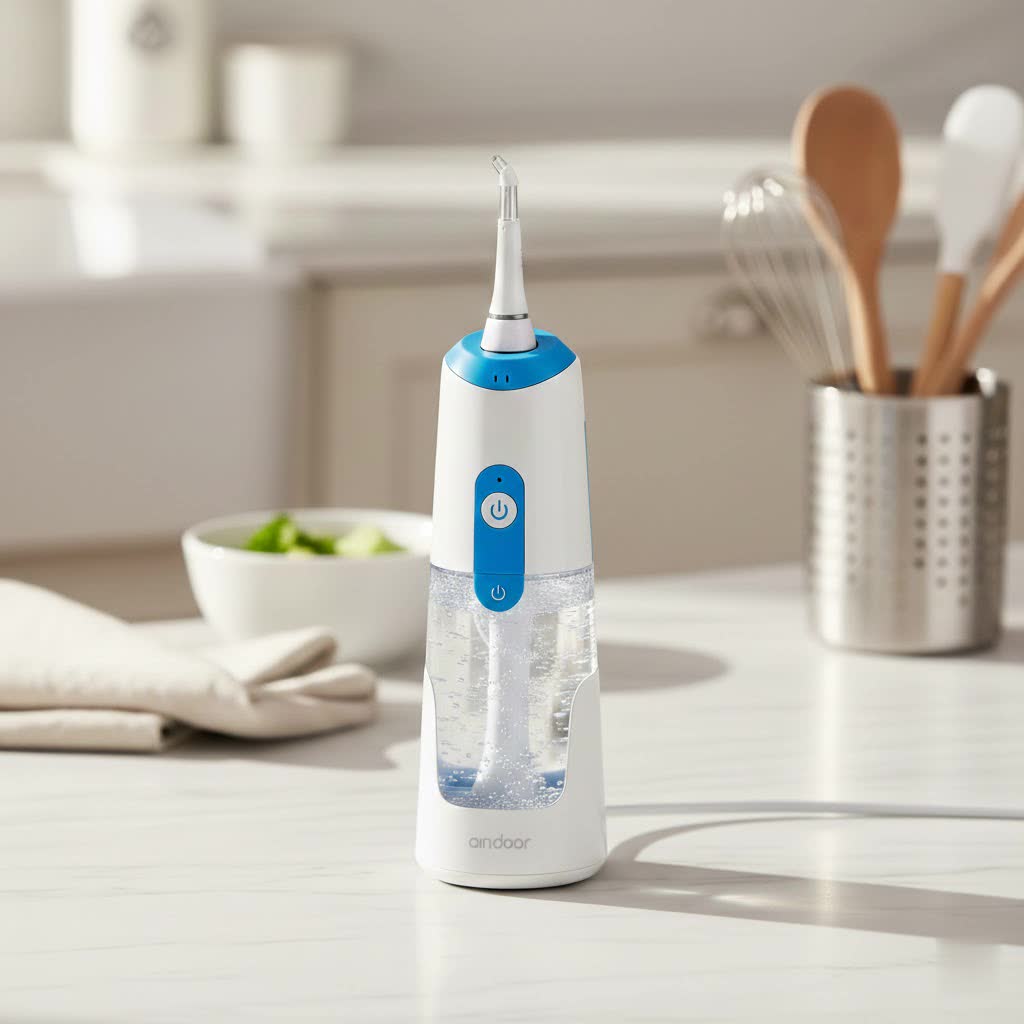
Achieving optimal oral hygiene goes beyond just brushing. While traditional brushing and string flossing are essential, they often miss crucial areas, leaving behind plaque and food debris that can lead to gum disease and cavities. This is where a water flosser steps in, offering a powerful yet gentle solution to reach those hidden crevices. For many, the idea of a truly comprehensive clean feels like a trip to the dentist, but with the right tools, that feeling is achievable at home. This guide dives deep into Panasonic Water Flossers, exploring their innovative technology, popular models, and how they can transform your daily oral care routine for a healthier, brighter smile.
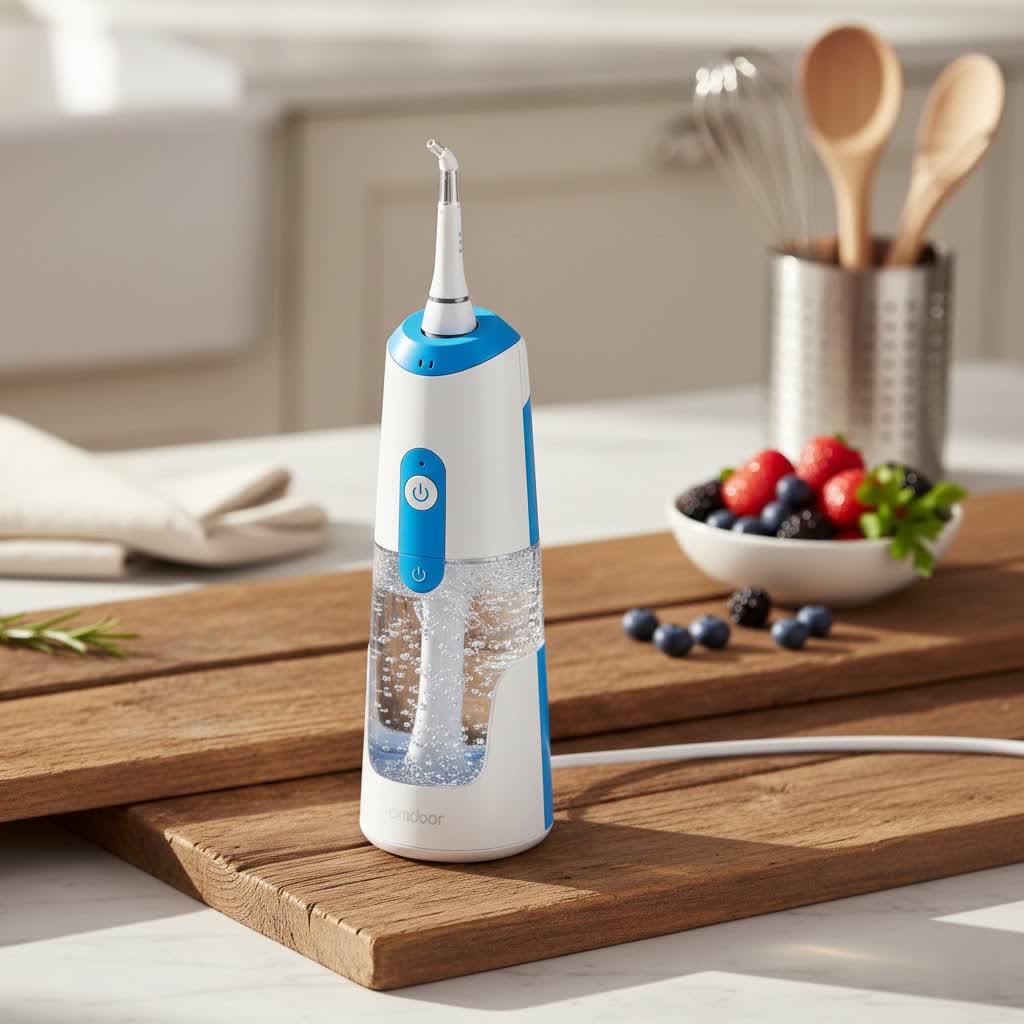
What is a Water Flosser? Why You Need One
A water flosser, also known as an oral irrigator, is a handheld device that directs a stream of pulsating water between your teeth and below the gum line. This pressurized water effectively dislodges food particles, plaque, and bacteria that traditional brushing and flossing might leave behind. Its mechanism of action is simple yet highly effective: the steady or pulsating stream of water washes away debris, promoting healthier gums and a cleaner mouth.
The benefits of incorporating a water flosser into your routine are significant. It can be particularly advantageous for individuals with braces, implants, crowns, or bridges, as the water jet can navigate around these dental appliances more easily than string floss. For those with sensitive gums or dexterity issues, a water flosser offers a gentler and often more comfortable alternative to traditional flossing, reducing the risk of irritation while still delivering a thorough clean. Scientific research consistently points to the efficacy of water flossers in reducing gingivitis, bleeding, and plaque. The pulsing action of many advanced water flossers helps to disrupt and remove stubborn biofilms that cling to teeth and gums, contributing to overall oral health.
Introducing Panasonic Water Flossers: Innovation in Oral Care
Panasonic, a brand renowned for its innovation in electronics, extends its expertise to personal care with a range of advanced water flossers. These devices often integrate cutting-edge technology, such as ultrasonic water jets, designed to provide a superior cleaning experience. The ultrasonic technology works by generating thousands of micro-bubbles per minute, which burst on impact, creating a powerful shockwave that helps to dislodge even microscopic food particles and plaque. This not only cleans visible areas but also reaches deep into periodontal pockets, contributing to healthier gums and a fresh feeling.
Panasonic water flossers are developed with user convenience and effectiveness in mind, focusing on ergonomic designs, multiple pressure settings, and robust build quality. They are crafted to be a reliable addition to any dental hygiene regimen, offering both powerful cleaning and gentle care, especially for sensitive areas.
Popular Panasonic Water Flosser Models
Panasonic offers a diverse lineup of water flossers, catering to various needs from powerful daily cleaning to ultra-portable travel solutions. Understanding the key features of each model can help you choose the best fit for your lifestyle.
Panasonic EW1511 Cordless Water Flosser
Bảng trống.The Panasonic EW1511 is a notable cordless model featuring ultrasonic technology with five distinct pressure settings, allowing for a personalized cleaning experience from gentle to intense. Its design is often praised for being comfortable to hold and well-built, giving a solid feel during use. A standout feature is its wall-mountable charging stand, a convenience not commonly found in many cordless units, which helps keep countertops tidy. While offering effective cleaning, some users have noted that the water tank is relatively small, often requiring a refill during a single flossing session. Additionally, acquiring replacement nozzles for the EW1511 can be challenging and potentially more expensive compared to other brands, which is an important consideration for long-term use.
Panasonic EW-DJ10 Portable Water Flosser
For those who prioritize portability, the Panasonic EW-DJ10 stands out with its innovative collapsible design. This model is exceptionally travel-friendly, compacting to roughly half the size of other cordless flossers, making it ideal for limited luggage or on-the-go oral care. Operating on AA batteries, it offers dependable performance without needing a dedicated charging dock, further enhancing its travel convenience. While excellent for portability, its smaller size naturally means a more compact water tank, and it typically offers fewer pressure settings than larger models. It’s a superb choice for frequent travelers but might be a slight compromise for daily home use if a larger water capacity is preferred.
Panasonic Series 300 (EW-DJ27), Series 600 (EW-DJ67), and Series 800 (EW-DJ86)
Panasonic’s “Series” models (e.g., Series 300 EW-DJ27, Series 600 EW-DJ67, Series 800 EW-DJ86) represent a range of cordless water flossers often incorporating ultrasonic water jet technology and multiple intensity levels. These models typically feature five pressure settings, providing versatility for different oral care needs. The Series 600 and 800 models often come with specialized nozzles, such as orthodontic tips for braces and tongue care nozzles for comprehensive oral hygiene, expanding their utility beyond basic flossing. The Series 800, for instance, emphasizes a powerful ultrasonic water jet and faster charging. These series aim to deliver effective plaque removal and contribute to healthier gums, with some models offering enhanced features for a premium experience.
Key Features to Consider in a Panasonic Water Flosser
When selecting a Panasonic water flosser, several features can significantly impact your experience and the effectiveness of your oral care routine.
- Water Pressure Settings: Panasonic models typically offer multiple pressure settings, often five, allowing you to customize the intensity. Starting with a lower pressure and gradually increasing it is advisable, especially for beginners or those with sensitive gums, to find a comfortable yet effective level.
- Tank Capacity & Design: Cordless models like the EW1511 and EW-DJ10 are known for their portability but often have smaller water tanks, meaning you might need to refill mid-session. If you prefer uninterrupted flossing, consider models with larger reservoirs, though these are less common in Panasonic’s cordless range compared to some other brands’ countertop units.
- Nozzle Types: While some Panasonic models might offer a limited variety of tips compared to competitors, look for models that include specialized nozzles if you have specific needs. Orthodontic tips are designed for cleaning around braces, and tongue care nozzles help refresh breath and remove bacteria from the tongue.
- Battery Life & Charging: Cordless water flossers run on rechargeable batteries. Check the advertised battery life and charging time. Features like a wall-mountable charging stand (EW1511) can be a practical bonus. The EW-DJ10 uses AA batteries for ultimate travel convenience.
- Portability vs. Power: Decide whether portability is your top priority or if you need the most powerful water jet for daily comprehensive cleaning. Travel-friendly models often compromise slightly on tank size and brute force for their compact design.
Panasonic Water Flosser vs. The Competition
When considering a water flosser, it’s natural to compare Panasonic’s offerings with other leading brands, particularly Waterpik, which is often synonymous with the term “water flosser.”
Panasonic water flossers, especially models like the EW-DJ10, often gain an edge in portability and compact design, making them excellent choices for travelers. Their innovative features, such as the collapsible body and ultrasonic technology in some models, provide a distinct cleaning experience, often praised for its ability to dislodge plaque effectively and gently. The EW1511’s wall-mountable charger is another unique convenience.
However, brands like Waterpik frequently lead in reservoir size for their countertop models, offering extended flossing times without refills. Waterpik also tends to provide a wider variety of specialized tips, catering to a broader range of dental needs, from periodontal pockets to plaque removal and orthodontic care. While Panasonic’s replacement nozzles can sometimes be harder to source and more expensive, Waterpik generally has a more accessible and varied accessory market.
Ultimately, the choice depends on your priorities. If portability and advanced ultrasonic cleaning in a cordless form factor are key, Panasonic presents compelling options. If maximum water capacity, extensive tip variety, and a powerful countertop unit are more important, then other brands might offer a broader selection.
How to Use Your Panasonic Water Flosser for Optimal Results
Using a Panasonic water flosser effectively can significantly enhance your oral hygiene. Follow these steps for the best results:
- Charge and Fill: Ensure your device is fully charged. Fill the water reservoir with lukewarm water. Using lukewarm water can prevent sensitivity, especially if you have sensitive teeth or gums.
- Select Nozzle: Choose the appropriate nozzle for your needs. Most come with a standard jet tip, but orthodontic or tongue care tips may also be available depending on the model.
- Position Yourself: Lean over a sink to prevent splashing. Place the nozzle tip into your mouth, aiming it at your gum line at a 90-degree angle.
- Turn On and Guide: Turn on the device, starting with the lowest pressure setting. Guide the water jet along your gum line and between each tooth. Pause briefly between teeth, allowing the water to flush out debris. Make sure to clean both the front and rear sides of your teeth, as well as behind your molars.
- Maintain Posture: Keep the main unit upright during use to ensure a consistent water flow. Tilting it too much might prevent water from coming out.
- Complete the Cycle: Continue until you have cleaned all areas of your mouth. Allow the water to flow into the sink from your mouth.
- Turn Off and Empty: Turn off the device before removing the nozzle from your mouth to avoid splashing. Empty any remaining water from the reservoir.
- Brush: After water flossing, brush your teeth as normal. Some experts suggest brushing after flossing to ensure any dislodged particles are removed by the toothbrush.
Important Note: Do not press the tip of the nozzle hard against your teeth or gums, and never direct the water jet under the tongue or into other sensitive areas. If you experience any pain or discomfort, stop immediately and adjust the pressure or technique.
Maintenance and Care for Longevity
Proper maintenance is crucial for extending the life and ensuring the hygienic performance of your Panasonic water flosser.
- Empty and Dry: After each use, empty any remaining water from the tank and detach the nozzle. Wipe down the water tank and the main unit with a clean towel and allow them to air dry in a well-ventilated area. This prevents mold and mildew buildup.
- Clean the Filter: Periodically, check and clean the filter, typically located at the tip of the suction hose inside the water tank. Gently rub the filter with a soft brush to remove any accumulated dirt or mineral deposits.
- Regular Cleaning: The water tank can often be washed in a dishwasher (check your specific model’s manual). For the main unit and nozzles, use neutral kitchen detergent and rinse thoroughly with water, ensuring no detergent residue remains. Avoid using harsh chemicals like thinners, benzine, or alcohol, as these can cause damage, cracking, or discoloration to the plastic parts.
- Charging: If your model uses a rechargeable battery, ensure it’s fully charged before the first use. For optimal battery health, recharge it regularly. If the device won’t be used for an extended period (e.g., over six months), perform a full charge at least once every six months to prevent battery deterioration.
- Troubleshooting: If no water comes out or the jet power is reduced, check if the nozzle is clogged or deformed. Replacing the nozzle or cleaning the filter can often resolve these issues.
Buying Guide: Choosing the Right Panasonic Water Flosser for You
Selecting the ideal Panasonic water flosser depends heavily on your budget and individual oral care needs.
Budget
- Entry-Level (e.g., EW-DJ10): These are typically more affordable, focusing on portability and essential water flossing. They are excellent for those new to water flossing or frequent travelers. While they may have smaller tanks and fewer features, they offer a solid introduction to the benefits of water flossing.
- Mid-Range (e.g., Series 300/600): Offering a good balance of features and value, these models often include ultrasonic technology, multiple pressure settings, and perhaps one or two specialized nozzles. They provide an upgraded experience for regular home use without the premium price tag.
- High-End (e.g., EW1511, Series 800): These premium models come with the most advanced features, such as robust ultrasonic jets, extensive pressure controls, wall-mountable charging solutions, and sometimes faster charging. They are designed for users seeking the most comprehensive and technologically advanced oral cleaning experience Panasonic offers.
Personal Needs
- For Beginners: Start with a model that has multiple pressure settings to allow for a gentle introduction, like many of the cordless options. Focus on ease of use and a comfortable grip.
- For Travelers: The Panasonic EW-DJ10, with its collapsible design and battery operation, is specifically engineered for portability and ease of use on the go.
- For Those with Braces or Orthodontic Appliances: Look for models that explicitly mention orthodontic nozzles or have a strong, consistent jet to effectively clean around brackets and wires. The Series 600 and 800 models often come with these specialized tips.
- For Sensitive Gums: Prioritize models with a “soft” or “gentle” mode among their pressure settings. The ultrasonic technology in some Panasonic flossers can also provide a thorough clean with less abrasive force.
- For Comprehensive Daily Use: Models with ultrasonic technology, multiple pressure settings, and perhaps a larger (though still cordless) water tank will offer the most effective and satisfying daily clean.
Conclusion
Embracing a Panasonic water flosser in your daily routine can significantly upgrade your oral hygiene, moving beyond the limitations of traditional methods. With innovative ultrasonic technology, diverse models catering to various needs from ultra-portable travel companions to powerful daily cleaners, Panasonic offers compelling solutions for a healthier mouth. While considering factors like water tank capacity and nozzle availability, the benefits of cleaner teeth, healthier gums, and a fresher breath are undeniable. By understanding the features of different models and how to use and maintain them, you can confidently choose a Panasonic water flosser that perfectly aligns with your oral health goals.
What kind of smile transformation are you hoping to achieve with a Panasonic water flosser?
Frequently Asked Questions
Are Panasonic water flossers effective for removing plaque?
Yes, many Panasonic water flossers, particularly those featuring ultrasonic technology, are highly effective at dislodging plaque and food debris from between teeth and below the gum line. The high-frequency water pulses create micro-bubbles that enhance cleaning performance.
Can I use a Panasonic water flosser if I have braces?
Absolutely. Water flossers are often recommended for individuals with braces as they can more easily navigate around wires and brackets to remove trapped food particles and plaque, which can be challenging with traditional string floss. Some Panasonic models even offer specialized orthodontic nozzles.
How often should I use my Panasonic water flosser?
For optimal oral hygiene, it is generally recommended to use your Panasonic water flosser at least once a day, preferably after brushing. Consistent use helps maintain gum health and prevents plaque buildup.
What’s the difference between cordless and countertop Panasonic water flossers?
Panasonic primarily focuses on cordless water flossers. Cordless models offer portability and convenience, making them ideal for travel or smaller bathrooms, but often have smaller water tanks. Countertop models (less common from Panasonic but available from other brands) typically have larger reservoirs and are designed for stationary home use with continuous power.
How do I clean my Panasonic water flosser?
After each use, empty the water tank and allow it to air dry. Regularly clean the tank and main unit with a mild detergent and water, and periodically check and clean the filter. Avoid harsh chemicals, and refer to your specific model’s manual for detailed cleaning instructions.