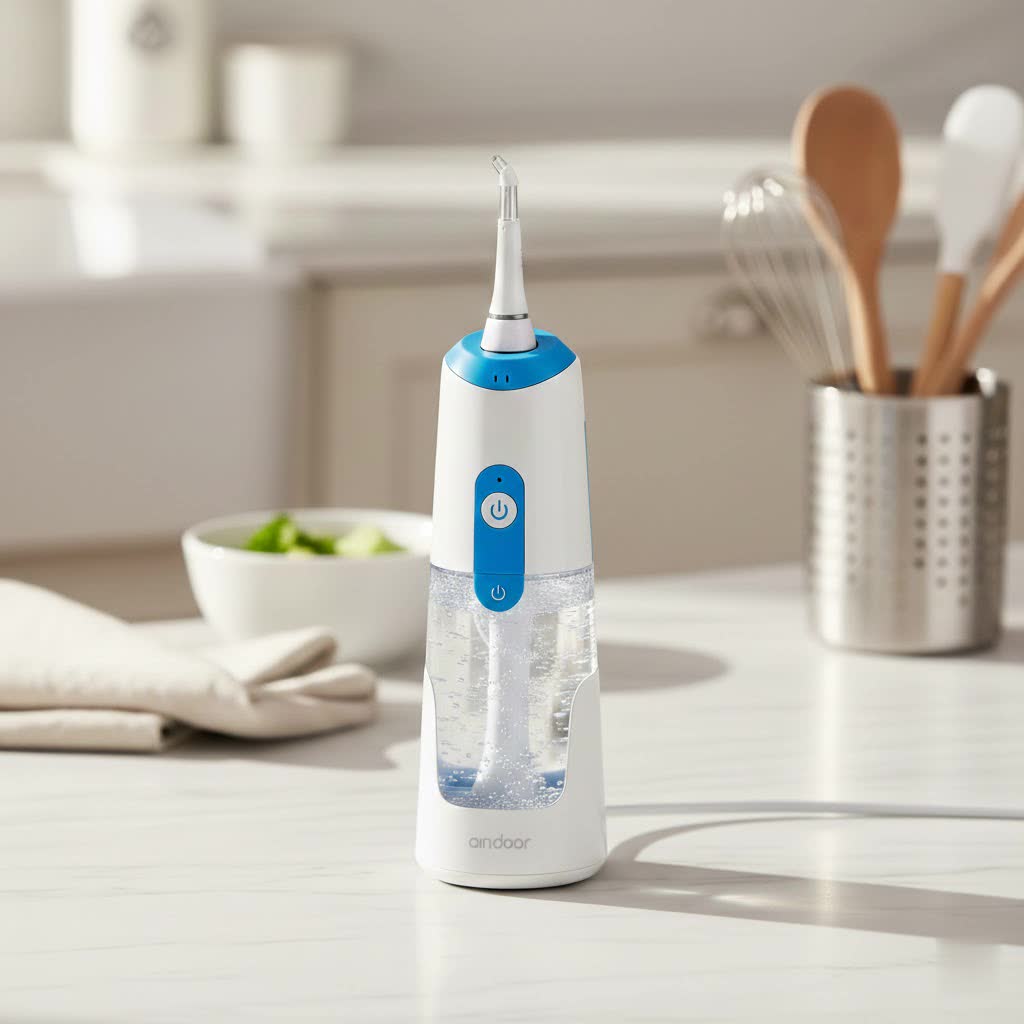
Do you ever feel like your daily brushing isn’t quite enough? Despite diligent efforts, many of us struggle to reach every nook and cranny, leaving behind plaque and food particles that can lead to cavities and gum disease. That’s where a water flosser comes in, transforming your oral hygiene from a chore into a refreshing ritual. Specifically, the Philips Sonicare Water Flosser, often recognized for its innovative design and effective cleaning, offers a powerful yet gentle solution to achieve a truly comprehensive clean. If you’re ready to upgrade your smile and experience a new level of oral freshness, read on to discover how this advanced device can revolutionize your routine.
Water Flosser: A Comprehensive Oral Care Solution
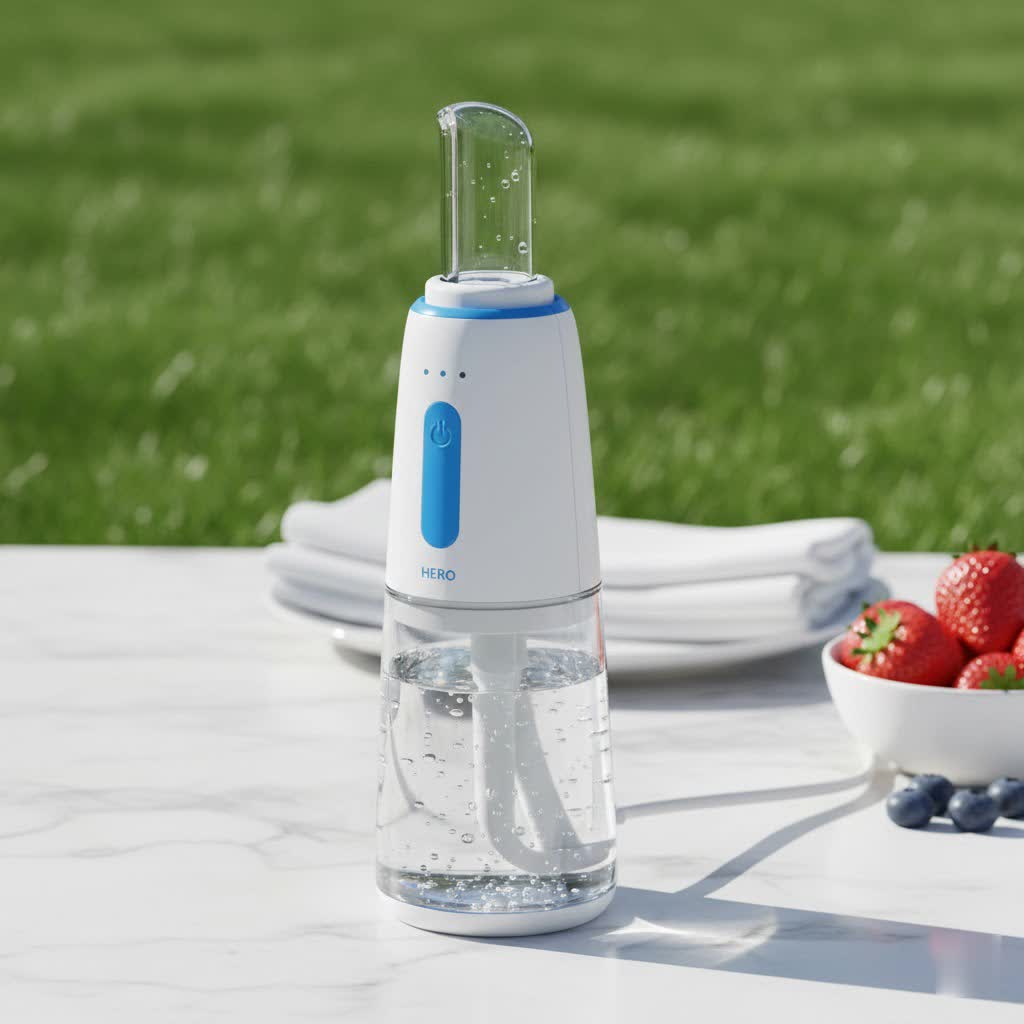
A water flosser, also known as an oral irrigator, is an essential tool designed to complement your brushing by using a stream of pulsating water to remove trapped food debris and plaque from between your teeth and below the gumline. Unlike traditional string floss, which relies on manual dexterity, a water flosser can navigate hard-to-reach areas with ease, making it particularly beneficial for individuals with braces, implants, crowns, or sensitive gums. This method helps reduce gingivitis, promotes healthier gums, and leaves your mouth feeling exceptionally clean and revitalized.
Philips Sonicare water flossers, often called Power Flossers, stand out in the market due to their advanced engineering. A key innovation is the Quad Stream technology, which creates four targeted water streams that form an X-shape. This unique design covers a larger area of the tooth and gumline with each pass, allowing for faster and more thorough cleaning with less effort. Many users describe it as a “pressure washer for your mouth,” delivering a powerful yet comfortable clean. Additionally, some Philips Sonicare models incorporate Pulse Wave technology, which gently pulses water to guide you from tooth to tooth, ensuring you don’t miss any spots and providing a soothing massage for your gums. The combined effect of these technologies significantly enhances plaque removal and contributes to overall gum health, offering a superior alternative to traditional flossing methods.
Types of Philips Sonicare Water Flossers
Philips Sonicare offers a range of water flossers, primarily categorized into cordless and countertop models, each designed to suit different lifestyles and needs.
Philips Sonicare Cordless Power Flosser
The Philips Sonicare Cordless Power Flosser 3000 Series, for instance, is a popular choice for its portability and compact design. It’s an excellent option for those who travel frequently or have limited bathroom counter space.
- Advantages:
- Portability: Its compact size and cordless design make it easy to pack and use on the go.
- Ease of Use: Many find it more convenient than traditional floss or bulkier countertop units.
- Battery Life: Offers impressive battery performance, often lasting over 14 days on a single charge with daily use, making it ideal for extended trips without needing to pack a charger.
- USB Charging: Conveniently charges via a USB-A to small plug cable.
- Quad Stream Technology: Utilizes the efficient X-shaped water stream for effective cleaning.
- Nozzle Rotation: Features a 360-degree rotating nozzle to access all areas of the mouth.
- Disadvantages:
- Reservoir Size: Typically has a smaller 250ml (8 fl oz) reservoir, which provides enough water for about a 60-second clean but may require refilling mid-use for some users.
- Pressure Levels: Generally offers 2 modes (Clean, Deep Clean) with 3 intensity levels, which might feel less powerful to some compared to countertop models.
- Learning Curve: New users might experience initial splashing until they master the technique.
- No detailed battery level: Some models may only indicate low battery, not a precise charge level.
- Ideal User: Perfect for individuals seeking a flexible, travel-friendly flossing solution that doesn’t compromise on cleaning power.
Philips Sonicare Countertop Power Flosser
Countertop models, such as the Philips Sonicare Power Flosser 3000, 5000, and 7000 Series, are designed for a more robust and consistent at-home experience. They offer a wider range of features and typically provide a more powerful performance.
- Advantages:
- Larger Reservoir: Comes with a generously sized reservoir, often 550ml or more, allowing for a complete cleaning session without the need for refills.
- More Pressure Settings: Offers up to 10 intensity levels, providing greater customization for comfort and cleaning effectiveness.
- Multiple Modes: Includes various cleaning modes like Clean, Deep Clean, Sensitive, and Massage/Gum Health, catering to diverse oral care needs.
- Quieter Operation: Many Philips Sonicare countertop models are noted for being significantly quieter than competitor models, especially on lower settings.
- Consistent Power: Electrical powered for consistent water pressure throughout use.
- Disadvantages:
- Less Portable: Not designed for travel and takes up more space on your bathroom counter.
- Ideal User: Best suited for families, individuals who prefer a consistent at-home routine, or those who need specific pressure settings or specialized modes for particular oral conditions.
Hướng Dẫn Chọn Mua Water Flosser Phù Hợp (How to Choose the Right Water Flosser)
Choosing the perfect Philips Sonicare Water Flosser depends on your personal oral health needs, lifestyle, and preferences. Consider these crucial factors to make an informed decision:
- Water Pressure and Modes: Evaluate the range of pressure settings. Cordless models typically offer 3 intensity levels and 2 modes (Clean, Deep Clean), while countertop units can have up to 10 intensity settings and additional modes like Sensitive or Massage/Gum Health. If you have sensitive gums or are new to water flossing, models with a gentle mode and lower intensity options are essential. Conversely, for a deeper clean, look for higher pressure capabilities.
- Reservoir Capacity: This determines how often you’ll need to refill. Cordless models (250ml) are great for portability but may require refilling during a single session. Countertop models (550ml or more) offer ample capacity for uninterrupted use.
- Nozzle Types: The standard and Quad Stream nozzles are common. The Quad Stream tip is a standout feature, delivering an X-shaped water pattern for broader coverage and efficient plaque removal. Consider if specialized tips for braces or periodontal pockets are important, though Philips Sonicare focuses more on its advanced general-purpose tips.
- Portability vs. Power: Decide if you prioritize a compact, travel-friendly device (cordless) or a more powerful, feature-rich unit for home use (countertop).
- Noise Level: Philips Sonicare water flossers are often praised for being quieter than some competitors, especially at lower settings. If noise is a concern, particularly in shared living spaces, this can be a significant factor.
- Battery Life (for Cordless): Look for cordless models with long battery life (e.g., 14+ days) to minimize charging frequency, especially when traveling.
Detailed Comparison: Philips Sonicare Power Flossers
Here’s a comparison of some prominent Philips Sonicare Water Flosser options to help guide your choice:
| Feature | Philips Sonicare Cordless Power Flosser 3000 | Philips Sonicare Power Flosser 3000 (Countertop) |
|---|---|---|
| Type | Cordless, handheld | Countertop |
| Reservoir | 250 ml (approx. 60-second use) | 550 ml (full session) |
| Modes | Clean, Deep Clean | Clean, Deep Clean |
| Intensity | 3 levels | Up to 10 levels |
| Key Nozzle | F1 Standard, F3 Quad Stream | F1 Standard, F3 Quad Stream |
| Key Tech | Quad Stream, Pulse Wave | Quad Stream, Pulse Wave |
| Battery Life | 14+ days | N/A (corded) |
| Noise Level | Moderate (can vary by setting) | Noted for being quieter |
| Ideal User | Travelers, small bathrooms, beginners | Home use, multiple users, varied pressure needs |
| Pros | Portable, long battery, effective Quad Stream | Large reservoir, high customization, quiet |
| Cons | Small reservoir, learning curve, less pressure | Less portable, takes counter space |
Top Philips Sonicare Water Flosser Models
While Philips Sonicare offers several excellent water flossers, two models frequently stand out for their blend of technology, user satisfaction, and overall value: the Cordless Power Flosser 3000 and the countertop Power Flosser 3000.
1. Philips Sonicare Cordless Power Flosser 3000
This model is a game-changer for anyone seeking convenience without sacrificing cleaning efficacy. Its ergonomic design makes it comfortable to hold and maneuver, even when wet. The signature Quad Stream nozzle is often highlighted by users for its ability to cover more area quickly and effectively, providing a deep clean that surpasses traditional flossing. The impressive battery life, often exceeding two weeks on a single charge, makes it a reliable companion for daily use at home or during travel. Users appreciate the three adjustable intensity levels, allowing for a gentle cleanse for sensitive gums or a more powerful flush after meals. While some note the 250ml reservoir might require a mid-session refill, its overall portability and performance make it a top recommendation for busy individuals and those new to water flossing.
2. Philips Sonicare Power Flosser 3000 (Countertop)
For those who prefer a stationary unit with maximum power and capacity, the countertop Power Flosser 3000 is an excellent choice. It features a larger 550ml reservoir, ensuring you can complete your entire flossing routine without interruption. This model offers up to 10 intensity settings and two distinct modes—Clean and Deep Clean—providing unparalleled control over your flossing experience. The Pulse Wave technology helps guide you through your mouth, ensuring consistent coverage. A significant advantage cited by users is its remarkably quiet operation, making it a pleasant addition to any bathroom, especially during early mornings or late nights. It’s a robust and reliable device that delivers exceptional plaque removal and promotes optimal gum health, ideal for comprehensive family use.
Mastering Your Philips Sonicare Water Flosser
To unlock the full potential of your Philips Sonicare Water Flosser and ensure optimal oral hygiene, follow these simple steps for proper usage:
- Fill the Reservoir: For cordless models, you can easily open a side flap or unscrew the reservoir from the handle and fill it with lukewarm water. For countertop models, lift out the reservoir, fill it, and place it back on the base.
- Select Your Tip: Choose the appropriate nozzle. The Quad Stream tip is excellent for everyday comprehensive cleaning, while the standard tip can be used for more focused cleaning.
- Position the Tip: Lean over a sink and place the tip into your mouth, aiming it at the gumline at a 90-degree angle. Close your lips partially around the nozzle to prevent splashing, but allow water to flow into the sink.
- Select Mode and Intensity: Turn on the device and choose your desired mode (Clean, Deep Clean, Sensitive) and intensity level. Start with a lower intensity if you’re a beginner or have sensitive gums, gradually increasing as you get comfortable.
- Floss Systematically: Start with your back teeth and work your way forward. Guide the tip along your gumline and briefly pause between each tooth, allowing the water to flush out debris. If your model has a Pacer feature, it will briefly pause the water flow every 30 seconds to signal when to move to the next section of your mouth.
- Clean All Surfaces: Ensure you clean both the outer and inner surfaces of your teeth, as well as along the chewing surfaces. The 360-degree rotating nozzle on cordless models helps reach tricky angles.
- Empty and Clean: After each use, empty any remaining water from the reservoir to prevent bacterial growth. Rinse the reservoir and nozzle, then allow them to air dry.
Important Considerations:
- Avoid Over-Pressure: While it might feel good, excessive pressure can harm your gums. Listen to your body and adjust the intensity.
- Consistency is Key: For best results, use your water flosser at least once daily, preferably after brushing.
- Special Needs: For those with braces, direct the water stream around the brackets and wires to effectively dislodge food particles. For sensitive gums, utilize the gentle or sensitive mode.
Mua Water Flosser Ở Đâu? Giá Cả Như Thế Nào? (Where to Buy a Water Flosser? Pricing?)
Acquiring a Philips Sonicare Water Flosser is convenient, with several reliable channels available both online and in physical stores.
You can find Philips Sonicare Water Flossers at major electronics retailers, department stores, and pharmacies. Online, reputable platforms like the official Philips website, Best Buy, Newegg, and Macy’s often carry a wide selection of models. These online stores frequently offer competitive pricing, customer reviews, and detailed product specifications to help you compare.
Regarding price, Philips Sonicare Water Flossers generally fall into a mid-to-high price range, reflecting their advanced technology and build quality. The Cordless Power Flosser 3000, for instance, typically costs around $80, offering excellent value for its portability and features. Countertop models, with their larger reservoirs and greater intensity options, may range higher. While initial investment might be more than traditional floss, many users find the long-term benefits for oral health and the convenience worth the price. Keep an eye out for sales and promotional bundles, especially during holiday seasons, to potentially save on your purchase.
Vệ Sinh và Bảo Quản Water Flosser (Cleaning and Maintaining Your Water Flosser)
Proper cleaning and maintenance are crucial to prolong the lifespan of your Philips Sonicare Water Flosser and ensure hygienic use.
- Daily Cleaning: After each use, empty any leftover water from the reservoir. Rinse the reservoir and the nozzle thoroughly under warm water. Allow both to air dry before reassembling. This prevents the buildup of bacteria and mold.
- Deep Cleaning (Weekly/Bi-weekly): To prevent mineral deposits, especially if you have hard water, consider descaling your unit. You can do this by filling the reservoir with a mixture of one part white vinegar and two parts warm water. Run about half of the solution through the flosser until it starts to flow. Pause for 20-30 minutes to let the solution work, then run the rest through. Finish by running a full reservoir of clean water through the unit to rinse out any vinegar residue.
- Nozzle Replacement: Philips recommends replacing your water flosser nozzles every six months, or sooner if they show signs of wear, to ensure optimal performance and hygiene.
- External Cleaning: Wipe down the exterior of the flosser with a soft, damp cloth as needed. Avoid abrasive cleaners or harsh chemicals.
- Troubleshooting Common Issues: If you experience low water pressure, check if the nozzle is clogged or if the reservoir isn’t properly seated. For leaks, ensure all parts are securely fastened and that the O-rings are intact. Refer to your user manual for specific troubleshooting steps for your model.
Buying Guide: Your Philips Sonicare Water Flosser Journey
Navigating the world of water flossers can feel overwhelming, but with Philips Sonicare, finding your perfect match is about aligning features with your unique needs and budget.
Budget Considerations
- Affordable Options: While Philips Sonicare tends to be a mid-to-premium brand, cordless models like the Power Flosser 3000 offer excellent value for their advanced technology and portability, often available around $80. These provide a robust entry point without breaking the bank.
- Mid-Range Excellence: Many countertop models fall into this category, offering a balance of extensive features, larger capacity, and higher pressure settings for an investment that delivers significant oral health benefits.
- Premium Features: Higher-end countertop models (e.g., 5000 or 7000 series, if available) may offer even more advanced functionalities, such as multiple specialized tips, enhanced smart features, or superior build materials, justifying a higher price point for those seeking the ultimate oral care experience.
Personal Needs
- For Beginners: The Cordless Power Flosser 3000 is often recommended due to its ergonomic design, ease of handling, and adjustable intensity settings. Starting on a lower pressure setting can help you get accustomed to water flossing without discomfort.
- For Braces Wearers: Water flossers are highly effective for cleaning around orthodontic appliances. The Quad Stream nozzle and adjustable pressure of Philips Sonicare models make it easier to dislodge food and plaque trapped around braces, significantly improving hygiene compared to string floss.
- For Sensitive Gums: Look for models with a “Sensitive” mode or multiple intensity levels, allowing you to choose a gentler stream. The Pulse Wave technology found in some Philips Sonicare models can also provide a soothing, massaging effect, which is beneficial for tender gums.
- For Multiple Users: Countertop models with larger reservoirs and multiple nozzle options are ideal for families or shared living spaces, as different users can have their own color-coded tips and adjust settings as needed.
- For Travelers: The compact and long-battery-life Cordless Power Flosser 3000 is tailor-made for those who want to maintain their oral hygiene routine wherever they go.
> “Investing in a Philips Sonicare Water Flosser is a proactive step towards superior oral hygiene. Its innovative technologies, like Quad Stream, genuinely make a difference in plaque removal and gum health.” – Dr. Alistair Finch, Dental Health Specialist.
Conclusion
The Philips Sonicare Water Flosser stands as a remarkable tool in the pursuit of optimal oral hygiene. With its cutting-edge Quad Stream and Pulse Wave technologies, it offers an effective, efficient, and often quieter alternative to traditional flossing methods. Whether you opt for the portable convenience of a cordless model or the robust power of a countertop unit, you’re choosing a device designed to significantly reduce plaque, improve gum health, and leave your mouth feeling incredibly clean. Embracing a Philips Sonicare Water Flosser means taking a definitive step towards a healthier, brighter smile and a confident you. Don’t just brush; power floss your way to unparalleled oral health.
What aspect of a water flosser is most important for your daily oral care?
Câu Hỏi Thường Gặp (Frequently Asked Questions)
Is a Philips Sonicare Water Flosser better than string floss?
Many dental professionals and users agree that water flossers, especially those with advanced technology like Philips Sonicare’s Quad Stream, can be more effective than string floss for plaque removal, particularly for individuals with braces, implants, or dexterity issues. They offer a more thorough and less abrasive clean along the gumline and between teeth.
How often should I use my Philips Sonicare Water Flosser?
For optimal results, it is recommended to use your Philips Sonicare Water Flosser at least once a day, ideally after brushing your teeth. Consistent daily use significantly contributes to improved gum health and more effective plaque removal.
Can I use mouthwash in my Philips Sonicare Water Flosser?
Yes, you can use mouthwash in your Philips Sonicare Water Flosser. However, it’s best to dilute it with warm water (e.g., 50/50 mixture) to avoid potential damage to internal components and to prevent irritation to your gums. Always rinse the reservoir with clean water after using mouthwash.
What is the difference between Cordless and Countertop Philips Sonicare Water Flossers?
The main differences lie in portability and features. Cordless models are compact, battery-powered, and ideal for travel or small spaces, though they have smaller reservoirs. Countertop models are larger, plug into an outlet, offer bigger reservoirs, more pressure settings, and a wider array of modes for comprehensive home use.
Are replacement nozzles expensive for Philips Sonicare Water Flossers?
Replacement nozzles for Philips Sonicare Water Flossers are generally available in packs and are an ongoing cost to consider. While individual tips might seem pricey, they are durable and typically recommended for replacement every six months, making the cost-per-use reasonable over time.