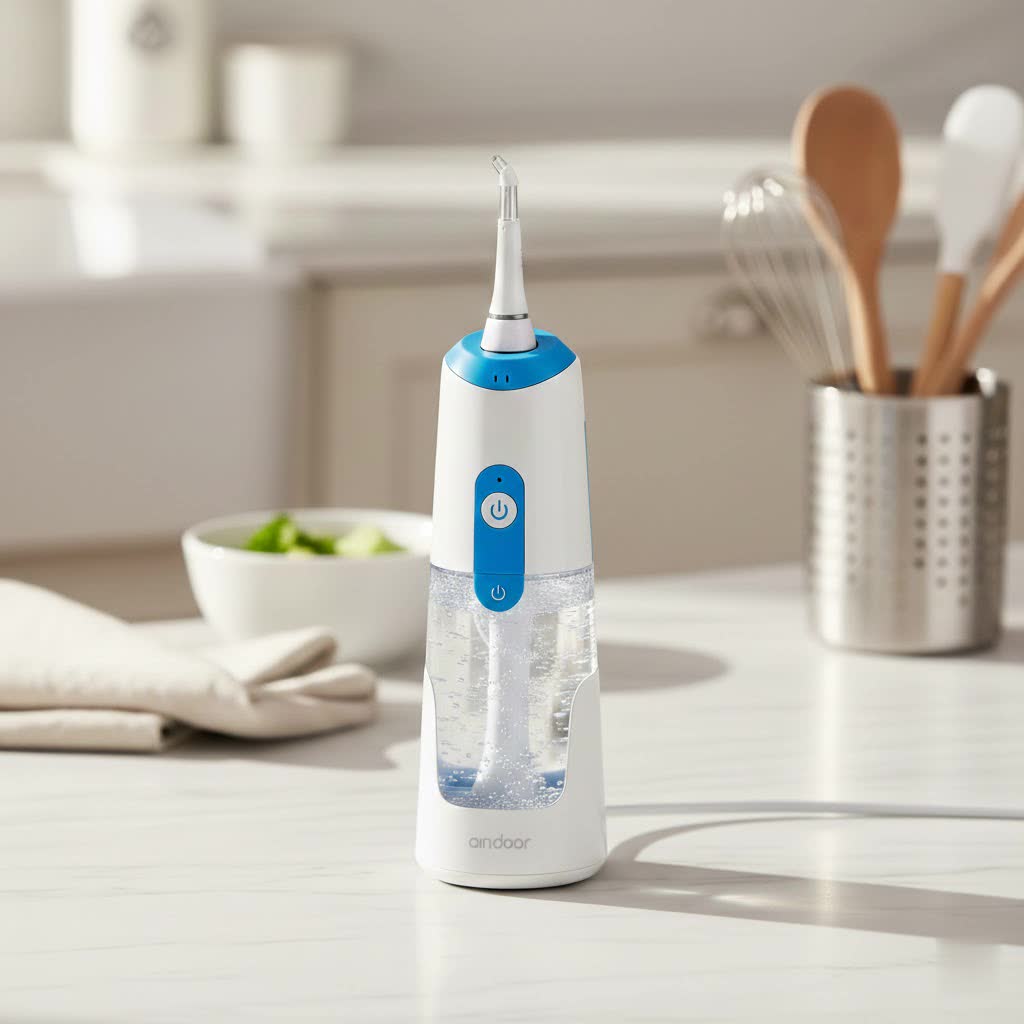
Are you looking to elevate your oral hygiene routine beyond just brushing and traditional flossing? The world of water flossers offers a powerful solution, and among them, the Rechargeable Water Flosser stands out for its unparalleled convenience and portability. This comprehensive guide will navigate you through everything you need to know about these innovative devices, helping you discover the perfect partner for a healthier mouth and a radiant smile.
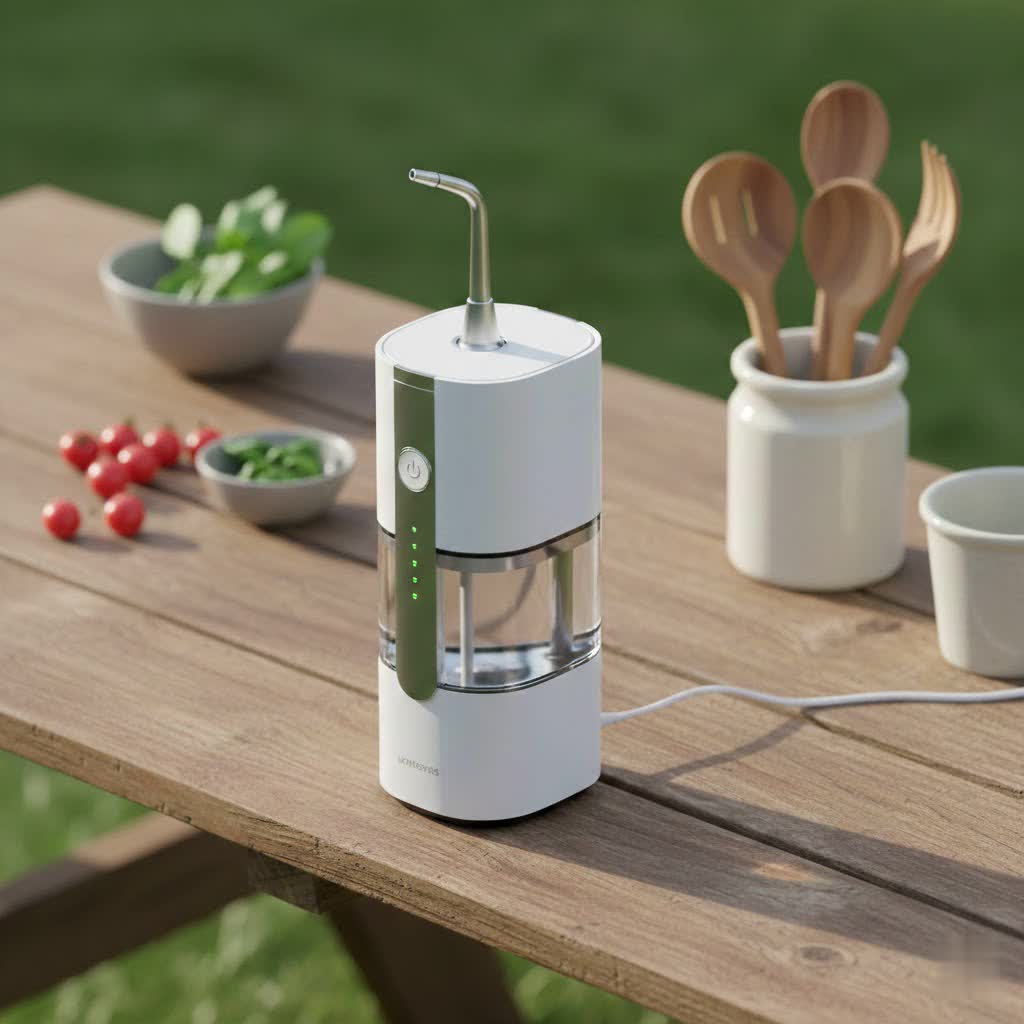
What is a Rechargeable Water Flosser? Why You Need One for Optimal Oral Health
A rechargeable water flosser, often referred to as a cordless water flosser, is a handheld oral hygiene device that uses a stream of pulsating water to remove food particles, plaque, and bacteria from between teeth and below the gumline. Unlike traditional string floss, which relies on physical friction, water flossers use hydro-propulsion to gently yet effectively clean areas that brushing often misses and string floss struggles to reach.
The mechanism is simple: a built-in pump creates a pressurized jet of water from a reservoir, directing it through a small nozzle. This targeted stream dislodges debris and massages the gums, promoting better circulation and reducing inflammation. Dental professionals widely recommend water flossers as an excellent addition to daily oral care. Studies indicate that they are remarkably effective at reducing gingivitis and gum bleeding, often outperforming string floss in these aspects. For individuals with dental work such as braces, implants, crowns, or bridges, a water flosser becomes an indispensable tool, effortlessly cleaning around hardware where traditional methods are difficult or impossible.
Rechargeable vs. Corded Water Flossers: The Portable Advantage
When considering a water flosser, you’ll primarily encounter two types: corded (countertop) and rechargeable (cordless) models. While both offer significant benefits for oral health, rechargeable models provide distinct advantages in flexibility and user experience.
| Feature | Rechargeable (Cordless) Water Flosser | Corded (Countertop) Water Flosser |
|---|---|---|
| Portability | Highly portable, ideal for travel and small spaces | Less portable, typically stays in one location |
| Power Source | Rechargeable battery | Plugs into an electrical outlet |
| Water Pressure | Good, but may be slightly less consistent than corded | Often stronger and more consistent |
| Reservoir Size | Smaller, often requiring refills during a session | Larger, allowing for full session without refilling |
| Counter Space | Minimal, clutter-free | Requires dedicated counter space |
| Usage Location | Can be used anywhere, including in the shower | Requires proximity to an electrical outlet |
| Battery Life | Needs regular charging, battery degrades over years | No battery concerns, always ready when plugged in |
| Weight | Heavier due to integrated reservoir | Lighter handle, base unit is heavier |
The primary appeal of a rechargeable water flosser lies in its freedom. Imagine maintaining your oral hygiene routine without being tethered to an electrical outlet. This makes them perfect for smaller bathrooms with limited counter space, as well as for those who travel frequently. Their waterproof designs often allow for convenient use in the shower, simplifying your routine and minimizing mess. While corded models might offer a slight edge in continuous power and larger reservoirs, the convenience, flexibility, and compact nature of rechargeable water flossers make them a preferred choice for many seeking a hassle-free and effective cleaning solution.
Key Features to Look for in a Rechargeable Water Flosser
Choosing the right rechargeable water flosser can feel overwhelming with the variety of options available. Focusing on these key features will help you make an informed decision:
- Water Pressure Settings: A good water flosser should offer multiple pressure settings, allowing you to customize the intensity. Beginners or those with sensitive gums should start with a lower pressure and gradually increase it. Look for models with a range that includes gentle settings (e.g., around 45 PSI or lower) and more powerful options (up to 75 PSI or 520 kPa for portable models) for effective cleaning.
- Reservoir Capacity: Rechargeable water flossers typically have smaller reservoirs than their corded counterparts. Aim for a capacity that allows for at least a 30- to 60-second flossing session without needing a refill. A capacity of around 200-300 ml is common for portable units. Consider how easily the reservoir can be detached and refilled.
- Nozzle Types: Most water flossers come with standard jet tips for general cleaning. However, specialized tips can enhance your experience:
- Orthodontic Tip: Designed with a tapered brush to clean around braces and wires.
- Plaque Seeker Tip: Features soft bristles to gently clean around implants, crowns, and bridges.
- Periodontal Tip: Delivers a gentle stream of water for sensitive gums or periodontal pockets.
- A 360-degree rotating nozzle provides excellent maneuverability to reach all areas of your mouth.
- Battery Life & Charging: Since it’s a rechargeable device, battery performance is crucial. Look for models that offer several days to a couple of weeks of use on a single charge. Lithium-ion batteries are common and typically last 2-3 years or 300-500 charge cycles before significant degradation. USB charging capability adds to convenience for travel.
- Ergonomics & Design: A comfortable, lightweight, and well-balanced handle is essential for easy maneuvering, especially for reaching back teeth. A waterproof design is a huge plus for shower use and easy cleaning. Consider the overall size and weight, especially if portability is a high priority.
- ADA Seal of Acceptance: The American Dental Association (ADA) Seal of Acceptance signifies that a product has met the ADA’s criteria for safety and effectiveness. This seal provides an extra layer of confidence in your purchase.
- Additional Features: Some models include built-in timers to ensure you floss for the recommended duration (usually one minute), gum massage modes, or travel bags.
Top Rechargeable Water Flossers for a Healthier Smile
Many reputable brands offer excellent rechargeable water flossers designed to meet various needs. While specific models constantly evolve, brands like Waterpik and Philips Sonicare consistently receive high praise from users and dental professionals.
- Waterpik Cordless Advanced Series: Often lauded for its powerful performance in a portable package, offering multiple pressure settings, various tips, and a convenient, compact design. It’s a solid choice for those seeking reliability and effective cleaning on the go.
- Philips Sonicare Cordless Power Flosser 3000: This model is frequently recommended by dentists for its strong, customizable performance. It often features unique Quad Stream nozzles that create a cross-shaped pattern for wider coverage and more thorough cleaning between teeth and along the gumline, along with multiple intensity levels and modes.
- Quip Rechargeable Cordless Water Flosser: Known for its sleek, minimalist design, the Quip flosser is a great basic option for those who prioritize aesthetics and simplicity while still getting effective oral cleaning. It’s particularly well-suited for travel.
- H2Ofloss Water Flosser: Often considered a budget-friendly option that still delivers on functionality, providing multiple pressure levels and a good reservoir size for its class.
When selecting, consider reviews that highlight real-world performance, durability, and user-friendliness to ensure the best fit for your personal oral care journey.
How to Use Your Rechargeable Water Flosser Correctly
Using a rechargeable water flosser effectively is key to maximizing its benefits. Follow these steps for optimal oral hygiene:
- Fill the Reservoir: Detach the water reservoir and fill it with lukewarm water. You can also add a small amount of mouthwash for an extra refreshing clean. Ensure the reservoir is securely reattached.
- Select Your Tip: Choose the appropriate flosser tip for your needs and securely insert it into the handle.
- Adjust Pressure: If you’re new to water flossing or have sensitive gums, start with the lowest pressure setting. You can gradually increase it as your gums become accustomed to the sensation.
- Lean Over the Sink: To avoid mess, lean over a sink and place the tip in your mouth, closing your lips enough to prevent splashing while allowing water to drain.
- Direct the Stream: Aim the water stream at a 90-degree angle to your gumline. Start with your back teeth and work your way forward. Guide the tip along the gumline, pausing briefly between each tooth, on both the inside and outside surfaces.
- Floss Systematically: Follow a consistent pattern, such as starting with the upper arch, then moving to the lower arch, ensuring you cover all tooth surfaces.
- Complete Your Routine: Continue until you’ve cleaned all areas, typically taking 1 to 2 minutes. Empty any remaining water from the reservoir.
For the best results, use your water flosser once daily, ideally at night before bed. This helps remove plaque and food particles that have accumulated throughout the day, minimizing bacterial activity while you sleep.
Maintaining Your Rechargeable Water Flosser: Care & Troubleshooting
Proper maintenance is essential to ensure the longevity and optimal performance of your rechargeable water flosser. Regularly cleaning and addressing common issues will keep your device in top condition.
Cleaning and Care:
- Daily Rinse: After each use, empty any remaining water from the reservoir and rinse it thoroughly with clean water.
- Deep Cleaning (Weekly/Bi-weekly): To prevent mineral buildup and mold, mix a solution of equal parts white vinegar and warm water. Fill the reservoir with this solution and run a portion of it through the flosser into the sink. Let the remaining solution sit in the reservoir and hose for 20-30 minutes, then rinse by running clean water through the unit until the vinegar smell is gone.
- Clean the Nozzle: Remove the tip and rinse it under warm water. For stubborn buildup, soak tips in a vinegar solution.
- Air Dry: Allow all components, especially the reservoir and handle, to air dry completely before storing to prevent mold growth.
Common Issues and Solutions:
- Not Charging:
- Check connections: Ensure the charging cable is securely plugged into both the flosser and the power source.
- Clean charging port: Mineral deposits or toothpaste residue can accumulate. Gently clean contacts with a soft cloth or a cotton swab.
- Try a different outlet: Rule out issues with your electrical supply.
- Power state: Ensure the flosser is turned off before charging.
- Battery degradation: Lithium-ion batteries have a finite lifespan (2-3 years). If your device is old, a new battery or replacement unit might be necessary.
- Low Water Pressure or No Water Flow:
- Check water level: Ensure the reservoir is adequately filled.
- Clogged nozzle/water path: Perform a deep clean with vinegar to remove mineral deposits or debris.
- Air in the water line: This can happen if the reservoir runs dry. Refill and prime the pump by running water until a steady stream appears.
- Weak battery: Recharge your flosser fully.
- Faulty pump/motor: If none of the above work, the internal pump or motor might be failing, especially in older models.
- Leaks:
- Check seals: Inspect the rubber sealing rings on the reservoir and hose connections for wear or damage. Replace if necessary.
- Tighten connections: Ensure all parts are firmly attached.
- Reservoir cracks: Examine the water tank for any hairline cracks that could cause leakage.
- Mold: Regular deep cleaning with a vinegar solution is the best preventive measure. If mold is visible, dismantle and clean all affected parts thoroughly.
Rechargeable Water Flosser Buying Guide: Finding Your Perfect Match
Selecting the ideal rechargeable water flosser involves balancing your budget with your specific oral health needs and lifestyle.
Budget Considerations:
- Entry-Level (Under $50): These models offer basic water flossing functionality and are a great starting point for those new to water flossing. They typically have fewer pressure settings and smaller reservoirs but are effective for general cleaning.
- Mid-Range ($50-$100): This category provides the best value, offering a good balance of features, performance, and durability. You’ll find more pressure settings, varied tips, improved battery life, and often more ergonomic designs.
- Premium (Over $100): High-end models boast advanced features like multiple cleaning modes, smart timers, larger portable reservoirs, superior build quality, and specialized tips for targeted care. They are an investment in top-tier oral hygiene technology.
Personal Needs:
- For Beginners: Start with a model that has simple controls and gentle pressure settings. The ease of use and portability of rechargeable flossers make them ideal for integrating into a new routine.
- For Those with Braces: Look for models that specifically include orthodontic tips. These tips are designed to effectively clean around brackets and wires, areas notoriously difficult to reach with string floss.
- For Sensitive Gums: Prioritize flossers with a wide range of pressure settings, ensuring a very gentle mode is available. Starting with low pressure and gradually increasing it is crucial to avoid discomfort.
- For Travelers: Compact, lightweight, and long-battery-life models are paramount. USB charging and a durable, waterproof design are also key features for on-the-go oral care.
No matter your budget or specific requirements, there’s a rechargeable water flosser designed to enhance your oral health and provide that fresh-from-the-dentist feeling every day.
Conclusion
Embracing a rechargeable water flosser can be a transformative step in your daily oral hygiene routine, offering a convenient, effective, and often more comfortable alternative or supplement to traditional flossing. From superior plaque removal and enhanced gum health to the freedom of portability and ease of use, these devices empower you to achieve a truly clean mouth. By considering factors like water pressure, reservoir size, specialized tips, and battery performance, you can confidently choose a model that perfectly aligns with your individual needs. Investing in a rechargeable water flosser is investing in a healthier, happier smile. Are you ready to experience the refreshing difference?
Frequently Asked Questions
How often should I use my rechargeable water flosser?
For optimal results, it is recommended to use your rechargeable water flosser at least once a day, ideally in the evening after brushing, to remove food debris and plaque accumulated throughout the day.
Can a rechargeable water flosser replace string floss entirely?
While rechargeable water flossers are highly effective at cleaning between teeth and along the gumline, many dental professionals recommend using both a water flosser and traditional string floss for the most comprehensive oral hygiene.
Is it safe to use a rechargeable water flosser with braces?
Yes, rechargeable water flossers are excellent for individuals with braces. Orthodontic tips are specifically designed to clean around brackets and wires, making the process much easier and more effective than traditional flossing.
How long does the battery typically last on a single charge?
Battery life varies by model and usage, but most quality rechargeable water flossers can last from several days to two weeks on a single charge, depending on the frequency and intensity of use.
What kind of water should I use in my water flosser?
It is best to use lukewarm tap water. You can also add a non-abrasive mouthwash for a more refreshing experience, but avoid harsh chemicals or essential oils that could damage the device.