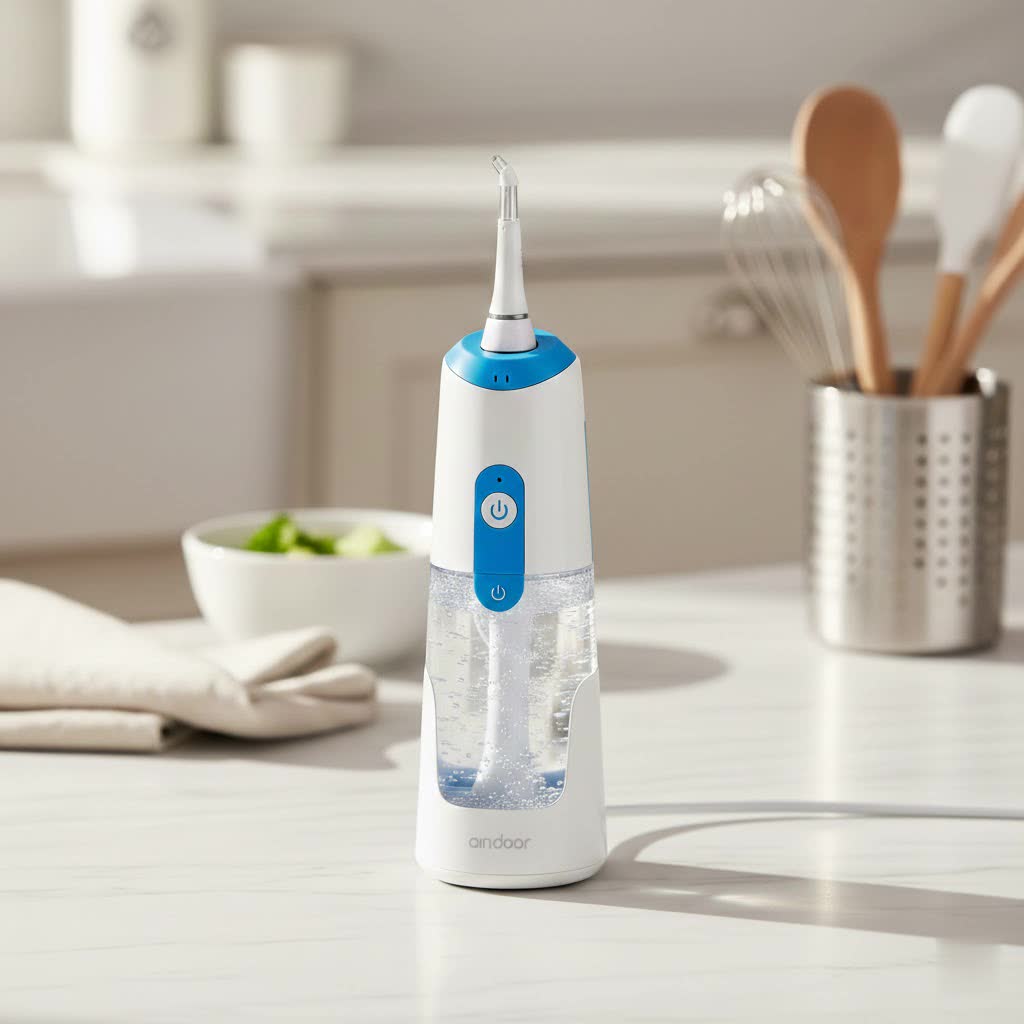
Achieving optimal oral health extends far beyond simply brushing your teeth twice a day. While brushing is fundamental, cleaning between your teeth and along the gumline is equally crucial for preventing plaque buildup, gingivitis, and bad breath. For many, traditional string floss can be cumbersome, uncomfortable, or difficult to use effectively. This is where the modern marvel of the water flosser, also known as an oral irrigator, steps in as a game-changer for dental hygiene. This comprehensive guide will explore what water flossers are, their benefits, the different types available, key factors for choosing the best model, detailed reviews of top-rated products, and essential usage and maintenance tips to help you achieve a healthier, brighter smile.
What is a Water Flosser? Why You Need One for Optimal Oral Health
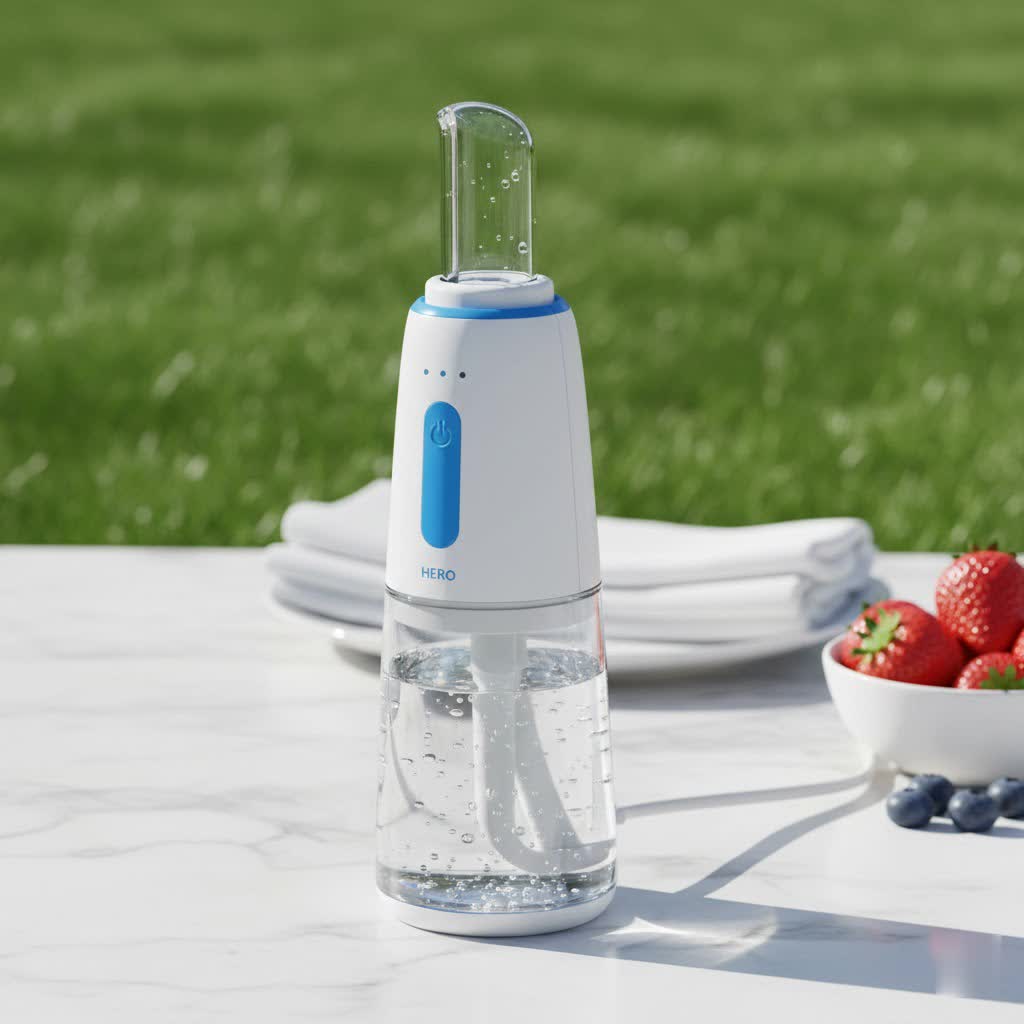
A water flosser is a handheld oral hygiene device that uses a focused stream of pulsating water to remove food particles, plaque, and bacteria from between teeth and below the gumline. Its mechanism involves a motor that creates pressure to deliver water through a specialized tip, effectively flushing out debris that brushing alone can miss.
Why should you consider adding a water flosser to your daily routine? The benefits are numerous and can significantly enhance your oral health:
- Superior Plaque and Debris Removal: Water flossers are highly effective at dislodging food particles and plaque, especially in hard-to-reach areas, around dental work like braces, bridges, and implants.
- Reduced Gingivitis and Gum Inflammation: The pulsating water stream not only cleans but also gently massages the gums, which can improve circulation and significantly reduce gum bleeding and inflammation associated with gingivitis.
- Fresher Breath: By eliminating food debris and bacteria, water flossers contribute to a noticeably fresher mouth and help combat halitosis.
- Ease of Use: Many individuals find water flossing easier and more comfortable than traditional string floss, particularly those with limited dexterity, orthodontic appliances, or sensitive gums.
- Scientific Support: Dentists often recommend water flossers as a beneficial supplement to brushing, especially for patients who struggle with interdental cleaning, noting that “water flossers are a brilliant addition to interdental cleaning” – Dr. Richard Marques, Harley Street dentist.
While water flossers are highly effective, it is important to note that many dental professionals view them as an excellent complement to, rather than a complete replacement for, the mechanical scraping action of traditional string floss or interdental brushes.
Types of Water Flossers: Finding Your Ideal Match
Water flossers come in various designs, each catering to different preferences and needs. Understanding the main types can help you choose the one that best fits your lifestyle:
Countertop Water Flossers
These models are typically larger and designed to sit on your bathroom counter, requiring an electrical outlet.
- Pros:
- Larger Reservoir: Generally hold more water (often 20-22 fluid ounces), meaning fewer refills during a single flossing session.
- More Pressure Settings: Offer a wider range of pressure adjustments, from gentle to powerful, providing greater customization.
- Higher Power: Often deliver a stronger, more consistent water stream, making them highly effective.
- More Tips: Usually include a greater variety of specialized tips for different needs (e.g., orthodontic, plaque seeker, periodontal).
- Cons:
- Bulky: Take up more counter space.
- Corded: Require proximity to an electrical outlet.
- Louder: Can be noisier during operation compared to cordless models.
- Ideal for: Families who share a device, users needing consistent high pressure, individuals with extensive dental work, and those who prefer not to refill frequently.
Cordless/Portable Water Flossers
These compact, battery-operated units are designed for portability and convenience.
- Pros:
- Compact & Travel-Friendly: Smaller footprint, easy to store and pack for travel.
- Quieter Operation: Generally less noisy than countertop models.
- Waterproof: Many are designed for use in the shower, which can make daily flossing less messy and easier to integrate into a routine.
- Ergonomic Design: Often feature contoured handles for a comfortable grip.
- Cons:
- Smaller Reservoir: Typically hold less water (5-7 fluid ounces), requiring refills during each use.
- Fewer Pressure Settings: May offer fewer pressure options, potentially limiting customization.
- Less Powerful: Some models might have a slightly weaker stream compared to their corded counterparts.
- Ideal for: Travelers, individuals with limited bathroom counter space, those who prefer to floss in the shower, and beginners who want a simple, easy-to-handle device.
How to Choose the Best Water Flosser: A Comprehensive Buying Guide
Selecting the right water flosser can seem daunting with the array of options available. Consider these crucial factors to ensure you pick a model that meets your specific oral care needs:
Key Factors to Consider
- Pressure Settings: Adjustable pressure settings are paramount for both comfort and effectiveness. If you have sensitive gums, you’ll want a model with gentle options. For braces or tougher plaque, higher pressure can be beneficial. Look for models offering 3 to 10 settings, or even specific PSI ranges.
- Reservoir Capacity: This dictates how often you’ll need to refill the tank during a single flossing session. Countertop models usually offer 20-22 fluid ounces for uninterrupted cleaning, while portable models might hold 5-7 fluid ounces, requiring a refill mid-session.
- Nozzle Tips: Different tips are designed for specific purposes. Common types include:
- Standard Jet Tip: For general cleaning.
- Orthodontic Tip: Designed for cleaning around braces and wires.
- Plaque Seeker Tip: Features bristles for enhanced plaque removal.
- Periodontal Tip: Soft, rubber-tipped for gentle subgingival irrigation.
- Tongue Scraper Tip: For freshening breath.
Consider a model that includes a variety of tips or where additional tips can be easily purchased.
- Features and Ergonomics:
- Massage Modes: Some flossers offer pulsating modes for gum stimulation.
- Timers: Built-in timers (e.g., 30-second quadrant timers, 1-minute total) help ensure adequate cleaning time.
- Charging Method: USB-C charging is more convenient for travel than proprietary chargers.
- Waterproof Rating (IPX7): Essential if you plan to use it in the shower.
- Tip Storage: Integrated storage for tips can keep your bathroom tidy.
- Brand and Reliability: Reputable brands like Waterpik, Philips Sonicare, and Oral-B often come with a proven track record and better customer support.
- ADA Acceptance: The American Dental Association (ADA) Seal of Acceptance indicates that a product has met strict safety and efficacy standards. While not all good products have it, it’s a strong indicator of quality.
- Warranty: Water flossers are an investment, so a warranty of at least 1-3 years provides peace of mind against manufacturing defects.
- Noise Level: Some units can be quite loud. If noise is a concern, check reviews for mentions of quiet operation.
Top-Rated Water Flossers: Detailed Reviews
Based on expert testing, user feedback, and comprehensive evaluations, here are some of the top-rated water flossers on the market today:
1. Waterpik Aquarius Water Flosser
The Waterpik Aquarius is consistently hailed as one of the best overall water flossers, often holding the American Dental Association (ADA) Seal of Acceptance. It features ten pressure settings, allowing for a highly customized cleaning experience, and comes with seven different tips, making it versatile for various oral health needs, including cleaning around orthodontia. Its generous 22-fluid ounce reservoir means you won’t need to refill mid-session. Users appreciate its reliable flossing action and streamlined design. However, it is known to be on the louder side, and its integrated tip storage is limited.
2. Philips Sonicare Cordless Power Flosser 3000
If quiet operation and multiple pressure settings are high on your list, the Philips Sonicare Cordless Power Flosser 3000 is an excellent choice. It offers up to 10 pressure settings and two cleaning modes, including a “Deep Clean” pulsing action. A standout feature is its unique Quad Stream tip, which creates four wide streams of water for comprehensive coverage. With an 8.4-fluid ounce (250ml) reservoir, it provides enough water for a full minute-long session and often features USB-C charging for convenience. It’s particularly recommended for individuals with hardware like braces.
3. COSLUS Water Flosser
Often recognized as a top budget-friendly option that delivers exceptional performance, the Coslus Water Flosser has garnered praise for its affordability and effectiveness. It features a 300ml tank, four attachments including a standard, orthodontic, cleaning, and tongue scraper tip, and multiple pressure settings. Testers often note that it leaves the mouth feeling remarkably fresh, comparable to a professional cleaning. Its compact design makes it easy to store and portable, though some models may not be fully waterproof and lack a travel case.
4. Waterpik Cordless Advanced 2.0 Water Flosser
For those seeking portability without compromising on quality, the Waterpik Cordless Advanced 2.0 is a leading choice. This ergonomic and waterproof model is ideal for travel or for use in the shower, making daily flossing hassle-free. It offers three cleaning modes and comes with travel-ready accessories and a convenient magnetic charger. Holding approximately 7 fluid ounces, it’s compact but requires refilling for a full cleaning cycle. It also carries the ADA Seal of Acceptance, assuring its efficacy. The main drawback might be that the reservoir can be difficult to remove for cleaning.
5. Oral-B Aquacare 6 Pro-Expert Water Flosser
This model stands out for its unique Oxyjet Technology, which infuses water with microbubbles to enhance cleaning power and gently massage gums, making it an excellent option for sensitive teeth and gums. The Oral-B Aquacare 6 Pro-Expert offers good battery life and relatively quiet operation. While its 150ml reservoir may require refilling during a two-minute session, its three intensity settings and different nozzle options provide a comfortable yet effective clean, with a whirlpool tip that can also serve as a tongue cleaner.
How to Use Your Water Flosser Effectively
To get the most out of your water flosser and ensure optimal oral hygiene, follow these simple steps:
- Fill the Reservoir: Fill the water tank with lukewarm water. You can add a small amount of mouthwash for a fresher feeling, though dentists note this doesn’t typically increase cleaning efficacy beyond what water alone provides.
- Lean Over the Sink: Position yourself over the sink to allow the water to drain easily from your mouth, preventing splashes.
- Position the Tip: Place the tip of the flosser in your mouth at a 90-degree angle to your teeth, holding it slightly away from your teeth and gums initially.
- Close Lips Slightly: Partially close your lips around the tip to minimize spray, allowing water to flow into the sink.
- Start on Low Pressure: Begin on the lowest pressure setting, especially if you’re new to water flossing or have sensitive gums. Gradually increase the pressure as you get comfortable.
- Aim and Move: Direct the water stream at the gum line and target the areas between your teeth. Work your way around your mouth, focusing on each tooth for a few seconds. Experts recommend “intermittent spraying” to make the process efficient and prevent your mouth from getting full of water without effect. Aim for a total flossing session of about two minutes.
- Empty and Rinse: After each use, empty any remaining water from the reservoir and rinse it thoroughly with clean water to prevent bacterial growth.
Where to Buy Water Flossers and What to Expect in Price
Water flossers are widely available across various retail channels, offering a range of prices to suit different budgets.
Reliable Purchase Channels:
- Online Retailers: Amazon, Walmart, Target, Boots, Notino, and the official websites of brands like Waterpik and Philips Sonicare are excellent sources for a wide selection, competitive pricing, and user reviews.
- Electronics Stores: Major electronics retailers often stock a variety of oral care devices, including water flossers.
- Pharmacies and Drugstores: Many pharmacies carry popular water flosser brands.
Price Ranges:
- Budget-Friendly ($20-$50/£17-£40): These models, such as the Coslus Water Flosser or Binefia Portable Oral Irrigator, are great entry-points, offering essential functions and good performance without a hefty price tag.
- Mid-Range ($70-$120/£60-£100): This segment includes popular choices like the Waterpik Aquarius, Philips Sonicare Cordless Power Flosser 3000, and Waterpik Cordless Advanced. They offer a strong balance of features, performance, and durability.
- High-End ($120+/£100+): Premium models, such as the Panasonic Series 800 Ultrasonic Oral Irrigator, often boast advanced technology, sleek designs, and additional features for those seeking top-tier performance.
Tips for Saving: Keep an eye out for sales events (like Black Friday, Prime Day), bundle deals, or manufacturer promotions. Comparing prices across different retailers can also help you find the best value.
Cleaning and Maintaining Your Water Flosser
Proper cleaning and maintenance are essential to prolong the life of your water flosser and ensure hygienic use:
- After Every Use: Always empty any remaining water from the reservoir and rinse it with fresh water. Leave the reservoir lid open to air dry to prevent mold and mildew.
- Weekly/Bi-weekly Cleaning: For a deeper clean, fill the reservoir with warm, soapy water or a solution of white vinegar and water (e.g., 2 parts water to 1 part vinegar). Run about half of the solution through the unit, aiming the tip into the sink. Allow the remaining solution to sit in the reservoir for 20-30 minutes, then run it through the unit. Finish by running a full tank of clean water through the flosser to rinse.
- Replace Tips Regularly: Water flosser tips can wear out or become less effective over time. Most manufacturers recommend replacing them every 3 to 6 months, or sooner if bristles are frayed or the tip is damaged.
- Troubleshooting: If you experience weak pressure or clogging, it’s often due to mineral buildup. Regular descaling with a vinegar solution can prevent and resolve these issues. Always refer to your model’s user manual for specific cleaning instructions.
Buying Guide: Tailoring Your Choice
Your ideal water flosser largely depends on your budget and individual oral health needs.
By Budget:
- Budget-friendly: These flossers are perfect for those new to water flossing or on a tight budget. They offer core functionality and are a significant upgrade from not flossing at all. Examples include the Coslus Water Flosser or Binefia Portable Oral Irrigator.
- Mid-range: Providing the best value, these models offer a good balance of features, pressure settings, and durability. They are suitable for most users looking for a reliable daily flosser without breaking the bank. The Waterpik Aquarius or Philips Sonicare Cordless Power Flosser 3000 fit this category.
- Premium: If you desire advanced features, superior technology, and a sleek design, high-end water flossers are worth the investment. They often come with more accessories and specialized functions.
By Personal Needs:
- For New Users: Start with a portable model with adjustable, gentle pressure settings, like the Binefia Portable Oral Irrigator, to gradually acclimate your gums.
- For Users with Braces or Orthodontics: Models with specialized orthodontic tips and strong yet precise streams are crucial. The Waterpik Ultra Cordless Water Jet Flosser or Philips Sonicare’s Quad Stream tip are highly recommended.
- For Sensitive Gums: Look for flossers with multiple pressure settings, including a “soft” or “gentle” mode, and possibly Oxyjet technology as found in the Oral-B Aquacare.
- For Travelers: Compact, cordless, and waterproof models are ideal. The Waterpik Cordless Advanced 2.0 and Quip Rechargeable Cordless Water Flosser are excellent travel companions.
- For Individuals with Limited Dexterity: Countertop models with larger reservoirs and easier-to-handle wands might be more practical than smaller, refill-intensive cordless units.
Conclusion
Incorporating a top-rated water flosser into your daily oral hygiene regimen can be a transformative step towards achieving and maintaining a healthier, cleaner mouth. With their ability to reach areas traditional brushing and flossing often miss, water flossers effectively remove plaque, reduce gum inflammation, and leave your breath feeling remarkably fresh. Whether you opt for a powerful countertop model with diverse features or a compact, portable unit for on-the-go convenience, choosing the right water flosser depends on understanding your specific needs and preferences. By considering factors such as pressure settings, reservoir capacity, nozzle types, and ergonomic design, you can confidently select a device that will become an invaluable ally in your quest for optimal dental health. Invest in a top-rated water flosser today, and experience the difference a truly clean smile can make. What will be the biggest improvement you notice in your oral health?
Câu Hỏi Thường Gặp
Are water flossers as good as string floss?
Water flossers are highly effective at removing plaque and food debris, especially for those with braces, implants, or dexterity issues. While they complement string floss by offering excellent interdental cleaning, many dentists recommend them as an addition rather than a complete replacement for the mechanical scraping action of string floss.
What is the best water flosser for sensitive gums?
For sensitive gums, look for water flossers with multiple pressure settings, allowing you to choose a gentle mode. Models like the Binefia Portable Oral Irrigator, which features a “soft” setting, or the Oral-B Aquacare 6 Pro-Expert with its Oxyjet technology, are often recommended for their gentle yet effective cleaning action.
Can I use mouthwash in my water flosser?
Yes, you can use mouthwash in your water flosser, often diluted with lukewarm water. While it can provide a fresher feeling, dental experts generally agree that adding mouthwash does not significantly enhance the cleaning efficacy of the water flosser itself beyond what water alone provides.
How often should I use my water flosser?
For optimal oral hygiene, it is recommended to use your water flosser once daily. This consistent use helps to regularly remove food particles and plaque, reducing the risk of gum disease and maintaining fresh breath. You can use it either before or after brushing.
Which water flosser brands have ADA acceptance?
Several top brands and models have earned the American Dental Association (ADA) Seal of Acceptance, indicating they meet high standards for safety and effectiveness. Notable ADA-accepted water flossers include the Waterpik Aquarius Water Flosser, Philips Sonicare Power Flosser 3000, and Waterpik Cordless Advanced 2.0.