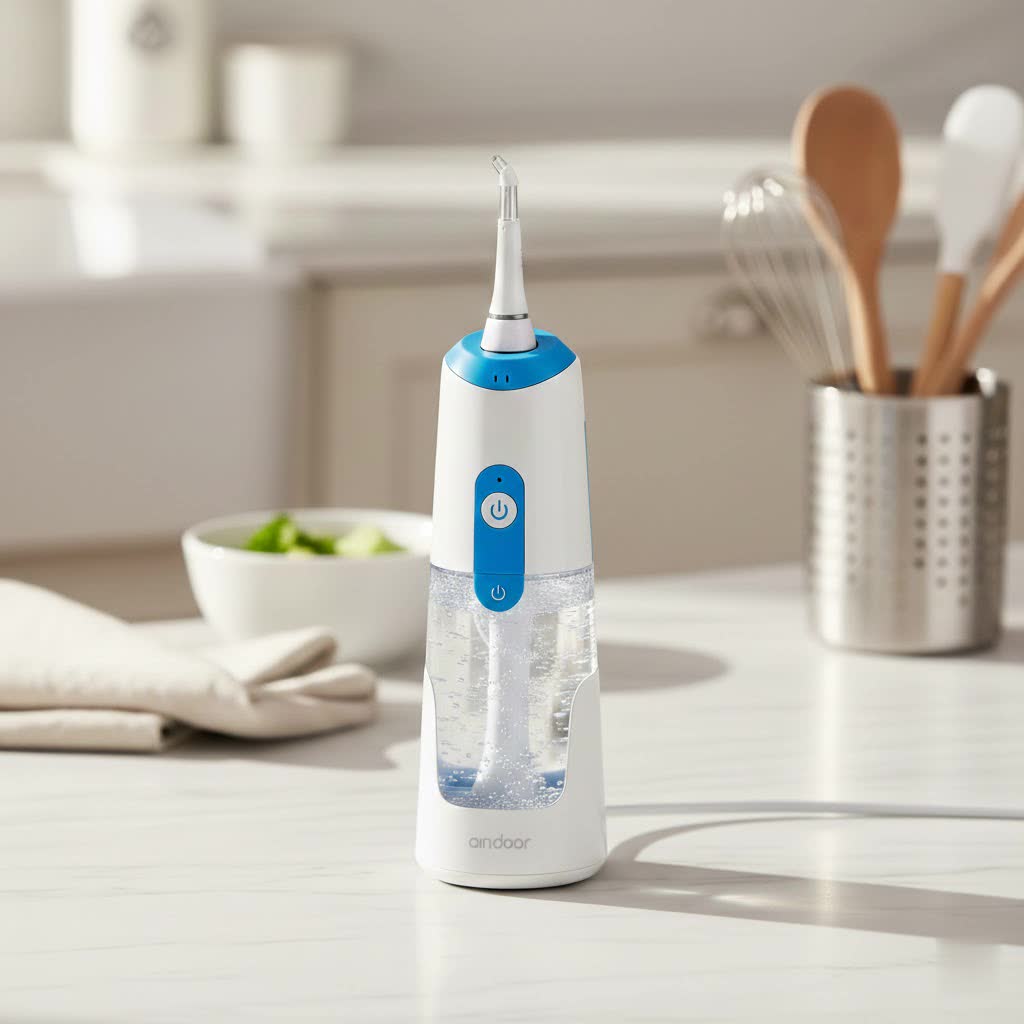
Periodontal disease, commonly known as gum disease, affects millions, often leading to bleeding gums, inflammation, and ultimately, tooth loss if left untreated. While brushing and traditional flossing are foundational, they often fall short in reaching critical areas where harmful bacteria thrive. Have you ever wondered if there’s a more effective, yet gentle, way to combat this persistent oral health challenge? Enter the water flosser – a revolutionary tool that has transformed daily oral hygiene routines and offers significant advantages for those battling periodontal disease. This guide will explore how water flossers work, their proven benefits, how to choose the best one for your needs, and how to integrate it into your regimen for a healthier smile.
Water Flosser: What It Is and Why You Need It for Periodontal Health
A water flosser, also known as an oral irrigator or dental water jet, is a device that uses a targeted, pulsating stream of water to clean between teeth and below the gumline. Its mechanism involves a motor and pump that directs a pressurized stream of water through a specialized tip, dislodging food particles, plaque, and bacteria from areas a toothbrush often misses. This pulsating action is key, not only flushing out debris but also stimulating blood flow in the gums, which is crucial for gum health.
For individuals with periodontal disease, water flossers offer superior benefits beyond surface cleaning. Clinical studies show that water flossers can effectively penetrate periodontal pockets up to 6 millimeters deep, significantly reducing periodontal pathogens in these hard-to-reach areas without harming soft tissues. They are remarkably effective in reducing gingival inflammation and bleeding on probing (BOP) – key indicators of gum disease progression. In fact, some research indicates that water flossers can be significantly more effective than traditional flossing in reducing gingivitis and bleeding. The ability of the water stream to cleanse deep into gum pockets helps disrupt bacterial colonies and prevent the advancement of gum disease, making it an indispensable tool for comprehensive periodontal care.
Types of Water Flossers and Their Suitability for Gum Disease
Understanding the different types of water flossers available can help you select the ideal device for your specific periodontal needs. Each type offers distinct advantages and considerations:
Countertop Water Flossers
These models are typically larger and designed to sit on your bathroom counter.
- Advantages: They often boast larger water reservoirs, providing longer cleaning sessions without refilling. Countertop units usually offer a wider range of pressure settings, from very gentle to powerful, accommodating various sensitivities and cleaning requirements. Many come with multiple specialized tips, including those designed for periodontal pockets.
- Disadvantages: Their size can be a drawback for small bathrooms or travel, and they require an electrical outlet.
- Best for: Users who prioritize maximum power, a wide array of features, and don’t need portability. They are excellent for thorough daily cleaning for those managing significant periodontal issues.
Cordless/Portable Water Flossers
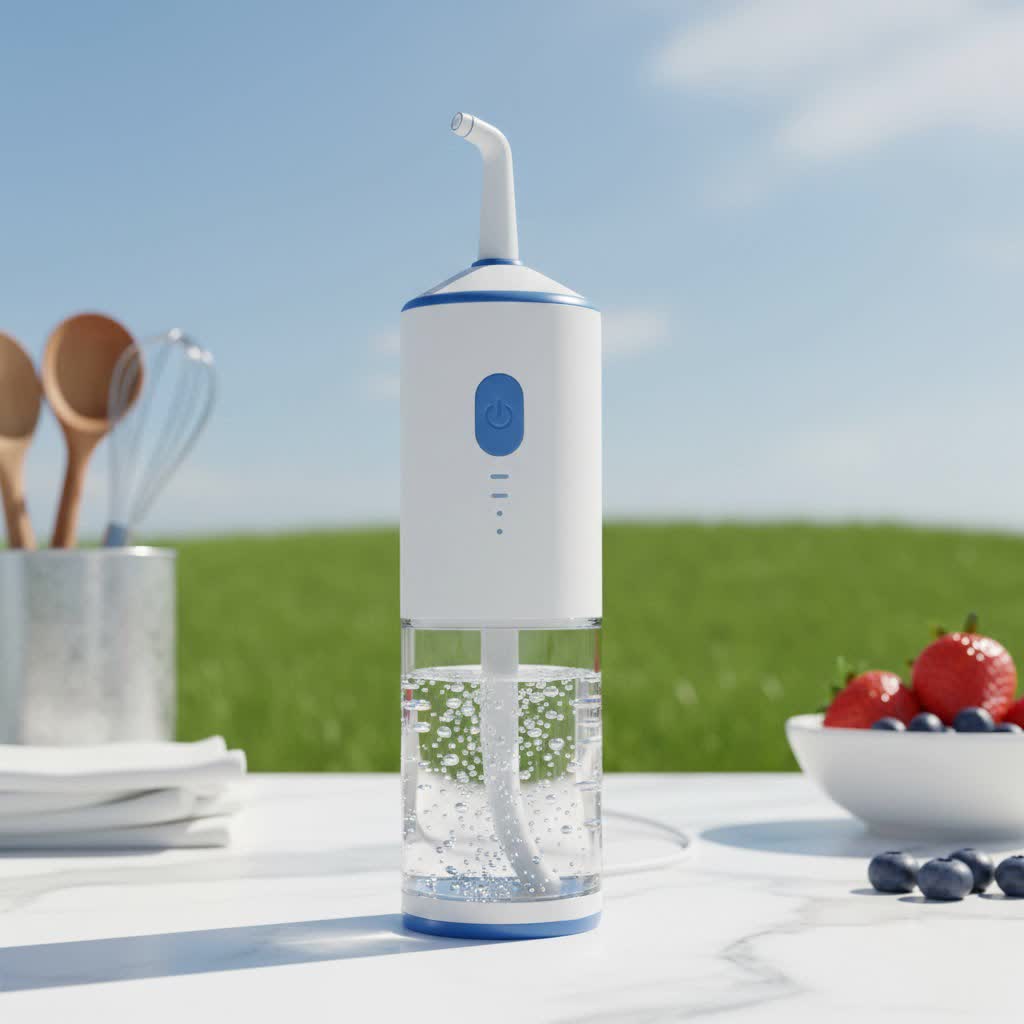
These compact, battery-operated devices are designed for convenience and travel.
- Advantages: Their cordless design offers freedom of movement, and their smaller footprint makes them ideal for travel or limited counter space. Many are rechargeable, eliminating the need for constant battery replacement.
- Disadvantages: They typically have smaller reservoirs, requiring more frequent refills during a single cleaning session. The pressure settings might be less varied compared to countertop models, and battery life needs management.
- Best for: Individuals seeking flexibility, portability, or those with smaller bathrooms. They are suitable for maintaining periodontal health on the go or as a secondary device.
Specialized Features and Tips
Many water flossers come with interchangeable tips, some specifically designed for periodontal care:
- Periodontal Tips (Pik Pocket™ Tips): These feature a soft rubber tip designed to gently deliver therapeutic rinses or water into periodontal pockets.
- Plaque Seeker™ Tips: With three thin tufts of bristles, these tips target plaque around implants, crowns, bridges, and other dental work, areas where bacteria can easily accumulate and exacerbate gum disease.
- Orthodontic Tips: Ideal for individuals with braces, helping to clean around wires and brackets where plaque can easily hide.
Choosing a model with adjustable pressure settings is crucial for periodontal disease. You can start with a lower, gentler setting, especially if your gums are inflamed or sensitive, and gradually increase it as your gum health improves.
Choosing the Right Water Flosser for Periodontal Care
Selecting the best water flosser means finding a balance between features, effectiveness, and your personal needs. Here’s a detailed guide and a comparison of top models.
Comparison Table: Leading Water Flossers for Periodontal Disease
| Feature | Waterpik Aquarius | Philips Sonicare Power Flosser 3000 | Waterpik Cordless Advanced |
|---|---|---|---|
| Type | Countertop | Cordless | Cordless |
| Reservoir Size | 22 oz (90 secs) | 8.4 oz (60 secs) | 7 oz (45 secs) |
| Pressure Settings | 10 | 3 intensities, 2 modes | 3 |
| Included Tips | 7 (incl. periodontal, plaque) | 2 (Quad Stream, Standard) | 4 (incl. periodontal, plaque) |
| Special Features | Massage mode, built-in timer | Quad Stream nozzle, easy fill | Travel bag, quiet operation |
| Ideal User | Comprehensive home use, significant gum issues | Portability, deep clean for braces | Travel, small spaces, beginners |
Factors to Consider When Buying
- Water Pressure: Look for models with a wide range of adjustable pressure settings. For periodontal disease, starting with a gentle setting is vital to avoid irritation, and then gradually increasing it as your gums become healthier. Many advanced models offer a “massage” mode, which can also be beneficial for gum stimulation.
- Reservoir Capacity: A larger reservoir means less refilling during your cleaning session, ensuring a consistent and uninterrupted clean. Countertop models generally offer the largest capacities.
- Specialized Tips: Ensure the water flosser comes with or is compatible with a periodontal tip (often called Pik Pocket™ tip). This tip is designed to deliver water or therapeutic rinses gently below the gumline into periodontal pockets, which is crucial for managing gum disease. Plaque Seeker™ tips are also highly beneficial for targeting plaque around dental work.
- Ease of Use and Ergonomics: For those with limited dexterity, a lightweight, easy-to-handle model can make a significant difference. Cordless options often offer more maneuverability. Consider how easy the reservoir is to fill and clean.
- Brand Reputation and ADA Seal: Opt for brands with a strong reputation in oral health. The American Dental Association (ADA) Seal of Acceptance indicates that a product has met rigorous safety and efficacy standards, providing an extra layer of trust.
Top Water Flossers Recommended for Periodontal Disease
Choosing an effective water flosser is a key step in managing periodontal disease. Here are some of the top models frequently recommended by dental professionals and users alike:
-
Waterpik Aquarius Water Flosser
- Pros: Often hailed as the “best overall,” the Aquarius offers ten pressure settings, allowing for a highly customized and gentle yet effective clean. It includes seven tips, crucially a periodontal tip, making it excellent for gum disease management. Its large reservoir provides ample cleaning time, and it features a convenient massage mode. It holds the ADA Seal of Acceptance.
- Cons: As a countertop model, it takes up space and is not ideal for travel. It can be louder than cordless alternatives.
- Ideal for: Anyone serious about comprehensive home oral care, especially those with sensitive gums, early-stage gum recession, or moderate periodontal issues requiring varied pressure and specialized tips.
-
Philips Sonicare Power Flosser 3000
- Pros: This cordless model is praised for its powerful yet gentle cleaning. It features unique Quad Stream nozzle technology that creates four wide streams for excellent coverage between teeth and along the gumline. It offers three intensity settings and two modes (clean and deep clean) for tailored use.
- Cons: Smaller reservoir than countertop models means more frequent refills. It may not offer as many specialized tips as Waterpik models.
- Ideal for: Users seeking a high-performance cordless option, those with braces, or anyone desiring a thorough yet comfortable clean from a reputable brand.
-
Waterpik Cordless Advanced Water Flosser
- Pros: This portable unit delivers the effectiveness of Waterpik in a compact form. It offers three pressure settings, four tips (including a periodontal tip), and a magnetic charger. It’s waterproof and comes with a travel bag, making it ideal for those on the go.
- Cons: Smaller reservoir capacity and fewer pressure settings compared to the Aquarius.
- Ideal for: Travelers, those with limited bathroom space, or individuals who need a balance of portability and effective periodontal care.
These models are celebrated for their ability to deliver a pulsating stream of water that effectively dislodges plaque and bacteria from interdental spaces and below the gumline, significantly contributing to the reduction of gingivitis and gum bleeding.
How to Use Your Water Flosser Effectively for Periodontal Pockets
Using a water flosser correctly is essential to maximize its benefits for periodontal disease and ensure you don’t cause further irritation. Follow these steps for an effective cleaning routine:
- Fill the Reservoir: Fill the water flosser’s reservoir with lukewarm water. For enhanced benefits, your dentist might recommend adding a therapeutic mouthwash or a prescribed antimicrobial solution, especially if you have deep pockets or active infection.
- Select the Right Tip: For periodontal disease, the Pik Pocket™ tip (if available for your model) is highly recommended as it’s designed to deliver water gently into gum pockets. Otherwise, use a standard jet tip.
- Adjust Pressure: Begin with the lowest pressure setting, especially if your gums are inflamed or sensitive. You can gradually increase the pressure as your gums become healthier and more accustomed to the sensation.
- Position the Tip: Lean over a sink. Place the tip at a 90-degree angle to your gumline. If using a Pik Pocket™ tip, gently place the soft tip against the tooth at a 45-degree angle, aiming slightly below the gumline. Do not force the tip into the gum pocket.
- Start Flossing: Turn on the device. Glide the tip along the gumline, pausing briefly between each tooth to allow the water to thoroughly clean the area. Work your way around your entire mouth, focusing on both the front and back surfaces of your teeth and gums.
- Cover All Areas: Ensure you clean both the facial (outer) and lingual (inner) surfaces of your teeth, as well as the chewing surfaces. Pay special attention to areas with deep pockets or dental work.
- Empty and Clean: Once finished, turn off the device and empty any remaining water from the reservoir to prevent bacterial growth.
Important Tips:
- Don’t Rush: Take your time, usually 1 to 2 minutes for a complete cleaning. Many models have timers to guide you.
- Frequency: Most dentists recommend using a water flosser once daily, ideally after brushing, as part of your evening oral hygiene routine. Your dentist might suggest twice daily depending on your condition.
- Gentle Approach: Never use excessive force or high pressure if your gums are bleeding or sore. The goal is gentle irrigation.
- Consult Your Dentist: Always follow your dental professional’s specific instructions regarding pressure, frequency, and any recommended solutions for your water flosser, especially when managing periodontal disease.
Where to Buy Water Flossers? Price and Savings
Investing in a water flosser is a significant step towards better periodontal health, and knowing where to purchase one and what to expect regarding pricing can help you make an informed decision.
Retail Channels
Water flossers are widely available through various channels:
- Online Retailers: Websites like Amazon, Walmart, Target, and the official brand websites (e.g., Waterpik.com, Philips.com) often offer the widest selection, competitive prices, and customer reviews. This is a convenient option for comparing models and features from the comfort of your home.
- Brick-and-Mortar Stores: Major electronics stores, pharmacies (e.g., CVS, Walgreens), and department stores typically stock a range of popular water flosser models. Shopping in person allows you to physically examine the device and consult with sales associates.
- Dental Offices: Some dental clinics may sell specific models or provide recommendations, sometimes offering professional-grade versions not found elsewhere.
Price Range
The cost of water flossers can vary significantly based on brand, type (countertop vs. cordless), features, and included accessories.
- Budget-Friendly (Under $50): These are usually basic cordless models or entry-level countertop units. They offer essential flossing functions but may have fewer pressure settings, smaller reservoirs, and fewer specialized tips.
- Mid-Range ($50 – $100): This category includes popular models like the Waterpik Aquarius or mid-tier cordless options. They offer a good balance of features, pressure settings, reservoir capacity, and often include a decent selection of tips. This is where you’ll find excellent value for effective periodontal care.
- Premium ($100+): High-end models often boast advanced features such as multiple modes, smart connectivity, enhanced battery life, premium materials, and a comprehensive set of specialized tips. Some integrated units that combine a water flosser with an electric toothbrush also fall into this range.
Tips to Save Money
- Look for Sales: Major shopping holidays (Black Friday, Cyber Monday, Amazon Prime Day) or seasonal sales are excellent times to find discounts.
- Compare Prices: Always check multiple retailers, both online and offline, as prices can vary.
- Bundle Deals: Sometimes, brands offer bundles that include extra tips or travel accessories at a reduced combined price.
- Warranty: Consider the warranty. While not a direct saving, a good warranty can save you money on replacements or repairs down the line.
Cleaning and Maintaining Your Water Flosser
Proper cleaning and maintenance are crucial for extending the lifespan of your water flosser and ensuring it remains hygienic and effective, especially when you’re using it to manage periodontal disease.
Regular Cleaning
- Empty After Each Use: Always empty any remaining water from the reservoir after each use to prevent stagnant water, bacterial growth, and mold.
- Rinse Reservoir: Rinse the reservoir with clean water. For a deeper clean, you can hand wash it with mild dish soap and warm water, or some reservoirs are top-rack dishwasher safe (check your manual).
- Wipe Down Exterior: Wipe the exterior of the unit with a soft, damp cloth to remove toothpaste residue or water spots.
- Clean Tips: Rinse the flosser tips thoroughly under running water after each use. Replace tips every 3-6 months, or more frequently if they show signs of wear, as worn tips can be less effective.
Descaling (Monthly or Bi-Monthly)
Mineral deposits from tap water can build up inside your water flosser, affecting its performance and potentially harboring bacteria. Descale your unit regularly:
- Prepare Solution: Mix 2 tablespoons of white vinegar with 16 ounces (2 cups) of warm water in the reservoir.
- Run Half the Solution: Place the tip in the sink and run about half of the vinegar solution through the unit until the reservoir is half empty.
- Soak: Turn off the unit and let it sit for 20-30 minutes to allow the vinegar to break down mineral deposits.
- Rinse Thoroughly: Run the remaining solution through the unit. Then, fill the reservoir with clean, warm water and run a full reservoir of clean water through the unit to flush out any vinegar taste and remaining mineral residue.
Common Issues and Troubleshooting
- Weak Water Stream: This often indicates mineral buildup (descaling is needed) or a partially clogged tip. Ensure tips are clean and try descaling.
- Leaking: Check that the reservoir is seated correctly and that all connections are secure. Rubber seals can wear out over time and may need replacement.
- Unit Not Turning On: Ensure the unit is properly plugged in (for countertop models) or fully charged (for cordless models). Check for any tripped circuit breakers.
By following these maintenance steps, you can keep your water flosser in optimal condition, ensuring it continues to be a reliable and effective tool in your fight against periodontal disease.
Buying Guide: Tailoring Your Choice to Specific Needs
Finding the perfect water flosser means considering your budget and individual oral health requirements. Here’s a guide to help you narrow down your options:
Budget Considerations
-
Water Flossers on a Budget (Under $50):
- Pros: Accessible entry point, provides basic interdental cleaning. Good for testing if a water flosser fits your routine without a significant investment.
- Cons: Often have fewer features, limited pressure settings, smaller reservoirs, and may not include specialized periodontal tips. Durability might be a concern with some cheaper models.
- Best For: First-time users, those with minimal gum issues looking to enhance general oral hygiene, or individuals on a strict budget.
-
Mid-Range Water Flossers ($50 – $100):
- Pros: Offers the best value for money, combining essential features with enhanced performance. You’ll find a good range of pressure settings, decent reservoir sizes, and often specialized tips (like periodontal tips). Many ADA-accepted models fall into this range.
- Cons: Still might not have all the premium features of high-end models.
- Best For: Most users, including those with early to moderate periodontal disease, braces, implants, or sensitive gums who need reliable, effective cleaning.
-
Premium Water Flossers ($100+):
- Pros: Feature advanced technology, superior durability, a wider array of pressure settings and modes, larger reservoirs, and a complete set of specialized tips. Some include smart features or integrated brushing.
- Cons: Higher initial investment.
- Best For: Individuals with severe or complex periodontal conditions, multiple dental appliances, or those who prioritize maximum features, customization, and long-term reliability.
Personal Needs
- For Beginners: A cordless model with adjustable, gentle pressure settings is often easiest to start with. Simpler countertop models like the Waterpik Aquarius on a low setting are also good. Focus on models with intuitive controls.
- For Those with Braces: Water flossers are highly recommended for orthodontics. Look for models with orthodontic tips and powerful enough streams to dislodge food and plaque around wires and brackets, such as the Waterpik Aquarius or Philips Sonicare Power Flosser.
- For Individuals with Gum Inflammation/Periodontal Disease: Prioritize models with multiple pressure settings (including gentle), a periodontal tip, and a decent reservoir capacity for thorough cleaning. The Waterpik Aquarius is a strong contender due to its specialized tips and varied pressure. The pulsating action can also help massage inflamed gums gently.
- For Deep Pockets: A water flosser with a periodontal tip is essential. This tip is designed to deliver water or prescribed antimicrobial solutions directly into the pockets, helping to flush out bacteria and reduce inflammation where traditional flossing cannot reach effectively.
Conclusion
Water flossers have emerged as a powerful ally in the fight against periodontal disease, offering a unique and highly effective method for maintaining optimal gum health. By delivering a pulsating stream of water deep into interdental spaces and periodontal pockets, these devices excel at removing plaque, bacteria, and food debris that traditional brushing and flossing often miss. They demonstrably reduce gum inflammation and bleeding, making them an invaluable addition to any oral hygiene routine, especially for those managing gum disease, sensitive gums, or complex dental work like braces and implants.
Choosing the right water flosser, understanding its proper use, and committing to consistent maintenance are key to unlocking its full potential. With various models available to suit different budgets and needs, there’s a water flosser that can empower you to take control of your oral health. Don’t let periodontal disease compromise your smile. Are you ready to embrace this advanced tool for healthier gums and a brighter future?
Frequently Asked Questions
Can a water flosser reverse periodontal disease?
While a water flosser cannot reverse advanced periodontal disease (periodontitis) that has caused irreversible bone or tissue loss, it can significantly help in managing the condition, preventing its progression, and reducing symptoms like inflammation and bleeding. It is an excellent tool for maintaining gum health and can be part of a comprehensive treatment plan supervised by a dentist.
Is a water flosser better than string floss for gum disease?
For many individuals, especially those with gum inflammation, deep pockets, braces, implants, or dexterity issues, a water flosser can be more effective than string floss. Studies suggest water flossers are superior at reducing gingivitis and bleeding on probing, and can reach deeper into gum pockets. However, some dental professionals recommend using both for the most comprehensive oral hygiene.
What solution can I put in my water flosser for gum disease?
Most water flossers are designed for use with plain lukewarm water. However, for enhanced periodontal benefits, your dentist might recommend adding a non-prescription antimicrobial mouthwash, such as chlorhexidine (by prescription only) or diluted hydrogen peroxide, to the reservoir. Always consult your dental professional before using any solution other than water.
How often should I use a water flosser for periodontitis?
For individuals with periodontitis, dentists typically recommend using a water flosser once daily, preferably after brushing, as part of your evening routine. In some cases, your dentist may advise twice-daily use, especially during periods of active inflammation or for specific therapeutic rinses. Consistency is key for effective management.
Are water flossers safe for gum recession?
Yes, water flossers are generally safe for gum recession and can even be beneficial. Their gentle, pulsating stream cleans effectively along the gumline without the physical abrasion that can sometimes exacerbate recession with aggressive string flossing. Always start with a low-pressure setting and use a soft periodontal tip to ensure comfort and avoid irritation to sensitive areas.