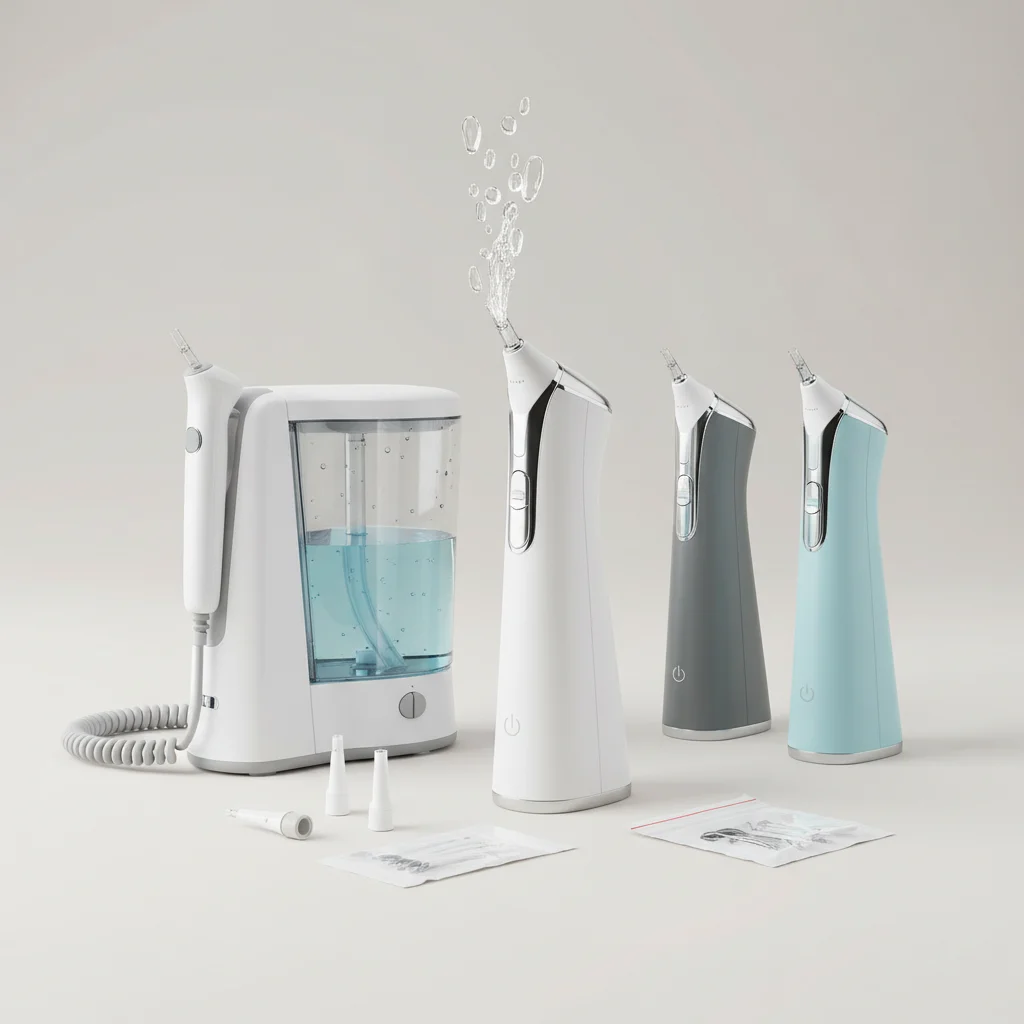
Are you struggling with red, swollen, or bleeding gums? You’re not alone. Gum disease affects millions, and while traditional brushing and flossing are crucial, they often aren’t enough to reach every nook and cranny where harmful bacteria hide. Imagine a dental tool that effortlessly cleans deep below your gumline, massages your tissues, and significantly reduces the symptoms of gingivitis and periodontitis. This is where the power of a water flosser comes into play, offering a revolutionary approach to maintaining a healthy, vibrant smile.
Water Flosser: A Comprehensive Solution for Gum Health
What is a Water Flosser? Why You Need It, Especially for Gum Disease
A water flosser, also known as an oral irrigator or dental water jet, is an innovative oral hygiene device that directs a pulsating stream of water to remove food particles, plaque, and bacteria from between your teeth and along and below the gumline. Unlike string floss, which can be challenging to maneuver, a water flosser uses hydrokinetic energy to clean hard-to-reach areas, making it an exceptional tool for those battling gum disease. By effectively dislodging plaque biofilm, water flossers help disrupt the bacterial colonies that cause inflammation and infection, forming the cornerstone of good gum health. For expert oral hygiene reviews on this site.
Benefits Over Traditional Flossing for Gum Disease
When it comes to managing gum disease, water flossers offer distinct advantages. They are remarkably effective at reducing gum inflammation and bleeding, which are key indicators of gingivitis. Many find water flossing to be less abrasive and more comfortable than string flossing, particularly individuals with sensitive gums, braces, dental implants, or those who struggle with dexterity. The gentle yet powerful stream of water also massages the gums, promoting better circulation and aiding in the healing process.
Scientific Evidence and Effectiveness
Numerous studies highlight the efficacy of water flossers in improving gum health. Research has shown that water flossers can reduce gum bleeding by a significant margin compared to string floss. They are also capable of reaching up to 6-7 millimeters into periodontal pockets, areas where traditional string floss often cannot penetrate. This deep cleaning is vital for individuals with periodontitis, as these pockets are breeding grounds for bacteria that can lead to bone loss and tooth mobility. Water flossers, when used as an adjunct to brushing, can lead to a 20-30% additional reduction in plaque levels and inhibit the formation of dental plaque, ultimately alleviating gingivitis and reducing the recurrence of periodontitis.
Understanding Different Water Flosser Types
Water flossers come in various designs, each offering unique features and benefits to suit different lifestyles and oral care needs.
Countertop Water Flossers
|
Our Picks for the Best Water Flosser in 2026
As an Amazon Associate I earn from qualifying purchases.
|
||
| Num | Product | Action |
|---|---|---|
| 1 | Bitvae Water Dental Flosser for Teeth, Cordless Water Teeth Cleaner Picks, 3 Modes 5 Intensities, IPX7 Waterproof, Rechargeable Water Dental Picks for Cleaning - Black |

|
| 2 | Electric Toothbrush with Water Flosser Combo, Professional Flossing Toothbrush with 3 Sonic Brush Modes & 5 Water Pressures, Cordless Water Flosser for Adults Teeth Cleaning Plaque Removal |
|
| 3 | Waterpik Aquarius Water Flosser For Teeth Cleaning, Gums, Braces, Dental Care, Electric Power With 10 Settings, 7 Tips For Multiple Users And Needs, ADA Accepted, Black WP-662, Packaging May Vary |
|
| 4 | Waterpik Cordless Pulse Rechargeable Portable Water Flosser for Teeth, Gums, Braces Care and Travel with 2 Flossing Tips, Waterproof for Shower, ADA Accepted, WF-20 White, Packaging and Tips May Vary |
|
| 5 | Onlyone Rechargeable Cordless Water Flosser with Adjustable Water Pressure for Daily Oral Care, Power Dental Flosser for Home and Travel Use, Portable Oral Irrigator for Sensitive Gums and Braces Care |
|
| 6 | COSLUS Water Dental Flosser Pick for Teeth: 4 Modes Cordless Portable 300ML Larger Tank Water Teeth Cleaner IPX7 Waterproof Flossing Cleaning Picks for Home Travel Black C30(FC5360) |
|
| 7 | Electric Toothbrush with Water Flosser, Upgrade Flossing Toothbrush Combo with 3 Brush + 1 Nozzle, 5 Floss Speeds&3 Brush Modes, 500mL Tank, 30-Day Battery, for Adults & Teens, Gums, Braces-White |
|
| 8 | Cordless Water Flosser for Teeth, U-Shaped Flossing 360° Deep Clean, 5 Modes 7 Jet Tips for Adult & Child, Portable Rechargeable Dental Flosser Pick for Braces, Travel, 350ML Large Tank |
|
| 9 | Waterpik Aquarius Water Flosser For Teeth Cleaning, Gums, Braces, Dental Care, Electric Power With 10 Settings, 7 Tips For Multiple Users And Needs, ADA Accepted, White WP-660, Packaging May Vary |
|
| 10 | COSLUS Water Dental Flosser Teeth Pick: Portable Cordless Oral Irrigator 300ML Rechargeable Travel Irrigation Cleaner IPX7 Waterproof Electric Flossing Machine for Teeth Cleaning C20(F5020E) |
|
Countertop models are typically the most powerful and feature-rich water flossers available. They come with larger water reservoirs, meaning fewer refills during a single cleaning session, and often offer a wider range of pressure settings. Many countertop units include multiple specialized tips designed for various purposes, such as general cleaning, periodontal pockets, orthodontic appliances, and plaque removal. While they require dedicated counter space, their robust performance and extensive customization options make them ideal for comprehensive daily oral care, especially for those with moderate to severe gum disease.
Cordless Water Flossers
Cordless water flossers offer portability and convenience, making them excellent for smaller bathrooms or for those who travel frequently. These models are battery-operated and have a compact design with integrated, smaller water reservoirs. While they may require more frequent refilling than countertop units, they are often waterproof, allowing for use in the shower. Cordless options are particularly favored by users seeking flexibility and ease of use without compromising on effective interdental cleaning.
Comparison of Types
Choosing between countertop and cordless depends largely on your priorities. Countertop models generally offer superior power, greater water capacity, and more advanced features, making them a top choice for intensive gum disease management. Cordless models prioritize ease of use, portability, and space-saving, providing a great solution for maintaining gum health on the go. Both types, however, deliver a pulsating stream of water that is far more effective at cleaning beneath the gumline and between teeth than brushing alone.
How to Choose the Right Water Flosser for Your Needs
Selecting the ideal water flosser requires careful consideration of various factors to ensure it aligns with your specific oral health needs and preferences, especially when combating gum disease.
Detailed Comparison Table
| Feature | Waterpik Aquarius WP-660 | Philips Sonicare Cordless Power Flosser 3000 | Waterpik Cordless Advanced 2.0 | Aquasonic Aqua Flosser | Waterpik Sonic-Fusion 2.0 |
|---|---|---|---|---|---|
| Type | Countertop | Cordless | Cordless | Cordless | Countertop (2-in-1) |
| Pressure Settings | 10 (10-100 PSI) | 3 Intensities, 2 Modes | 3 | Multi-level | Variable (Flosser), 3 (Brush) |
| Reservoir Capacity | 22 oz (90 secs) | 8.4 oz (60 secs) | 7 oz | Decent (Unspecified) | Integrated |
| Included Tips | 7 | 2 (Quad Stream, Standard Jet) | 4 | 4 | 2 (Flossing Brush Heads) |
| Special Features | Massage Mode, Timer | Quad Stream Nozzle, Deep Clean Mode | Travel Bag, Plug | Ergonomic | Brush & Floss modes |
| ADA Acceptance Seal | Yes | Yes | Yes | No (Often) | Yes |
| Target User | General, Gum Disease | Sensitive Gums, General | Travelers, General | Budget-conscious | All-in-one user |
Key Factors to Consider
- Water Pressure: This is paramount for gum disease. Look for a model with variable pressure settings, allowing you to start gently (e.g., 10 PSI) and gradually increase as your gums become healthier and less sensitive. Too much pressure initially can cause discomfort.
- Reservoir Capacity: Countertop models boast larger tanks, providing continuous flossing without interruptions. Cordless versions have smaller reservoirs, necessitating refills during a full cleaning session, but they excel in portability.
- Specialized Tips/Nozzles: Different tips cater to specific needs. A “Pik Pocket” tip (Waterpik) is designed to gently deliver water or therapeutic rinses deep into periodontal pockets. Orthodontic tips are excellent for cleaning around braces, and plaque seeker tips target areas around implants or crowns.
- Additional Features: Look for a massage mode to stimulate gums, a built-in timer to ensure adequate cleaning time (often 1-2 minutes), and an easy-to-fill reservoir.
- Brand and Reliability: Established brands like Waterpik and Philips Sonicare are often recommended by dental professionals and frequently carry the American Dental Association (ADA) Seal of Acceptance, signifying proven safety and effectiveness.
Top Water Flossers for Combating Gum Disease
When focusing on gum disease, certain water flossers stand out for their advanced features and proven efficacy.
Waterpik Aquarius Water Flosser
The Waterpik Aquarius WP-660 is consistently lauded as one of the best overall countertop water flossers, especially for gum health. Recommended by numerous dentists, it offers 10 pressure settings, ranging from a gentle 10 PSI up to 100 PSI, allowing for highly customized cleaning. Its large 22-ounce reservoir provides 90 seconds of continuous flossing, eliminating the need for refills mid-session. The Aquarius also includes a convenient massage mode to stimulate gums and comes with seven unique tips, including the specialized Pik Pocket tip, perfect for deep periodontal cleaning. It holds the ADA Seal of Acceptance, affirming its effectiveness in reducing plaque and gingivitis.
Philips Sonicare Cordless Power Flosser 3000
For those prioritizing portability without sacrificing performance, the Philips Sonicare Cordless Power Flosser 3000 is a top contender. This dentist-recommended cordless model features a unique Quad Stream nozzle that creates four wide streams of water to cover more area between teeth and along the gumline. It offers three intensity settings and two flossing modes, including a “Deep Clean” mode with stronger pulses. Its 8.4-ounce reservoir provides enough water for a full minute-long session and is easy to fill. This flosser is particularly effective for those with sensitive gums, delivering a thorough yet gentle clean.
Waterpik Cordless Advanced Water Flosser
Another excellent cordless option, the Waterpik Cordless Advanced Water Flosser, offers a balanced blend of power and portability. It features three pressure settings, a 360-degree rotating tip, and a rapid magnetic charger. While its reservoir is smaller than countertop models, it’s perfect for travel or for those who prefer not to have a unit on their counter. It also comes with four tips, including specialized options, and has earned the ADA Seal of Acceptance.
> “Water flossers are a major upgrade for individuals managing gum disease, offering a gentle yet highly effective way to reach areas traditional methods often miss. The pulsating action not only cleans but also invigorates gum tissue.” – Dr. Sarah Chen, Periodontist and Oral Health Educator
Mastering Your Water Flosser: A Step-by-Step Guide
Using a water flosser correctly is key to maximizing its benefits for gum disease.
Pre-use Preparation
- Fill the Reservoir: Always use lukewarm water. This helps prevent sensitivity, especially if your gums are already inflamed. You can also add an antibacterial rinse recommended by your dentist for enhanced therapeutic benefits.
- Select a Tip: Choose the appropriate tip for your needs. For gum disease, a standard jet tip is effective, but a specialized periodontal tip (like Waterpik’s Pik Pocket) can deliver water deeper into gum pockets.
- Adjust Pressure: If you’re new to water flossing or have sensitive, inflamed gums, start on the lowest pressure setting. Gradually increase the pressure over time as your gums adapt and become healthier.
Proper Technique
- Position Yourself: Lean over the sink and place the tip in your mouth, closing your lips partially around the tip to prevent splashing while allowing water to drain into the sink.
- Aim Correctly: Direct the water stream at a 90-degree angle to your gumline. For areas with gum pockets (4 millimeters or deeper), angle the tip towards the root of the tooth to irrigate inside the pocket.
- Follow a Pattern: Starting with your back teeth, trace along your gumline. Pause briefly (about two seconds) between each tooth, allowing the water to flush debris from the interdental space and along the gumline. Systematically clean both the outer and inner surfaces of all your teeth, moving from one jaw to the other.
- Duration: Aim for a total of two minutes to ensure comprehensive cleaning of your entire mouth. For countertop models, this often means continuing until the reservoir is empty.
Important Notes for Gum Health
Consistent daily use is vital for managing gum disease. Use your water flosser at least once a day, preferably at night before bedtime, when salivary flow is reduced, to prevent bacteria from feeding on remaining food particles. while highly effective, a water flosser is a supplement to, not a replacement for, brushing and traditional flossing (if recommended by your dentist).
Where to Buy Your Water Flosser & Pricing Insights
Investing in a water flosser is a significant step towards better gum health. Knowing where to purchase and what to expect regarding pricing can help you make an informed decision.
Authorized Channels for Purchase
- Online Retailers: Major online platforms like Amazon, Walmart, Target, and the official brand websites (Waterpik.com, Philips.com) offer the widest selection, competitive pricing, and often include customer reviews and product comparisons.
- Drugstores and Supermarkets: Many pharmacies (e.g., CVS, Walgreens) and larger supermarkets carry a selection of popular water flosser models, primarily cordless or basic countertop versions.
- Dental Offices: Your dentist or periodontist may also sell or recommend specific models, sometimes offering professional-grade devices or special pricing.
Price Ranges and Saving Tips
Water flossers vary significantly in price, generally ranging from $40 to $200+.
- Budget-Friendly ($40-$70): These often include basic cordless models or entry-level countertop units. They are a good starting point for new users or those with mild gum concerns. Look for sales events, especially around holidays.
- Mid-Range ($70-$130): This category includes popular countertop models like the Waterpik Aquarius and more advanced cordless options. These offer a good balance of features, performance, and durability.
- Premium ($130+): High-end models may include additional features like UV sanitizers for tips, more advanced pressure controls, or 2-in-1 brush/flosser combinations.
Tips for Saving:
- Look for Sales: Major shopping events (Black Friday, Prime Day, Cyber Monday) often feature significant discounts.
- Bundles: Some brands offer bundles with extra tips or travel cases at a reduced combined price.
- Compare Retailers: Prices can vary, so check multiple online and in-store retailers before purchasing.
Maintenance and Care for Longevity
Proper cleaning and maintenance of your water flosser are essential to ensure its longevity and prevent the buildup of bacteria or mineral deposits.
Cleaning Routine
- After Each Use: Always empty any remaining water from the reservoir and rinse it thoroughly. Disconnect and rinse the tip under running water. This prevents stagnant water from becoming a breeding ground for bacteria.
- Weekly Cleaning: For a deeper clean, fill the reservoir with warm water and two tablespoons of white vinegar. Run the solution through the unit until half is used, then turn it off and let it sit for 20-30 minutes before running the rest of the solution through. Rinse the reservoir with clean water.
- Tip Replacement: Water flosser tips should be replaced every 3-6 months, or sooner if they become damaged or worn, to maintain optimal performance and hygiene. Periodontal tips might need more frequent replacement.
Common Issues and How to Resolve Them
- Weak Water Pressure: Check for clogs in the tip or handle. Descale the unit using the vinegar solution if mineral buildup is suspected. Ensure the reservoir is full and properly seated.
- Leaking: Verify that all connections are secure, including the reservoir and the tip insertion point. Gaskets or O-rings might need replacement if they are worn.
- No Water Flow: Ensure the unit is powered on and the reservoir is filled. Check for blockages in the hose or pump. Refer to your user manual for specific troubleshooting steps.
- Unpleasant Odor: This usually indicates bacterial growth. Perform a thorough cleaning with the vinegar solution or a specialized dental appliance cleaner. Regular daily rinsing of the reservoir is key to prevention.
Buying Guide: Tailoring Your Choice
Navigating the world of water flossers for gum disease can feel overwhelming, but by considering your budget and personal needs, you can confidently select the perfect device.
Budget Considerations
- Entry-Level Water Flossers: These typically cost between $40-$70 and offer essential functions. They are a good option for those new to water flossing or with mild gum concerns who want to try the technology without a significant investment. While they may have fewer features, many still effectively reduce plaque and improve gum health.
- Mid-Range Water Flossers: Priced from $70-$130, these models often provide the best value. They include popular options like the Waterpik Aquarius, offering multiple pressure settings, various tips, and robust construction. This range is ideal for individuals with existing gum disease who require more advanced features for thorough cleaning.
- Premium Water Flossers: Costing $130 and above, these devices boast advanced technologies, luxury designs, and often unique features such as integrated toothbrushes or UV sanitizers. While an investment, they cater to users seeking the most comprehensive oral care experience and modern innovations.
Personalized Needs
- For Beginners: Start with a model that offers a wide range of pressure settings, allowing you to begin with the gentlest stream and gradually increase intensity as your gums adapt. Cordless models can also be less intimidating due to their compact size.
- For Individuals with Braces: Orthodontic tips are specifically designed to clean around wires and brackets, making water flossers an invaluable tool for preventing gum disease and plaque buildup in these challenging areas.
- For Sensitive Gums: Choose a water flosser with very low-pressure settings and consider using lukewarm water. The gentle massage action of water flossing is often more comfortable than traditional string floss for sensitive or inflamed gums.
- For Deep Periodontal Pockets: A model with a specialized periodontal tip (like Waterpik’s Pik Pocket tip) is crucial. These tips are designed to deliver water or antimicrobial rinses directly into deep gum pockets, which is critical for managing advanced gum disease.
Conclusion
Embracing a water flosser as part of your daily oral hygiene routine can be a transformative step, especially for those navigating the challenges of gum disease. These innovative devices go beyond what traditional brushing and string flossing can achieve, reaching deep into gum pockets and between teeth to effectively remove plaque and bacteria. By integrating a water flosser, you’re not just cleaning your teeth; you’re actively promoting healthier gums, reducing inflammation, and fostering an environment conducive to long-term oral wellness. With a variety of models available, from powerful countertop units to convenient cordless options, there’s a perfect water flosser to meet every need and budget. Make the informed choice today and discover the profound impact a water flosser can have on your journey to a healthier, more confident smile. What will your water flosser journey unveil for your oral health?
Frequently Asked Questions
Can a water flosser cure gum disease?
While a water flosser is an incredibly effective tool for managing and significantly improving symptoms of gum disease like gingivitis and periodontitis, it cannot “cure” the condition alone. It works best as part of a comprehensive oral hygiene routine that includes regular brushing, occasional traditional flossing, and professional dental cleanings and check-ups. It helps control plaque and inflammation, crucial for preventing progression and recurrence.
Is a water flosser better than string floss for gum disease?
For gum disease, water flossers often provide superior benefits. Studies show they are more effective at reducing gum inflammation and bleeding. Their ability to reach deeper into periodontal pockets and gently massage the gums makes them particularly advantageous for individuals with gingivitis, periodontitis, or those finding string floss uncomfortable or ineffective. Many dental professionals recommend using both a water flosser and string floss for optimal results.
How often should I use a water flosser if I have gum disease?
For individuals with gum disease, it is generally recommended to use a water flosser at least once daily, preferably in the evening. Consistent daily use is key to effectively disrupt plaque buildup, reduce inflammation, and clean beneath the gumline. Your dentist or periodontist may suggest more frequent use or incorporating specific antimicrobial rinses into your water flosser routine based on the severity of your condition.
Can water flossing harm my gums if they are sensitive or bleeding?
No, when used correctly, water flossing is generally gentle and often recommended for sensitive or bleeding gums. Start with the lowest pressure setting and use lukewarm water to maximize comfort. The pulsating stream cleans without the abrasive scraping of string floss, and its massaging action can actually promote healing and improve gum health over time, reducing sensitivity and bleeding.
What kind of water should I use in my water flosser?
For optimal comfort and to prevent sensitivity, especially if you have gum disease, it is best to use lukewarm water in your water flosser. Distilled water can be used to prevent mineral buildup in hard water areas, extending the life of your device. Your dentist may also recommend adding specific therapeutic mouthwashes or antimicrobial rinses to the reservoir to enhance the treatment of gum disease.
Get our weekly buyer guide
Practical specs, not advice. Unsubscribe anytime.

I’ve been using a water flosser for a few weeks now, hoping to reduce my swollen gums. While it does feel refreshing, I haven’t seen a dramatic improvement in the swelling yet. Maybe I need to be more consistent, but I was expecting quicker results based on how it was described as a comprehensive solution. It’s good for general cleaning though.
Seriously, if you have red or sensitive gums, get a water flosser. The pulsating stream of water is so effective at removing bacteria without being harsh. I used to dread flossing because of the discomfort, but this makes it so much easier and more pleasant. My dentist even noticed a difference at my last check-up!
I was really skeptical about water flossers, but after dealing with bleeding gums for months, I decided to try one. The post mentioned how they clean deep below the gumline, and it’s true! My gums feel so much healthier, and the bleeding has almost completely stopped. It’s a game-changer for anyone struggling with gingivitis.
This guide convinced me to finally invest in an oral irrigator. I appreciate how it explained the benefits for periodontitis specifically. It definitely gets into spots my regular floss misses, and my mouth feels much cleaner. My only minor complaint is that it takes up a bit more counter space than I expected.