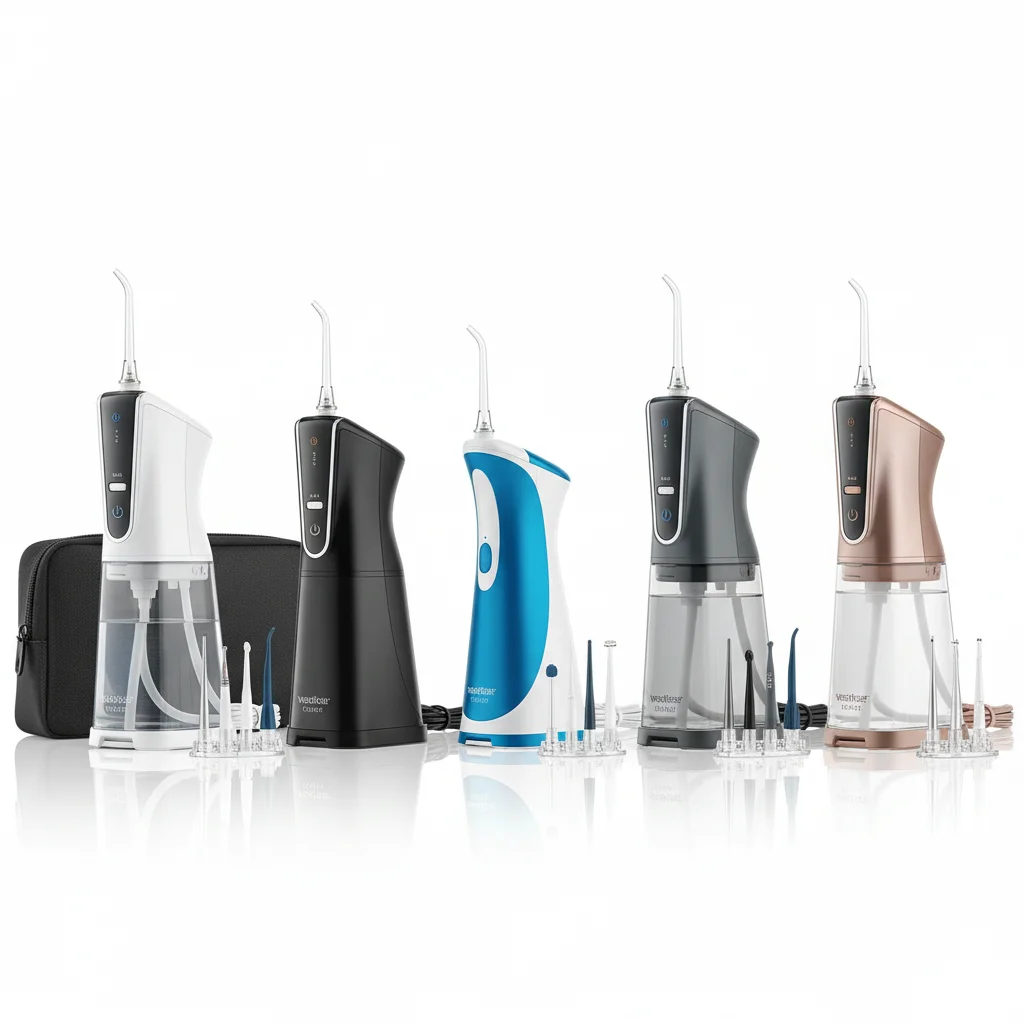
A water flosser is a crucial tool for managing periodontal disease, a serious inflammatory condition affecting the tissues supporting your teeth. It effectively reaches beneath the gumline and into periodontal pockets, flushing out debris and bacteria that traditional brushing and string flossing often miss. This deep cleaning action significantly reduces inflammation and can halt the progression of gum disease, making it an indispensable part of a comprehensive oral hygiene routine.
Understanding Periodontal Disease: Why a Water Flosser is a Major Upgrade
Periodontal disease, also known as gum disease or periodontitis, is a serious inflammatory condition affecting the tissues supporting your teeth. It starts with gingivitis, characterized by red, swollen, and easily bleeding gums, typically caused by plaque—a sticky film of bacteria—accumulating on tooth surfaces. If left unchecked, this plaque hardens into tartar, and the infection progresses, causing your gums to pull away from your teeth, forming “periodontal pockets.” These pockets become breeding grounds for more bacteria, leading to the destruction of the underlying bone and connective tissue that hold your teeth in place, eventually resulting in tooth loosening and loss. For compare top oral hygiene on this site.
The challenge with advanced periodontal disease lies in cleaning these deep pockets. Traditional toothbrushes and dental floss struggle to effectively remove plaque and bacteria from these hard-to-reach areas. This is precisely where a water flosser revolutionizes oral care. By delivering a pulsating stream of water, it reaches beneath the gumline and into these pockets, flushing out debris and bacteria that conventional methods miss. This deep cleaning action significantly reduces inflammation, removes harmful pathogens, and can halt the progression of gum disease, making it an indispensable tool in your oral hygiene arsenal.
How Water Flossers Combat Gum Disease
Water flossers, also known as oral irrigators, utilize a specialized pump to deliver a pressurized, pulsating stream of water. This innovative mechanism is incredibly effective in disrupting and removing plaque biofilm, food particles, and bacteria that accumulate on teeth, along the gumline, and deep within periodontal pockets. The pulsating action creates a hydrodynamic force that can reach areas inaccessible to traditional floss.
Research highlights the remarkable efficacy of water flossers. Studies have shown that these devices can effectively penetrate up to 90% of periodontal pockets with depths of 6 millimeters or less, significantly reducing disease-causing bacteria without harming delicate gum tissues. Even in deeper pockets measuring 7 millimeters or more, water flossers have demonstrated the ability to reach up to 68% of the pocket depth. This superior reach is critical for individuals battling periodontal disease, as it helps to disrupt the bacterial colonies and reduce the inflammation that drives the condition. The constant flushing action not only removes physical debris but also induces a beneficial change in the subgingival plaque, promoting a healthier oral environment.
> “Water flossers are excellent tools for managing periodontal disease. Their ability to thoroughly clean beneath the gumline and within pockets makes them a powerful adjunct to traditional brushing, significantly improving gum health.” – Dr. Elena Petrova, Periodontist
Types of Water Flossers for Comprehensive Oral Care
Understanding the different types of water flossers available can help you select the best device for your specific periodontal needs. Generally, water flossers fall into two main categories: countertop and cordless/portable models.
Countertop Water Flossers
These models are typically larger, plug into an electrical outlet, and feature a substantial water reservoir and multiple pressure settings.
- Advantages:
- Higher Pressure Settings: Often offer a wider range of pressure, from very gentle to powerful, accommodating various sensitivities and cleaning needs.
- Larger Water Capacity: Bigger reservoirs mean longer cleaning sessions without the need for frequent refills, which is convenient for thorough cleaning.
- Multiple Tips: Usually come with a variety of specialized tips, including those designed for periodontal pockets, orthodontics, and implants.
- Disadvantages:
- Less Portable: Their size and reliance on an outlet make them less suitable for travel.
- Can Be Louder: The motor can be noisier compared to cordless models.
- Ideal For: Individuals seeking maximum power and customization for daily home use, especially those with advanced periodontal disease, braces, or multiple dental restorations.
Cordless/Portable Water Flossers
Designed for convenience and travel, these compact devices are battery-operated and have smaller reservoirs.
- Advantages:
- Portability: Easy to carry for travel or use in smaller bathrooms without an available outlet.
- Quieter Operation: Generally produce less noise than countertop models.
- Ergonomic Design: Often feature a comfortable, waterproof design for use in the shower.
- Disadvantages:
- Smaller Water Capacity: Requires more frequent refills during a single cleaning session.
- Fewer Pressure Settings: May offer fewer pressure options, potentially limiting customization.
- Less Powerful: Some models might have a less intense stream compared to high-end countertop units.
- Ideal For: Travelers, those with limited counter space, or individuals new to water flossing who prefer a gentler introduction.
Choosing the Right Water Flosser for Periodontal Health
Selecting the optimal water flosser is key to effectively managing periodontal disease. Consider these factors to make an informed decision:
Key Factors to Consider:
- Water Pressure Settings: For individuals with periodontal disease, gums may be sensitive. Look for a model with adjustable pressure settings, allowing you to start gentle and gradually increase intensity as your gums adapt and heal. Lower settings are crucial for inflamed or tender gums.
- Tip Variety: Specialized tips are vital. A “Pik Pocket” tip, with its soft rubber nozzle, is specifically designed for gentle, low-pressure delivery of water or therapeutic rinses deep into periodontal pockets. Other tips might include those for general cleaning, orthodontics, or dental implants.
- Reservoir Capacity: A larger tank on a countertop model allows for uninterrupted cleaning of your entire mouth, which is beneficial for a thorough periodontal regimen. Portable models will require refills.
- Ease of Use and Ergonomics: The device should be comfortable to hold and easy to maneuver, especially when targeting specific areas like gum pockets. Easy-to-fill and clean reservoirs are also important for maintaining hygiene.
- Brand Reputation and Reliability: Choose reputable brands known for dental health products. The American Dental Association (ADA) Seal of Acceptance indicates that a product has been tested for safety and effectiveness, providing an extra layer of trust.
Top Water Flossers for Periodontal Disease:
Several models stand out for their features and effectiveness in supporting periodontal health:
- Waterpik Aquarius Water Flosser (WP-660): Often recommended by dental professionals, the Aquarius is an ADA-accepted countertop model. It offers 10 pressure settings, a generous 22-ounce reservoir, and comes with seven tips, including the specialized Pik Pocket tip ideal for periodontal care. Its pulsing “massage” mode is also beneficial for gum stimulation.
- Philips Sonicare Power Flosser 3000: This countertop option is notably quieter than many competitors, making it a good choice for shared living spaces. It features 10 pressure settings and a Quad Stream tip designed for broader coverage, effective for general plaque removal and gum health.
- Waterpik Cordless Advanced 2.0 Water Flosser: For those prioritizing portability, this cordless model offers three pressure settings, a travel case, and an ergonomic, waterproof design that allows for in-shower use, simplifying the cleaning process.
These models offer a blend of effectiveness, user-friendliness, and features specifically beneficial for individuals managing periodontal disease.
Step-by-Step Guide: Using Your Water Flosser Correctly
Effective use of a water flosser is paramount for managing periodontal disease and maximizing its benefits. Follow these steps for a thorough and safe cleaning routine:
- Preparation: Fill the water reservoir with lukewarm water. You can add an antimicrobial mouth rinse recommended by your dentist if instructed.
- Choose the Right Tip: For general cleaning, use a classic jet tip. If you have periodontal pockets, use a specialized Pik Pocket tip designed for subgingival irrigation.
- Set the Pressure: Always start with the lowest pressure setting, especially if you have sensitive or inflamed gums. Gradually increase the pressure as your gums become accustomed to the sensation. If you experience discomfort or bleeding, reduce the pressure.
- Positioning: Lean over the sink to avoid splashing. Place the tip in your mouth before turning the unit on.
- Technique for General Cleaning: Direct the water stream at a 90-degree angle to your teeth, just above the gumline. Trace along the gumline, pausing briefly between each tooth to allow the water to clean the interdental space. Work your way around all tooth surfaces, both outer and inner.
- Technique for Periodontal Pockets (with Pik Pocket Tip): With the water flosser OFF, place the soft Pik Pocket tip against the tooth at a 45-degree angle. Gently slide the soft tip under the gumline, into the pocket, as far as it will comfortably go. Turn on the power to irrigate the pocket with the lowest pressure. Clean each affected area carefully.
- Completion: Once you’ve cleaned all areas, turn off the water flosser before removing the tip from your mouth. Empty any remaining water from the reservoir and allow it to air dry.
Important Considerations:
- Consult Your Dentist: Always discuss water flossing with your dentist or periodontist, especially if you have advanced gum disease, deep pockets, or have recently undergone oral surgery. They can provide personalized instructions and recommend specific therapeutic rinses.
- Consistency is Key: Use your water flosser daily, preferably after brushing, to maintain consistent plaque removal and gum health.
Water Flossers vs. Traditional Flossing for Periodontal Disease
The debate between water flossing and traditional string flossing is ongoing, but for individuals with periodontal disease, water flossers offer distinct advantages.
Effectiveness Comparison:
While traditional string floss effectively scrapes plaque from tooth surfaces and below the gumline when used correctly, it can be challenging to manipulate, especially in the presence of inflamed gums, braces, or dental implants. Water flossers, with their pulsating water stream, excel at reaching these difficult areas and flushing out loose debris and bacteria. Numerous clinical studies indicate that water flossers can be significantly more effective than traditional flossing in reducing gum bleeding and inflammation (gingivitis). Some research suggests a 51% greater reduction in gingivitis with water flosser use compared to string floss. They are also superior in reducing periodontal pathogens.
Limitations and Synergies:
Traditional floss is highly effective for direct plaque removal through its scraping action, particularly in tightly spaced teeth. However, its efficacy is highly technique-dependent. Water flossers, on the other hand, are often easier to use and gentler on sensitive or bleeding gums, promoting better patient compliance.
For optimal oral hygiene, especially in the context of periodontal disease, many dental professionals recommend incorporating both methods. A water flosser effectively cleans the wider interdental spaces and flushes pockets, while traditional floss can meticulously clean the contact points between teeth. Using a water flosser as an adjunct to brushing and string flossing provides a comprehensive approach to plaque control and gum health.
Maintaining Your Water Flosser for Longevity
Proper cleaning and maintenance of your water flosser are crucial to ensure its longevity and hygienic operation. After each use, empty any remaining water from the reservoir and allow it to air dry to prevent bacterial buildup. Periodically, clean the reservoir and internal components by running a solution of vinegar and warm water through the unit. This helps remove mineral deposits and keeps the system clear. Regularly inspect tips for wear and tear, replacing them every three to six months, or sooner if needed, to maintain optimal performance and prevent the spread of bacteria.
Conclusion
Managing periodontal disease requires a diligent and effective oral hygiene routine, and the water flosser stands out as a powerful ally. Its ability to penetrate deep into periodontal pockets, reduce inflammation, and remove harmful bacteria makes it an indispensable tool for anyone battling gum disease. By choosing the right model, using it correctly, and maintaining it diligently, you can significantly improve your gum health and protect your smile. A water flosser is not a cure, but a vital component of a comprehensive approach to managing periodontal disease, working best when combined with regular brushing, traditional flossing, and professional dental care.
Are you ready to take control of your gum health and experience the transformative power of a water flosser?
Frequently Asked Questions
Can a water flosser cure periodontal disease?
|
Our Picks for the Best Water Flosser in 2026
As an Amazon Associate I earn from qualifying purchases.
|
||
| Num | Product | Action |
|---|---|---|
| 1 | Bitvae Water Dental Flosser for Teeth, Cordless Water Teeth Cleaner Picks, 3 Modes 5 Intensities, IPX7 Waterproof, Rechargeable Water Dental Picks for Cleaning - Black |

|
| 2 | Electric Toothbrush with Water Flosser, Upgrade Flossing Toothbrush Combo with 3 Brush + 1 Nozzle, 5 Floss Speeds&3 Brush Modes, 500mL Tank, 30-Day Battery, for Adults & Teens, Gums, Braces-White |
|
| 3 | Waterpik Aquarius Water Flosser For Teeth Cleaning, Gums, Braces, Dental Care, Electric Power With 10 Settings, 7 Tips For Multiple Users And Needs, ADA Accepted, Black WP-662, Packaging May Vary |
|
| 4 | COSLUS Water Dental Flosser Pick for Teeth: 4 Modes Cordless Portable 300ML Larger Tank Water Teeth Cleaner IPX7 Waterproof Flossing Cleaning Picks for Home Travel Black C30(FC5360) |
|
| 5 | Cordless Water Flosser for Teeth, U-Shaped Flossing 360° Deep Clean, 5 Modes 7 Jet Tips for Adult & Child, Portable Rechargeable Dental Flosser Pick for Braces, Travel, 350ML Large Tank |
|
| 6 | Waterpik Cordless Pulse Rechargeable Portable Water Flosser for Teeth, Gums, Braces Care and Travel with 2 Flossing Tips, Waterproof for Shower, ADA Accepted, WF-20 White, Packaging and Tips May Vary |
|
| 7 | Onlyone Rechargeable Cordless Water Flosser with Adjustable Water Pressure for Daily Oral Care, Power Dental Flosser for Home and Travel Use, Portable Oral Irrigator for Sensitive Gums and Braces Care |
|
| 8 | COSLUS Water Dental Flosser Teeth Pick: Portable Cordless Oral Irrigator 300ML Rechargeable Travel Irrigation Cleaner IPX7 Waterproof Electric Flossing Machine for Teeth Cleaning C20(F5020E) |
|
| 9 | Electric Toothbrush with Water Flosser Combo, Professional Flossing Toothbrush with 3 Sonic Brush Modes & 5 Water Pressures, Cordless Water Flosser for Adults Teeth Cleaning Plaque Removal |
|
| 10 | Waterpik Aquarius Water Flosser For Teeth Cleaning, Gums, Braces, Dental Care, Electric Power With 10 Settings, 7 Tips For Multiple Users And Needs, ADA Accepted, White WP-660, Packaging May Vary |
|
No, a water flosser cannot cure periodontal disease as it is a chronic condition. However, it is an extremely effective tool for managing the disease, significantly reducing plaque, inflammation, and bacterial load in periodontal pockets, thus preventing further progression and improving gum health.
Is a water flosser safe for sensitive gums or deep pockets?
Yes, water flossers are generally safe for sensitive gums and can be highly effective for deep pockets. It is recommended to start with the lowest pressure setting and use a specialized Pik Pocket tip for gentle irrigation of deep pockets. Always consult your dentist for personalized advice.
How often should I use a water flosser if I have periodontal disease?
For individuals with periodontal disease, daily use of a water flosser, ideally after brushing, is highly recommended. Consistent use is key to effectively remove plaque and bacteria, reduce inflammation, and maintain optimal gum health.
Can a water flosser replace traditional string flossing?
While water flossers are highly effective, especially for specific conditions like braces or deep pockets, many dental professionals recommend using them as an adjunct to traditional string flossing. Traditional floss offers a scraping action that can clean tightly spaced areas, while water flossers excel at flushing and reaching broader or more sensitive areas.
What liquid should I put in my water flosser for gum disease?
Primarily, use lukewarm water. However, your dental professional may recommend adding a prescribed antimicrobial mouth rinse to the water reservoir for enhanced therapeutic benefits, especially if you are actively treating periodontal disease. Never use undiluted essential oils or harsh chemicals.
Frequently Asked Questions
Can a water flosser cure periodontal disease?
No, a water flosser cannot cure periodontal disease as it is a chronic condition. However, it is an extremely effective tool for managing the disease, significantly reducing plaque, inflammation, and bacterial load in periodontal pockets, thus preventing further progression and improving gum health.
Is a water flosser safe for sensitive gums or deep pockets?
Yes, water flossers are generally safe for sensitive gums and can be highly effective for deep pockets. It is recommended to start with the lowest pressure setting and use a specialized Pik Pocket tip for gentle irrigation of deep pockets. Always consult your dentist for personalized advice.
How often should I use a water flosser if I have periodontal disease?
For individuals with periodontal disease, daily use of a water flosser, ideally after brushing, is highly recommended. Consistent use is key to effectively remove plaque and bacteria, reduce inflammation, and maintain optimal gum health.
Can a water flosser replace traditional string flossing?
While water flossers are highly effective, especially for specific conditions like braces or deep pockets, many dental professionals recommend using them as an adjunct to traditional string flossing. Traditional floss offers a scraping action that can clean tightly spaced areas, while water flossers excel at flushing and reaching broader or more sensitive areas.
What liquid should I put in my water flosser for gum disease?
Primarily, use lukewarm water. However, your dental professional may recommend adding a prescribed antimicrobial mouth rinse to the water reservoir for enhanced therapeutic benefits, especially if you are actively treating periodontal disease. Never use undiluted essential oils or harsh chemicals.
Using Your Water Flosser Correctly for Periodontal Disease
Follow these steps for a thorough and safe cleaning routine with your water flosser to effectively manage periodontal disease and maximize its benefits.
Fill the water reservoir with lukewarm water. You can add an antimicrobial mouth rinse if your dentist has recommended it for enhanced therapeutic benefits.
Select the appropriate tip; use a specialized Pik Pocket tip for periodontal pockets. Always start with the lowest pressure setting, especially if your gums are sensitive or inflamed, and gradually increase it as your gums adapt.
Lean over the sink and place the tip in your mouth before turning the unit on. Direct the water stream at a 90-degree angle to your teeth, just above the gumline, tracing along and pausing briefly between each tooth.
With the flosser OFF, place the soft Pik Pocket tip against the tooth at a 45-degree angle and gently slide it under the gumline into the pocket. Turn on the power to irrigate the pocket with the lowest pressure, carefully cleaning each affected area.
Once all areas are cleaned, turn off the water flosser before removing the tip. Empty any remaining water from the reservoir and allow it to air dry to prevent bacterial buildup. Consult your dentist for personalized instructions and consistent daily use.
Get our weekly buyer guide
Practical specs, not advice. Unsubscribe anytime.

I’ve been using a water flosser for a few weeks now to help with my gingivitis. It definitely helps with the inflammation and my gums don’t bleed as much. My only complaint is that the unit I got, the Philips Sonicare Power Flosser, is a bit noisy. It’s effective, but I have to use it when no one else is sleeping.
I’ve struggled with periodontal disease for years, and my dentist kept recommending a water flosser. Finally bit the bullet and got one of the models mentioned, the Waterpik Aquarius. It’s been a game-changer! My gums feel so much cleaner, and the bleeding has significantly reduced. I can actually feel it getting into those pockets.
I was skeptical about how much difference a water flosser could make, but after reading about its ability to flush out bacteria below the gumline, I decided to try it. I picked up a budget-friendly option, the H2Ofloss. It works really well for the price, though I do wish the water reservoir was a bit larger. Still, my mouth feels much fresher.
This tool is truly indispensable for anyone dealing with gum disease. I appreciate how it reaches areas that string floss just can’t. My hygienist has even noticed an improvement in my gum health since I started using it. It’s made my comprehensive oral hygiene routine so much more effective.