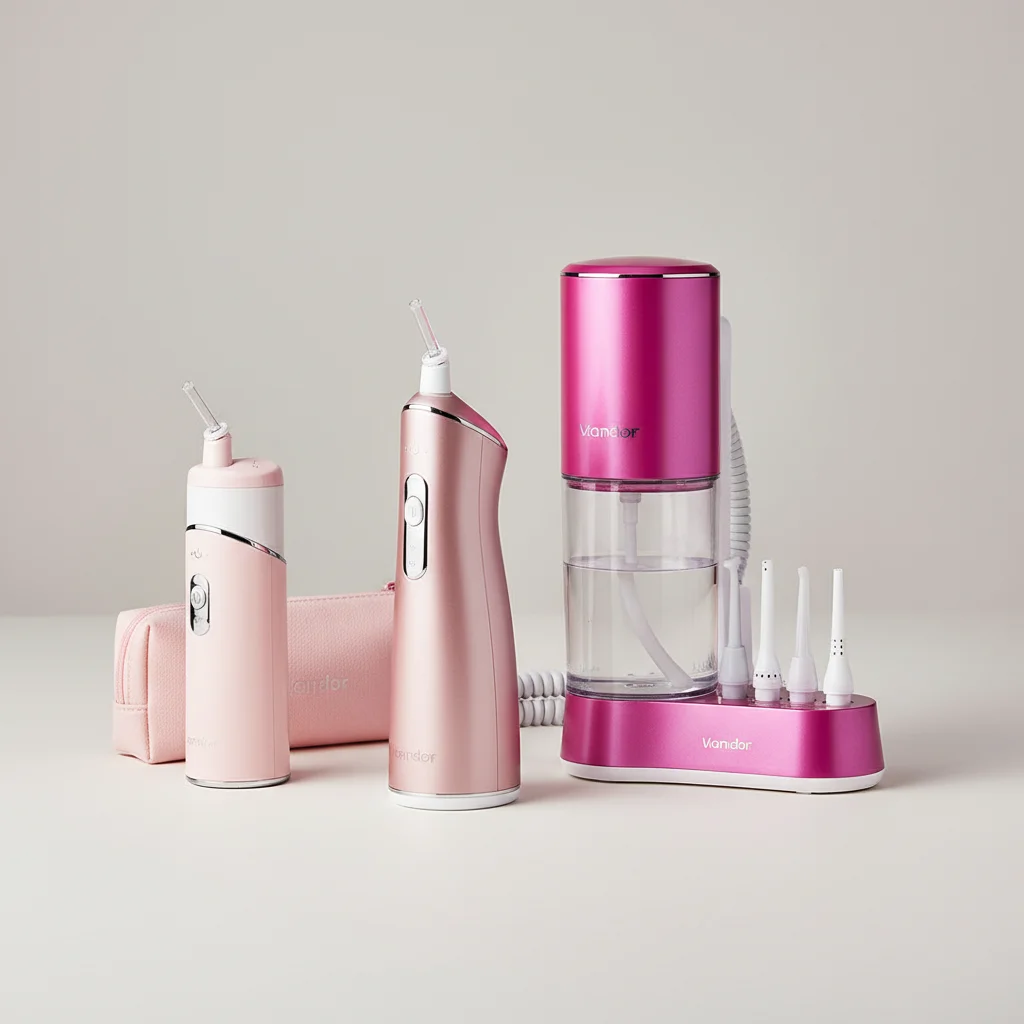
Pink water flossers offer the same powerful cleaning benefits as other models, using a pulsating stream of water to remove food particles, plaque, and bacteria from between teeth and along the gumline. These devices are clinically proven to reduce plaque and gingivitis more effectively than traditional string floss, making them ideal for enhancing daily oral hygiene. For those who appreciate a touch of personal flair, pink models provide an aesthetic appeal without compromising performance.
This guide explores the mechanisms, benefits, and types of water flossers, including how to choose the perfect one for your needs, with a special focus on charming and effective pink models.
What is a Water Flosser? Why You Need One
A water flosser, also known as an oral irrigator or dental water jet, uses a pulsating stream of water to remove food particles, plaque, and bacteria from between your teeth and along the gumline. This powerful yet gentle stream reaches areas that even the most meticulous brushing and traditional string flossing might miss, providing a deeper, more thorough clean.
The mechanism is simple yet highly effective: a pump creates pressurized water, which is then directed through a specialized tip into your mouth. The pulsations dislodge debris and stimulate gum tissue, promoting circulation.
The Benefits are Clear:
- Superior Plaque Removal: Studies indicate that water flossers can significantly reduce whole-mouth plaque and interdental plaque, often surpassing the effectiveness of manual brushing combined with traditional dental floss. This deep cleaning helps prevent cavities and gum disease.
- Improved Gum Health: Regular use of a water flosser is clinically proven to reduce gingivitis and promote healthier gums. The gentle massage action of the water stream can also soothe sensitive gums.
- Ideal for Specific Dental Needs: Water flossers are particularly advantageous for individuals with orthodontic appliances like braces, as well as those with bridges, crowns, implants, or other dental work where traditional flossing can be challenging or ineffective.
- Combats Bad Breath: By removing bacteria and food particles that cause foul odors, water flossers can help reduce oral malodor, contributing to fresher breath.
- Ease of Use: Many find water flossers easier to use than string floss, especially those with limited dexterity due to conditions like arthritis. This makes consistent daily oral hygiene more achievable for a wider range of users, including children and older adults.
Many reputable brands also carry the American Dental Association (ADA) Seal of Acceptance, signifying their safety and effectiveness in removing plaque and reducing gingivitis.
Popular Types of Water Flossers
Water flossers come in various designs, each offering distinct advantages. Understanding the differences will help you choose the best fit for your lifestyle and oral care needs.
Cordless (Portable) Water Flossers
|
Our Picks for the Best Water Flosser in 2026
As an Amazon Associate I earn from qualifying purchases.
|
||
| Num | Product | Action |
|---|---|---|
| 1 | Onlyone Rechargeable Cordless Water Flosser with Adjustable Water Pressure for Daily Oral Care, Power Dental Flosser for Home and Travel Use, Portable Oral Irrigator for Sensitive Gums and Braces Care |

|
| 2 | Bitvae Water Dental Flosser for Teeth, Cordless Water Teeth Cleaner Picks, 3 Modes 5 Intensities, IPX7 Waterproof, Rechargeable Water Dental Picks for Cleaning - Black |
|
| 3 | Waterpik Aquarius Water Flosser For Teeth Cleaning, Gums, Braces, Dental Care, Electric Power With 10 Settings, 7 Tips For Multiple Users And Needs, ADA Accepted, Black WP-662, Packaging May Vary |
|
| 4 | COSLUS Water Dental Flosser Teeth Pick: Portable Cordless Oral Irrigator 300ML Rechargeable Travel Irrigation Cleaner IPX7 Waterproof Electric Flossing Machine for Teeth Cleaning C20(F5020E) |
|
| 5 | COSLUS Water Dental Flosser Pick for Teeth: 4 Modes Cordless Portable 300ML Larger Tank Water Teeth Cleaner IPX7 Waterproof Flossing Cleaning Picks for Home Travel Black C30(FC5360) |
|
| 6 | Electric Toothbrush with Water Flosser Combo, Professional Flossing Toothbrush with 3 Sonic Brush Modes & 5 Water Pressures, Cordless Water Flosser for Adults Teeth Cleaning Plaque Removal |
|
| 7 | Waterpik Cordless Pulse Rechargeable Portable Water Flosser for Teeth, Gums, Braces Care and Travel with 2 Flossing Tips, Waterproof for Shower, ADA Accepted, WF-20 White, Packaging and Tips May Vary |
|
| 8 | Electric Toothbrush with Water Flosser, Upgrade Flossing Toothbrush Combo with 3 Brush + 1 Nozzle, 5 Floss Speeds&3 Brush Modes, 500mL Tank, 30-Day Battery, for Adults & Teens, Gums, Braces-White |
|
| 9 | Waterpik Aquarius Water Flosser For Teeth Cleaning, Gums, Braces, Dental Care, Electric Power With 10 Settings, 7 Tips For Multiple Users And Needs, ADA Accepted, White WP-660, Packaging May Vary |
|
| 10 | Cordless Water Flosser for Teeth, U-Shaped Flossing 360° Deep Clean, 5 Modes 7 Jet Tips for Adult & Child, Portable Rechargeable Dental Flosser Pick for Braces, Travel, 350ML Large Tank |
|
Cordless models are compact, battery-operated, and designed for convenience and portability.
- Advantages:
- Travel-Friendly: Their small size and often USB-rechargeable batteries make them perfect for trips and smaller bathrooms.
- Ease of Handling: Lighter and more maneuverable, they offer greater flexibility during use, and many are waterproof for shower use.
- Entry-Level Friendly: Often simpler to operate with fewer settings, making them ideal for new users.
- Disadvantages:
- Smaller Water Reservoirs: Requires more frequent refilling during a single flossing session.
- Less Powerful: May have fewer pressure settings and less overall power compared to countertop models.
- Battery Life: Needs regular recharging.
Ideal for: Travelers, individuals with limited bathroom counter space, those new to water flossing, and people who prefer a handheld device.
Countertop (Desktop) Water Flossers
These models are larger, typically plug into an outlet, and feature a base unit with a hose-connected handle and a large water reservoir.
- Advantages:
- Larger Water Capacity: Significantly larger reservoirs mean less frequent refilling, allowing for a complete and uninterrupted flossing session.
- More Powerful and Versatile: Generally offer a wider range of pressure settings, from gentle to very strong, and more specialized tips.
- Consistent Power: Plug-in operation ensures consistent water pressure without worrying about battery drain.
- Disadvantages:
- Less Portable: Not designed for travel and require more counter space.
- Can Be Noisier: Often louder during operation compared to cordless models.
- Requires an Outlet: Needs to be near an electrical outlet.
Ideal for: Families (multiple tips can be stored and used with one unit), individuals seeking maximum power and customization, and those with ample bathroom counter space.
Choosing the Right Water Flosser (Pink or Otherwise)
Selecting the ideal water flosser involves evaluating various factors to ensure it meets your specific oral health requirements and preferences. Whether you’re drawn to a sleek pink design or prioritizing advanced features, these considerations are key.
Detailed Comparison of Key Features
Here’s a general overview of features to consider when comparing water flossers, including popular options that come in pink:
| Feature | Cordless / Portable (e.g., Waterpik Cordless Revive Pink, Piksters CRUSH Pink, Oralfree Pink, MySmile LP211 Pink) | Countertop (e.g., Waterpik Ultra, often available in various colors) |
|---|---|---|
| Water Pressure | Typically 30-75 PSI, 2-5 settings (often lower for portability) | 10-100+ PSI, 5-10+ settings (more robust control) |
| Reservoir Capacity | 150-300 ml (requires refilling during a single use) | 600-1000+ ml (sufficient for one full session) |
| Nozzles/Tips | 2-5 tips, usually standard jet, orthodontic | 4-7+ tips, including standard, orthodontic, plaque, periodontal, tongue cleaner |
| Portability | Highly portable, compact, lightweight, often USB-C rechargeable | Low portability, larger footprint, plug-in |
| Special Features | Waterproof (shower-safe), travel bag, 360° rotation | Massage mode, timer, advanced pressure control, often quieter |
| Price Range | $$ – $$$ (e.g., $30 – $80) | $$$ – $$$$ (e.g., $60 – $150+) |
Key Factors to Consider:
- Adjustable Water Pressure: Look for a model with multiple pressure settings. Beginners should start with a gentle setting and gradually increase it as their gums adapt to avoid discomfort or damage.
- Reservoir Volume: Consider how much water the tank holds. Larger tanks on countertop models reduce the need for refilling mid-floss, while smaller tanks on cordless models contribute to portability.
- Tip Variety: Different tips serve different purposes. A standard jet tip is great for general cleaning, while specialized tips are available for braces (orthodontic tip), implants, periodontal pockets, or tongue cleaning. Ensure the model you choose comes with the tips you need, or that additional tips are easily available.
- Portability vs. Power: If you travel frequently or have limited space, a cordless model might be best. If consistent, high-powered cleaning at home is your priority, a countertop unit is often superior.
- Modes and Features: Beyond basic cleaning, some water flossers offer features like gum massage modes, timed flossing, and specialized cleaning patterns (e.g., quad stream technology for broader coverage). Consider waterproof designs if you prefer to use your flosser in the shower.
- Brand Reputation and ADA Seal: Opt for reputable brands known for quality and durability. Look for the ADA Seal of Acceptance, which indicates that the product has been evaluated for safety and effectiveness.
- Budget: Water flossers are available at various price points. Determine a realistic budget and prioritize features that are most important to you.
Top Water Flossers With a Hint of Pink Appeal
While “pink” is primarily an aesthetic choice, several excellent water flossers offer this vibrant color along with stellar performance. Here are a few notable options and general categories to look for:
- Waterpik Cordless Revive Water Flosser (Blush Pink): Waterpik is a highly respected name in oral irrigators. The Cordless Revive offers portability with effective plaque removal. Users praise its powerful high setting, compact size, and travel-friendliness. It typically comes with multiple tips and pressure settings, making it a solid choice for daily use and travel.
- Piksters CRUSH Pink Water Flosser: This model stands out with its eye-catching design and practical features like 5 different 360° rotatable nozzles, including a tongue cleaner and an orthodontic nozzle, making it suitable for braces. Its waterproof design allows for shower use, and it comes with a carry bag for convenience.
- Oralfree/COSLUS Pink Cordless Water Flossers: Brands like Oralfree and COSLUS offer rechargeable portable water flossers in pink, often featuring multiple modes (e.g., 4 modes), 300ml tanks, and IPX7 waterproofing. These can be budget-friendly alternatives with good functionality for plaque removal and gum health.
When considering a specific pink model, always check the current reviews for features like battery life, water pressure consistency, and durability to ensure it aligns with your expectations.
How to Use Your Water Flosser Correctly
Using a water flosser effectively is key to maximizing its benefits. Follow these steps for an optimal cleaning experience:
- Fill the Reservoir: Fill the water reservoir with lukewarm water. You can also add a dentist-recommended mouthwash if desired, but avoid sugary mouthwashes as they can promote mold growth.
- Select Your Tip: Attach the appropriate tip for your needs (e.g., a classic jet tip for general cleaning, an orthodontic tip for braces).
- Adjust Pressure: If you’re a first-time user, start with the lowest pressure setting. Gradually increase the pressure over time to find a comfortable yet effective level.
- Lean Over the Sink: Lean over a sink to allow the water to drain from your mouth. This prevents mess.
- Place the Tip: Place the tip in your mouth, aiming it at the gumline at a 90-degree angle. Start with your back teeth and work your way forward.
- Turn On and Glide: Turn on the water flosser. Guide the tip along your gumline, pausing briefly between each tooth to allow the water to clean the interdental space. Don’t rush; ensure you clean both the front and back surfaces of your teeth.
- Address All Areas: Remember to floss both the inside and outside surfaces of your teeth, as well as along the gumline. For braces, aim the tip around brackets and wires to dislodge trapped food.
- Empty and Dry: Once finished, turn off the device, empty any remaining water from the reservoir, and briefly run the flosser with an empty tank to clear water from the tubing.
Important Notes:
- Frequency: Use your water flosser at least once daily, ideally after brushing, to remove any loosened debris.
- Gentle Approach: Avoid directing the water jet too forcefully into one area, as this can irritate your gums. The goal is a gentle yet thorough rinse.
- Consult Your Dentist: If you have specific dental conditions, consult your dentist or dental hygienist for personalized advice on technique and frequency.
Where to Buy Water Flossers? Price Considerations
Water flossers are widely available, both online and in physical stores, making it easy to find a model that fits your budget and preferences, including popular pink options.
Purchasing Channels:
- Online Retailers: Websites like Amazon, Walmart.com, Target.com, BestBuy.com, and the official brand websites (e.g., Waterpik, Piksters, Oralfree) offer a vast selection, competitive pricing, and customer reviews.
- Drugstores and Supermarkets: Major pharmacy chains and supermarkets often carry a selection of water flossers, particularly popular cordless and countertop models.
- Dental Supply Stores: For professional-grade or specialized models, dental supply stores might be an option, though these are less common for direct consumer purchase.
Price Range Overview:
- Budget-Friendly Water Flossers ($20 – $50): These often include basic cordless models from lesser-known brands or entry-level options from established ones. They typically offer essential functionality with fewer advanced features. You can find pink options in this range from brands like COSLUS or MySmile.
- Mid-Range Water Flossers ($50 – $100): This category includes many popular cordless and some basic countertop models from well-known brands. They offer a good balance of features, performance, and durability. Waterpik Cordless Revive in Blush Pink often falls into this range.
- Premium Water Flossers ($100+): These are typically high-end countertop units with extensive pressure settings, a wide array of specialized tips, advanced features like UV sanitizers, and superior build quality. While pink options are less common in the very high-end segment, some premium cordless models may come in stylish colors.
Tips for Saving Money:
- Look for Sales: Keep an eye out for seasonal sales, holiday discounts, and promotional bundles.
- Compare Prices: Always compare prices across different retailers before making a purchase.
- Read Reviews: Ensure that a lower-priced model still offers reliable performance and durability.
Cleaning and Maintaining Your Water Flosser
Regular cleaning and proper maintenance are crucial for extending the lifespan of your water flosser and ensuring it continues to provide effective, hygienic oral care. Neglecting this can lead to mineral buildup, reduced performance, and even bacterial growth.
Daily Cleaning:
- Empty and Rinse Reservoir: After each use, empty any leftover water from the reservoir. Rinse it thoroughly with clean water and allow it to air-dry completely by leaving it open.
- Flush the System: Run the water flosser for a few seconds with an empty reservoir to clear any remaining water from the internal tubing and hose. This prevents stagnant water and mold growth.
- Clean the Tip: Remove the flosser tip and rinse it under running water to wash away any debris. Allow it to air-dry before storing.
Deeper Cleaning and Descaling (Weekly/Bi-weekly):
To remove mineral deposits (limescale) and thoroughly disinfect, perform a deeper cleaning:
- Prepare a Solution: Mix two parts warm water with one part white vinegar or hydrogen peroxide.
- Clean the Reservoir: Pour the solution into the reservoir and let it sit for a few minutes (e.g., 5 minutes for tips, up to 30 minutes for the internal system).
- Clean Internal Parts: Run approximately half of the solution through the water flosser into the sink. This cleans the internal components.
- Soak Tips: Place your detachable flosser tips into the remaining solution in the reservoir (or a separate cup) and let them soak for about 5 minutes.
- Rinse Thoroughly: Empty the cleaning solution, then fill the reservoir with clean, warm water and run it through the flosser until it’s empty to flush out any remaining solution. Rinse the tips under warm water until completely clean.
Important Maintenance Tips:
- Replace Tips: Flosser tips wear out and can become clogged. Replace them every three to six months for optimal effectiveness.
- Avoid Sugary Mouthwash: While some mouthwashes can be used, avoid those containing sugar, as sugar residue can promote mold and bacterial growth within your device.
- Store Properly: Store your water flosser in a clean, dry, and well-ventilated area.
Buying Guide: Tailoring Your Choice
Navigating the array of water flossers can be daunting, but by focusing on your budget and personal needs, you can confidently select the perfect device.
Budget Considerations:
- Entry-Level (Budget-Friendly): If you’re new to water flossing or on a tight budget, options in the $20-$50 range offer basic yet effective cleaning. These are typically cordless models perfect for getting started without a significant investment.
- Mid-Range (Best Value): For around $50-$100, you’ll find a strong balance of features, power, and durability. This segment includes many reputable cordless water flossers and some reliable countertop models, often with more pressure settings and tip options.
- High-End (Premium Features): Investing $100+ usually gets you a top-tier countertop model with extensive customization, advanced technologies (e.g., UV sanitization, smart features), and superior build quality designed for longevity and family use.
Personal Needs:
- For New Users: Start with a cordless model that has adjustable, gentle pressure settings. Its ease of use and portability make it a great introduction to water flossing.
- For Those with Braces or Orthodontics: Prioritize models that include orthodontic tips, which are specifically designed to clean around wires and brackets. The powerful, targeted stream is far more effective than string floss for these complex areas.
- For Sensitive Gums: Look for water flossers with multiple pressure settings, emphasizing very gentle options. Starting low and gradually increasing pressure is crucial to avoid irritation. Many models also feature a “massage” mode for gum stimulation.
- For Frequent Travelers: A compact, lightweight, and USB-rechargeable cordless water flosser is essential. Look for models that come with a travel bag and are waterproof for added convenience.
- For Families: A countertop model with a large reservoir and a variety of tips is often the best choice, allowing multiple users to benefit from one powerful device.
“Water flossers don’t just clean; they empower you to take control of your oral health, making advanced dental care accessible and enjoyable for everyone.” – ReviewGeh.com Admin, Oral Care Specialist
Conclusion
Embracing a water flosser, whether a chic pink model or a classic design, is a significant step towards achieving comprehensive oral hygiene and a dazzling smile. Beyond the aesthetic appeal, these devices offer scientifically-backed benefits, proving more effective than traditional methods in removing plaque, reducing gingivitis, and reaching intricate areas of your mouth. With various types, features, and price points, there’s a perfect water flosser out there for every need and lifestyle.
By understanding the key differences between cordless and countertop models, prioritizing features like adjustable pressure and tip variety, and committing to a consistent cleaning and maintenance routine, you can unlock a new level of oral health. So why wait? Take the plunge and discover the transformative power of water flossing. Your healthy, radiant smile will thank you.
What’s the one feature you wish your current water flosser had to make your oral care routine even better?
Frequently Asked Questions
Frequently Asked Questions
What is the primary difference between a water flosser and string floss?
A water flosser uses a pulsating stream of water to clean between teeth and below the gumline, while string floss physically scrapes surfaces. Water flossers are often more effective at dislodging debris and reducing gingivitis, especially for those with braces or dexterity issues, offering a deeper clean.
Can I use mouthwash in my water flosser?
Yes, you can add a dentist-recommended, non-sugary mouthwash to your water flosser's reservoir. Always ensure it's sugar-free to prevent mold growth, and dilute it with water if recommended by the manufacturer to maintain device integrity.
How often should I use a water flosser for optimal oral health?
For optimal oral health, use your water flosser at least once daily, preferably after brushing. Consistent use maximizes plaque removal and gum health benefits, contributing to a healthier mouth.
Are water flossers safe for people with braces or dental implants?
Absolutely. Water flossers are highly recommended for individuals with braces, implants, crowns, or bridges because they can effectively clean around these dental appliances where traditional string floss struggles to reach, preventing plaque buildup and gum issues.
How do I clean my water flosser to prevent mold and mineral buildup?
Regularly empty and rinse the reservoir after each use. Weekly, perform a deeper clean by running a solution of two parts water to one part white vinegar or hydrogen peroxide through the system and soaking the tips. Remember to replace tips every 3-6 months for optimal hygiene.
Is a cordless or countertop water flosser better for daily use?
The 'better' option depends on your lifestyle. Cordless models are portable and convenient for travel or small bathrooms, typically costing $30-$80. Countertop models, priced from $60-$150+, offer larger reservoirs, more powerful pressure settings, and a wider range of tips for home and family use.
How to Use Your Water Flosser Correctly
Follow these steps for an optimal cleaning experience with your water flosser, ensuring maximum benefits for your oral health.
Fill the water reservoir with lukewarm water; you can add dentist-recommended, non-sugary mouthwash. Attach the appropriate tip for your needs, such as a classic jet tip for general cleaning or an orthodontic tip for braces.
Start with the lowest pressure setting if you're a first-time user, gradually increasing it. Lean over a sink to allow water to drain, then place the tip in your mouth, aiming it at the gumline at a 90-degree angle.
Turn on the water flosser and guide the tip along your gumline, pausing briefly between each tooth to clean the interdental space. Ensure you clean both the front and back surfaces of your teeth, and around any braces or dental work.
Once finished, turn off the device and empty any remaining water from the reservoir. Briefly run the flosser with an empty tank to clear water from the internal tubing, preventing stagnant water and mold growth.
Get our weekly buyer guide
Practical specs, not advice. Unsubscribe anytime.

I got one of the more compact pink water flossers because I travel a lot. It’s convenient for sure, but I find the pressure isn’t quite as strong as I’d hoped, even on the highest setting. It’s better than nothing, but I still feel like I need to use string floss occasionally for a really deep clean. Maybe a larger model would have been better.
I’ve always hated string flossing, so I was really excited to try a water flosser. The pink model I got is super cute and actually makes me look forward to my nightly routine. It does an amazing job getting all the gunk out from between my teeth, and my gums feel so much healthier. Definitely a game-changer for my oral hygiene!
I picked up one of the mid-range pink water flossers mentioned, and it’s been pretty good. The pulsating stream really does feel like it’s cleaning better than regular floss. My only minor complaint is that the water reservoir could be a little bigger, I have to refill it once during my routine. Otherwise, it’s a solid product.
As someone who’s always looking for ways to improve my smile, I was intrigued by the idea of a water flosser. The clinical proof about reducing plaque and gingivitis really sold me. I chose a pink model for the aesthetic appeal, and it works wonderfully. My mouth feels incredibly fresh and clean after every use.